
Showing posts with label World Heritage Sites. Show all posts
Showing posts with label World Heritage Sites. Show all posts
Saturday, November 21, 2020
Tunnel Plan Near Stonehenge Gets UK Government Consent
LONDON (AP) — The British government went against the recommendations of planning officials Thursday, approving controversial plans for a road tunnel to be built near the prehistoric monument of Stonehenge in southern England.
The project, which is aimed at trying to ease traffic along a stretch of road widely prone to gridlock, has been touted for decades but has faced vociferous opposition from local residents as well as archaeologists.
The A303 highway, which is a popular route for motorists traveling to and from the southwest of England, is often severely congested around the single-lane section of road near Stonehenge. As part of widespread improvements, a two-mile tunnel will be built that will effectively remove the sight and sound of traffic passing the site, and cut journey times.
 The decision by Transport Secretary Grant Shapps goes against the recommendation of the Planning Inspectorate, which warned of “permanent” and “irreversible” harm arising from the project, unseen in the site’s history.
However, according to the Department for Transport, Shapps was said to be “satisfied that on balance the need case for the development together with the other benefits identified outweigh any harm.”
Proponents of the upgrade, which Highways England has estimated will cost 1.7 billion pounds ($2.2 billion), say it will dramatically ease congestion and eventually help the local environment. The agency expects the fieldwork to start in late spring next year, with the main five-year construction phase expected to start by 2023.
“This transformational scheme will return the Stonehenge landscape towards its original setting and will improve journey times for everyone who travels to and from the southwest,” the agency’s chief executive, Jim O’Sullivan said.
Opponents of the scheme, who have a six-week window to appeal to Britain’s High Court, have for years voiced worries about the potential damage to the environment, wildlife and potential archaeological finds underground.
The Stonehenge Alliance, which has campaigned against the tunnel, said it “deeply regrets” a decision that will be greeted with “shock” around the world.
The group added that the plan will breach the U.K.’s international treaty obligations “not to damage” the World Heritage Site.
Historian, author and broadcaster Tom Holland, who is president of the Stonehenge Alliance, said the group will oppose the “shameful” decision as vigorously as possible.
“The decision to inject a great gash of tarmac and concrete into Britain’s most precious prehistoric landscape is one that ranks simultaneously as spendthrift and sacrilegious,” he said.
Hopes that the project wouldn’t win approval were raised in June when it emerged that a team of archaeologists had discovered a ring of at least 20 large shafts within the site, a short distance from the standing stones.
The decision by Transport Secretary Grant Shapps goes against the recommendation of the Planning Inspectorate, which warned of “permanent” and “irreversible” harm arising from the project, unseen in the site’s history.
However, according to the Department for Transport, Shapps was said to be “satisfied that on balance the need case for the development together with the other benefits identified outweigh any harm.”
Proponents of the upgrade, which Highways England has estimated will cost 1.7 billion pounds ($2.2 billion), say it will dramatically ease congestion and eventually help the local environment. The agency expects the fieldwork to start in late spring next year, with the main five-year construction phase expected to start by 2023.
“This transformational scheme will return the Stonehenge landscape towards its original setting and will improve journey times for everyone who travels to and from the southwest,” the agency’s chief executive, Jim O’Sullivan said.
Opponents of the scheme, who have a six-week window to appeal to Britain’s High Court, have for years voiced worries about the potential damage to the environment, wildlife and potential archaeological finds underground.
The Stonehenge Alliance, which has campaigned against the tunnel, said it “deeply regrets” a decision that will be greeted with “shock” around the world.
The group added that the plan will breach the U.K.’s international treaty obligations “not to damage” the World Heritage Site.
Historian, author and broadcaster Tom Holland, who is president of the Stonehenge Alliance, said the group will oppose the “shameful” decision as vigorously as possible.
“The decision to inject a great gash of tarmac and concrete into Britain’s most precious prehistoric landscape is one that ranks simultaneously as spendthrift and sacrilegious,” he said.
Hopes that the project wouldn’t win approval were raised in June when it emerged that a team of archaeologists had discovered a ring of at least 20 large shafts within the site, a short distance from the standing stones.

Monday, December 12, 2016
15 Stunning World Heritage Sites To Check Off Your Travel Bucket List

No travel bucket list would be complete without a World Heritage Site or two. They're rife with photo ops, yes, but the beautiful landscapes aren't the only draw. To make the cut, a location must hold some cultural, historical or scientific significance as determined by the United Nations. In turn, the sites' timeless appeal is protected.
And while you may be familiar with Heritage Sites like the Grand Canyon, here are a few lesser-known locales — from a list of 1,052 — that you'll want to plan a visit to stat.
From: ELLE Decor
Danxia Landform: Zhangye, China

Danxia landscapes are steep cliffs of red rock and they can be found in six areas around the country. Zhangye Danxia is known as the nation's most beautiful, though, with its uniquely shaped, multicolored rock face.
Wadi El-Hitan: Western Desert of Egypt
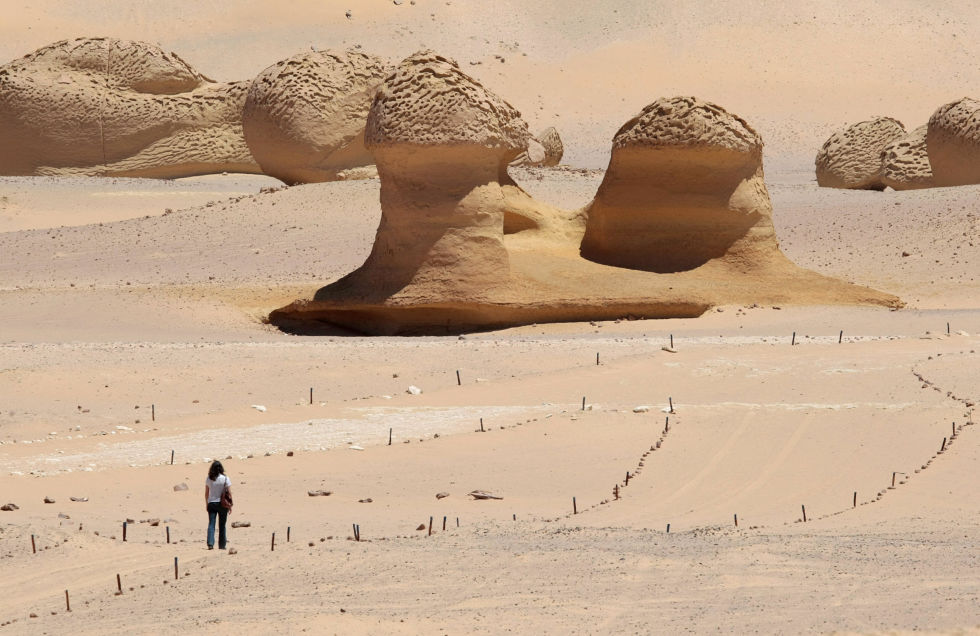
Wadi El-Hitan, or Whale Valley, is located in the Western Desert of Egypt and was designated a World Heritage Site because it features impressive numbers of fossils of an early whale speciescalled Archaeoceti. These fossils are considered evidence that whales evolved from a land species to the ocean mammal we know today.
Ellora Caves: Maharashtra, India

Ellora features more than 100 rock-cut caves, 34 of which you can visit today, that date back to 600 to 1000 A.D. and served as Buddhist, Hindu and Jainist temples and monasteries.
Cocos Island: Costa Rica
As the only island in the eastern Pacific with a dense tropical rainforest, the climate and ecology of Cocos Island is particularly unique. Plus, with plenty of sharks, rays, tuna and dolphins swimming around, Cocos Island is a diver's paradise.
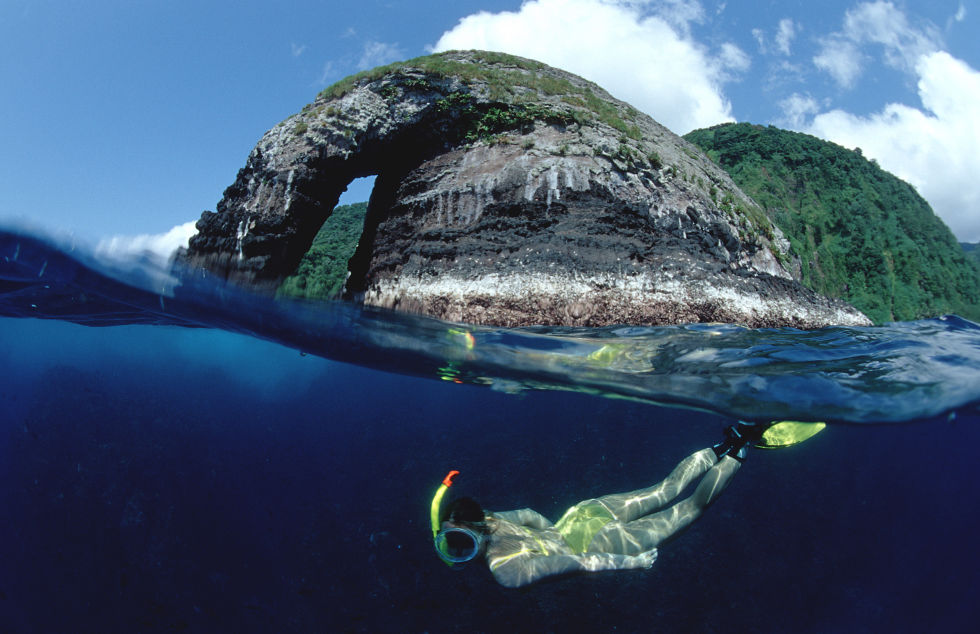
As the only island in the eastern Pacific with a dense tropical rainforest, the climate and ecology of Cocos Island is particularly unique. Plus, with plenty of sharks, rays, tuna and dolphins swimming around, Cocos Island is a diver's paradise.
Studenica Monastery: Kraljevo, Serbia
This 12th-century monastery features two white marble monuments called the "Church of the Virgin" and the "Church of the King," and holds 13th- and 14th-century Byzantine-style fresco paintings.

This 12th-century monastery features two white marble monuments called the "Church of the Virgin" and the "Church of the King," and holds 13th- and 14th-century Byzantine-style fresco paintings.
Svetitskhoveli Cathedral: Mtskheta, Georgia
Svetitskhoveli Cathedral is the second largest church in the nation and one of its most honored. It features impressive 11th-century architecture and is also believed to be where Christ's robe is buried.

Svetitskhoveli Cathedral is the second largest church in the nation and one of its most honored. It features impressive 11th-century architecture and is also believed to be where Christ's robe is buried.
Butrint: Vlorë, Albania
Butrint is an impressive archeological site located on the southwest coast of Albania, where an ancient city dating back to 800 B.C. once stood. The city was eventually abandoned during the Middle Ages after it flooded, but excavations began in 1994, so you can visit the ruins of the Greek, Roman, Byzantine and Venetian civilizations that lived there over hundreds of years.

Butrint is an impressive archeological site located on the southwest coast of Albania, where an ancient city dating back to 800 B.C. once stood. The city was eventually abandoned during the Middle Ages after it flooded, but excavations began in 1994, so you can visit the ruins of the Greek, Roman, Byzantine and Venetian civilizations that lived there over hundreds of years.
St Kilda: Outer Hebrides, Scotland
Scotland's first UNESCO World Heritage Site is located off-shore from the Outer Hebrides (a chain of islands off the nation's west coast) and features unbelievable underwater caves and arches, making it a favorite spot for UK divers. The site is a natural wonder, with some of Europe's most dramatic cliffs and large numbers of rare birds like puffins.

Scotland's first UNESCO World Heritage Site is located off-shore from the Outer Hebrides (a chain of islands off the nation's west coast) and features unbelievable underwater caves and arches, making it a favorite spot for UK divers. The site is a natural wonder, with some of Europe's most dramatic cliffs and large numbers of rare birds like puffins.
Maya Devi Temple: Lumbini, Nepal
Lumbini was designated a world heritage site in 1997 because it is believed to be where Buddha was born in 623 B.C. Due to its religious significance, it's an important pilgrimage site for Buddhists, and features many monuments, monasteries and temples like the Maya Devi.

Lumbini was designated a world heritage site in 1997 because it is believed to be where Buddha was born in 623 B.C. Due to its religious significance, it's an important pilgrimage site for Buddhists, and features many monuments, monasteries and temples like the Maya Devi.
Portuguese City Of Mazagan: El Jadida, Morocco
Mazagan was built and settled by the Portuguese in the 16th century and then taken over by the Moroccans in the 18th century. The influences of both of the two dissimilar cultures are evident in the design of the structures you'll see in the city today.
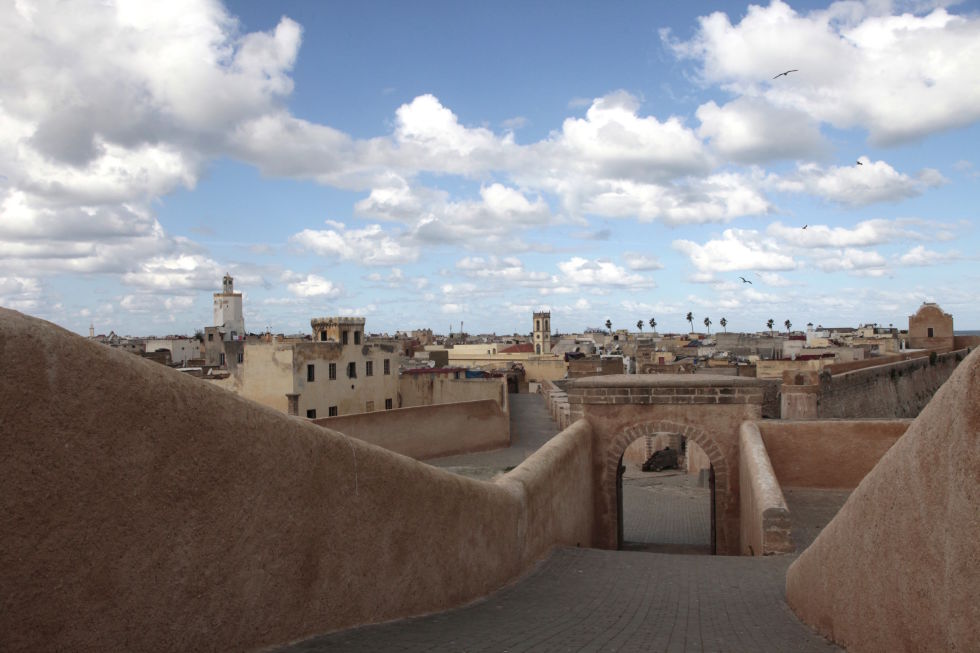
Mazagan was built and settled by the Portuguese in the 16th century and then taken over by the Moroccans in the 18th century. The influences of both of the two dissimilar cultures are evident in the design of the structures you'll see in the city today.
Tabbataha Reef Marine Park: Philippines
Tabbataha Reef spans 502 milesand features an incomparable 328-foot tall wall of coral. It also contains vast varieties of marine animals, including fish, dolphins, sea turtles and more. The reef is part of the Coral Triangle (an area that encompasses the waters surrounding Indonesia, Malaysia, Papua New Guinea, the Philippines, the Solomon Islands and Timor-Leste), which is currently threatened by overfishing and climate change, meaning its diverse marine population is at risk.

Tabbataha Reef spans 502 milesand features an incomparable 328-foot tall wall of coral. It also contains vast varieties of marine animals, including fish, dolphins, sea turtles and more. The reef is part of the Coral Triangle (an area that encompasses the waters surrounding Indonesia, Malaysia, Papua New Guinea, the Philippines, the Solomon Islands and Timor-Leste), which is currently threatened by overfishing and climate change, meaning its diverse marine population is at risk.
Preach Vihear Temple: Preach Vihear, Cambodia
This 9th-century Hindu temple features awe-inspiring ancient architecture atop a cliff in the Dângrêk Mountains. The site just became safer for tourists in 2015, after a seven-year dispute between Cambodia and Thailand over who owned the land came to an end.

This 9th-century Hindu temple features awe-inspiring ancient architecture atop a cliff in the Dângrêk Mountains. The site just became safer for tourists in 2015, after a seven-year dispute between Cambodia and Thailand over who owned the land came to an end.
Gebel Barkal and the Sites of the Napatan Region: Meroe, Sudan

The Gebel Barkal is a 324-foot flat-topped mountain that has been sacred since it was deemed holy by Egyptians in 1500 B.C., and its still holy to Muslims who continue to visit it today. Here you'll also find sacred tombs, pyramids, temples and palaces that date as far back as 900 B.C., and span over a 37-mile stretch on the bank of the Nile.
Białowieża Forest: Belarus and Poland

Białowieża Forest contains nearly 548 miles of centuries-old wilderness that's been completely undisturbed by humans. The forest also holds a mystical landscape of meadows and river valleys, and is home to large populations of wolves, lynxes and otters.
Shibam: Central Yemen

Shibam was built in the 16th century and is surrounded by a massive protective wall. It's known as "the Manhattan of the desert" because of its tall high-rise mud brick buildings and grid layout.
From www.HarpersBazaar.Com
Subscribe to:
Posts (Atom)