Set in the hilly northeast of Alentejo region of Portugal, Castelo de Vide is a historic town rich in monuments, offering a glimpse into Portugal’s Jewish heritage. Among its many historical treasures, the large Jewish quarter (Judiaria) and medieval synagogue stand as a rare testament to a once thriving Jewish community that played a central role in the town’s development for centuries. This community not only contributed to the town's social and economic life but also left behind a rich legacy that visitors can still explore today.
Nestled in the stunning landscape of the Serra de São Mamede, the picturesque town of Castelo de Vide is a treasure trove of history, culture, and architectural beauty. Dominated by its iconic castle, the town’s whitewashed houses and narrow, winding streets invite visitors to step back in time and explore its many layers of heritage.
A TOWN OF WALLS AND MONUMENTS
Castelo de Vide boasts a remarkable collection of historical monuments, including 24 churches that reflect the town’s spiritual and architectural richness. Among them is the Capela do Salvador do Mundo, one of the oldest chapels in the region, dating back to the late 13th century. Its interior is adorned with exquisite blue-and-white azulejos, showcasing Portugal’s distinctive ceramic art. Another notable church is the Capela de São Roque, originally built in the 15th century and later rebuilt in the 18th century, blending Gothic and Baroque elements. And, true to its name, the town has a large castle, and mostly in track town walls.
A FLOURISHING JEWISH COMMUNITY
During the Middle Ages, Castelo de Vide was home to a significant Jewish population that grew even larger after 1492, when the Edict of Expulsion forced Spanish Jews to seek refuge in neighboring Portugal. The Jewish community was an integral part of the town's economy and culture, engaging in commerce, crafts, and skilled trades that supported the burgeoning wool industry—a cornerstone of Castelo de Vide's economy.
Jewish artisans were known for their expertise in weaving, dyeing, and producing high-quality woolen goods. Their skills not only supplied local markets but also contributed to the export trade, making Castelo de Vide a hub of activity in the region. Many Jews also worked as merchants, facilitating trade between Castelo de Vide and neighboring towns. Others served as doctors, bringing medical knowledge and care to the community, and enhancing the town’s reputation as a place of learning and innovation.
THE JUDIARIA: A WINDOW INTO JEWISH HERITAGE
Jews have a long and significant history in Portugal, dating back to Roman times. By the Middle Ages, Jewish communities were thriving across the country. Portuguese kings, including D Dinis and D. João II, often protected Jewish populations for their valuable contributions to the economy and society.
However, this era of prosperity took a dark turn in 1497, when King D. Manuel I, under pressure to align with Spain, issued the Edict of Expulsion. This decree forced Jews to convert to Christianity or leave the country. Many chose conversion, becoming "New Christians," but they often faced suspicion and persecution, particularly during the Portuguese Inquisition, which began in 1536. Secretly practicing Jews, known as "crypto-Jews," risked severe punishment if discovered.
Despite this history of hardship, the resilience of Portuguese Jews is evident. Today, Jewish heritage sites, including synagogues and Jewish quarters in towns like Castelo de Vide stand as a testament to their enduring legacy.
On the northern slope of Castelo de Vide, between the castle and the town fountain, lies the Judiaria (Jewish Quarter), one of the most significant examples of Jewish history in Portugal. Its narrow, steep streets—Rua da Judiaria, Rua da Fonte, and Ruinha da Judiaria—were once a vibrant hub of activity. This area dates back to the reign of King Dinis in the 13th century and remains one of the best-preserved Jewish quarters in the country. Here, Jewish residents lived, worked, and practiced their faith, contributing to the town's economic vitality and cultural richness.
Visitors to the Judiaria today can see clues to this thriving past, such as doorposts with marks where mezuzahs—small parchment scrolls inscribed with sacred texts—once symbolized the residents' faith. The names of these streets still evoke the memory of the Jewish community that once called this area home.
Efforts to restore and revitalize the area have highlighted its historical importance, ensuring that its unique charm and cultural significance endure. Visitors can explore the medieval synagogue and other historical structures that tell the story of a once-thriving Jewish community, making Castelo de Vide a must-visit destination for those interested in Jewish history.
THE MEDIEVAL SYNAGOGUE: BEIT HA-MIDRASH SEFARDIM
At the heart of Castelo de Vide’s Jewish quarter is the medieval synagogue, known as Beit Ha-Midrash Sefardim, located at Rua da Judiaria and Rua da Fonte. This simple yet profoundly meaningful structure served as the center of religious and communal life for centuries.
The former synagogue reflects Sephardic traditions and features a tabernacle with holes for lamps filled with sacred oil, a support for the Holy Scriptures adorned with seven spheres symbolizing the six days of creation and the day of rest, and Gothic-style doors with intricate designs.
The medieval synagogue was restored in 1972 to reflect its original design, and recently completely renovated into a museum of Jewish life 500 years ago.
THE DARK CHAPTER OF THE INQUISITION
The prosperity of Castelo de Vide’s Jewish community came to a tragic end with the establishment of the Portuguese Inquisition in the 16th century. Many Jews were forced to convert to Christianity, becoming "New Christians,” while others faced persecution, imprisonment, and death.
The new Casa da Inquisição museum, set in the historic Casa do Morgado, offers a window into this dark period. Using augmented reality, visitors can immerse themselves in the history of the Inquisition, following the stages of inquisitorial processes and learning about the fate of individuals like Guiomar Mendes, a New Christian from Castelo de Vide who was arrested by the Lisbon Inquisition in 1662.The house itself belonged to a Jewish family which continue to secretly practice Judaism - with a hidden worship area and a false chapel to fool the neighbors.
A LEGACY OF RESILIENCE AND CONTRIBUTION
Castelo de Vide’s Jewish community left an indelible mark on the town’s identity. Through their roles as artisans, merchants, doctors, and religious leaders, they contributed to the town’s growth and prosperity. Walking through the former Judiaria, exploring the synagogue, and visiting the Casa da Inquisição offers a powerful journey into the struggles and strength of the once thriving community.
By Jayme Simoes
Showing posts with label Portugal travel tips. Show all posts
Monday, January 13, 2025
Monday, December 2, 2024
Thinking About Dual Citizenship Right Now? These Countries Make It Easy
Citizenship comes with perks, and these five countries have programs that facilitate dual citizenship for U.S. citizens.
Eager to spread your residency wings? Consider acquiring dual citizenship in a country that encourages it.Photo by GeoJango Maps/Unsplash
Many Americans dream of a life abroad. Making that dream a reality can be difficult, though.
Nearly all countries have rules that limit who can live and work within their borders. People who hold an additional passport have the freedom to live, work, and study abroad without wrangling special visas or being forced to leave if something goes sideways. Getting a second passport isn’t always easy. But it is possible, and an immigration attorney from the relevant country is always a well-advised resource.
I was born in the United States to American parents but successfully obtained two additional passports, in Poland and in Portugal. Those seeking dual citizenship often navigate complex administrative requirements, gather mountains of documents, and pay thousands of dollars in fees. There may also be other hurdles, such as undergoing a rigorous background check. The process can be lengthy, too. Yet, having gone through the process twice, I think it’s worth the time and expense. Because my Polish citizenship is automatically passed down to my children, they now have the option to live, work, or study abroad and can pass Polish citizenship down to their children.
Some countries make it nearly impossible to obtain dual citizenship, or they prohibit it outright. Others impose lengthy residency or language requirements that can be hard to satisfy. Still, some countries have clear paths to getting a second passport through investment or descent. These are a few of those countries.
Portugal
Acquiring a Portuguese passport through the country’s Golden Visa program is a welcome choice for Americans. The program was born to bring money into the country, and it has been an arguable success: Portugal’s mild climate, gorgeous cities full of history, and fantastic beaches make it an attractive place to live.
Americans can obtain Portuguese citizenship for themselves and their families by investing as little as €250,000 to preserve national heritage in Portugal or by investing €500,000 in a research or development opportunity in Portugal. Once the required five-year investment period is up, applicants can liquidate their investments while they wait for their citizenship to be finalized.
This is one of the lowest-cost ways to gain citizenship in the European Union. Golden Visa applicants choose to move to Portugal right away or live in the United States, as long as they visit Portugal for approximately one week a year for five years. Bonus: If you have your heart set on living in a different European country, a Portuguese passport can help you achieve that goal. Because Portugal is part of the European Union, Portuguese citizens can live and work in any of the EU’s 27 member states.
Grenada
In the heart of the West Indies, Grenada is an attractive choice for Americans looking to live a laid-back Caribbean lifestyle. The chain of islands is known for its beautiful beaches and lush rainforest. Plus, Grenada’s official language is English. A family of four can obtain citizenship, usually in under a year, by making a onetime $235,000 contribution to the government of Grenada. Alternatively, a family can qualify for citizenship by investing at least $270,000 in a real-estate project approved by the government. After five years of ownership, investors are free to liquidate their investments. Grenada doesn’t have a residency requirement while a citizenship application is pending in the country, so it’s possible to complete the entire application from the United States.
Ireland and Italy
These are two beautiful countries with great food and drink. Both countries grant citizenship through descent to some great-grandchildren of Irish and Italian immigrants. About 10 percent of Americans have Irish heritage. About another 5 percent have Italian ancestry. And those people might be eligible for citizenship in one of these countries if they have proof of their lineage. Because Ireland and Italy are both part of the EU, citizens of either Ireland or Italy have the right to live and work in any EU country, making these passports very valuable. Other countries that provide citizenship through descent include Poland, Germany, India, Spain, Mexico, and France.
Egypt
Egypt is the only country in Africa that offers citizenship through investment. The country is full of culture and history and is ideally situated to explore Africa, Europe, and the Middle East. Egypt also offers multiple routes to citizenship. Some options include making a nonrefundable contribution of $250,000 to the state treasury; investing $300,000 in real estate in a government-owned project and maintaining the investment for at least five years; or transferring $500,000 to a bank in Egypt and keeping the funds there for at least three years.
By Jamie Davis Smith
Jamie Davis Smith is a writer, attorney, and mother of four. Her writing has appeared in Fodor’s Travel, Travel + Leisure, USA Today, Yahoo, Business Insider, The Huffington Post, Scary Mommy, and many other publications.
Eager to spread your residency wings? Consider acquiring dual citizenship in a country that encourages it.Photo by GeoJango Maps/Unsplash
Many Americans dream of a life abroad. Making that dream a reality can be difficult, though.
Nearly all countries have rules that limit who can live and work within their borders. People who hold an additional passport have the freedom to live, work, and study abroad without wrangling special visas or being forced to leave if something goes sideways. Getting a second passport isn’t always easy. But it is possible, and an immigration attorney from the relevant country is always a well-advised resource.
I was born in the United States to American parents but successfully obtained two additional passports, in Poland and in Portugal. Those seeking dual citizenship often navigate complex administrative requirements, gather mountains of documents, and pay thousands of dollars in fees. There may also be other hurdles, such as undergoing a rigorous background check. The process can be lengthy, too. Yet, having gone through the process twice, I think it’s worth the time and expense. Because my Polish citizenship is automatically passed down to my children, they now have the option to live, work, or study abroad and can pass Polish citizenship down to their children.
Some countries make it nearly impossible to obtain dual citizenship, or they prohibit it outright. Others impose lengthy residency or language requirements that can be hard to satisfy. Still, some countries have clear paths to getting a second passport through investment or descent. These are a few of those countries.
Portugal
Acquiring a Portuguese passport through the country’s Golden Visa program is a welcome choice for Americans. The program was born to bring money into the country, and it has been an arguable success: Portugal’s mild climate, gorgeous cities full of history, and fantastic beaches make it an attractive place to live.
Americans can obtain Portuguese citizenship for themselves and their families by investing as little as €250,000 to preserve national heritage in Portugal or by investing €500,000 in a research or development opportunity in Portugal. Once the required five-year investment period is up, applicants can liquidate their investments while they wait for their citizenship to be finalized.
This is one of the lowest-cost ways to gain citizenship in the European Union. Golden Visa applicants choose to move to Portugal right away or live in the United States, as long as they visit Portugal for approximately one week a year for five years. Bonus: If you have your heart set on living in a different European country, a Portuguese passport can help you achieve that goal. Because Portugal is part of the European Union, Portuguese citizens can live and work in any of the EU’s 27 member states.
Grenada
In the heart of the West Indies, Grenada is an attractive choice for Americans looking to live a laid-back Caribbean lifestyle. The chain of islands is known for its beautiful beaches and lush rainforest. Plus, Grenada’s official language is English. A family of four can obtain citizenship, usually in under a year, by making a onetime $235,000 contribution to the government of Grenada. Alternatively, a family can qualify for citizenship by investing at least $270,000 in a real-estate project approved by the government. After five years of ownership, investors are free to liquidate their investments. Grenada doesn’t have a residency requirement while a citizenship application is pending in the country, so it’s possible to complete the entire application from the United States.
Ireland and Italy
These are two beautiful countries with great food and drink. Both countries grant citizenship through descent to some great-grandchildren of Irish and Italian immigrants. About 10 percent of Americans have Irish heritage. About another 5 percent have Italian ancestry. And those people might be eligible for citizenship in one of these countries if they have proof of their lineage. Because Ireland and Italy are both part of the EU, citizens of either Ireland or Italy have the right to live and work in any EU country, making these passports very valuable. Other countries that provide citizenship through descent include Poland, Germany, India, Spain, Mexico, and France.
Egypt
Egypt is the only country in Africa that offers citizenship through investment. The country is full of culture and history and is ideally situated to explore Africa, Europe, and the Middle East. Egypt also offers multiple routes to citizenship. Some options include making a nonrefundable contribution of $250,000 to the state treasury; investing $300,000 in real estate in a government-owned project and maintaining the investment for at least five years; or transferring $500,000 to a bank in Egypt and keeping the funds there for at least three years.
By Jamie Davis Smith
Jamie Davis Smith is a writer, attorney, and mother of four. Her writing has appeared in Fodor’s Travel, Travel + Leisure, USA Today, Yahoo, Business Insider, The Huffington Post, Scary Mommy, and many other publications.
Friday, August 2, 2019
Portugal: What’s New And What’s Next For 2019-2020

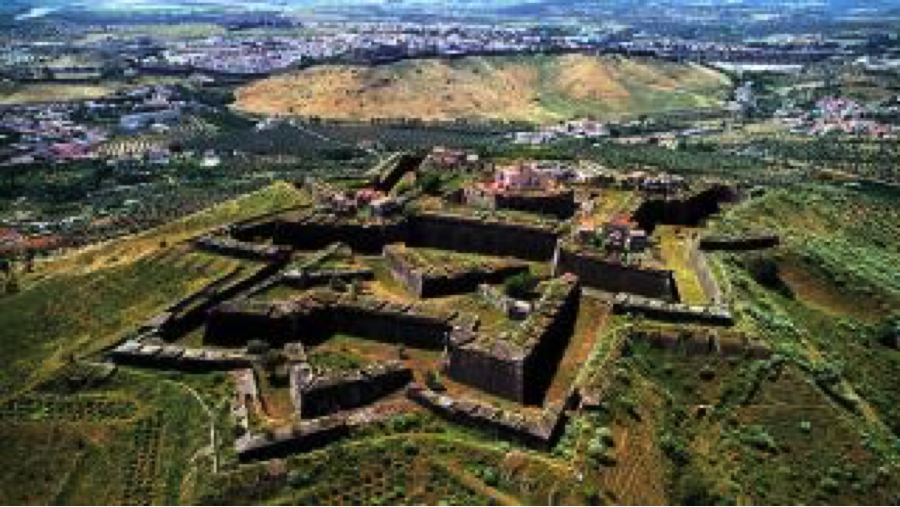
Aerial view of the fortifications of Elvas | Photo: Turismo de Portugal
What’s new?
New Historic Hotel opens in Elvas under Revive Program
Vila Galé Collection Elvas is the newest 4-star historic hotel to open in Elvas, the former frontier fortress-city on the Alentejo-Spanish border, with 79 rooms, two restaurants, bar, spa and indoor pool, and many event rooms. Set in the former Convento de São Paulo in the historic center, the 1721 building, vacant since 2004, is the first hotel to open in Portugal under the Revive Program. This is a Government-sponsored initiative that seeks to rehabilitate public historic buildings and boost tourism in culturally significant locations.
New four-star hotel opens in Alqueva Lake
Across from the Great Alqueva Lake, set in the Alentejo countryside, is the new Herdade dos Delgados – Dark Sky View Hotel & SPA, featuring 24 bedrooms and 3 apartment suites. The new property set on Europe’s largest artificial lake is a prime location to stargaze by night and enjoy nautical activities by day. The hotel’s infrastructure also includes a locally sourced restaurant, terrace bar, pool and spa and sports facility.
Museum Dedicated to Filigree to open in Porto this October
The House of Filigree is set to open in downtown Porto this October to promote and honor the manufacturing of filigree, a traditional Portuguese art that uses thin gold threads to create intricate jewelry and ornaments. The new House of Filigree will have a filigree exhibition and showcase the manufacturing process, as well as a boutique selling exclusive designs.
Chef Ljubomir Stanisic opens new restaurant at Furnas Lake Forest Living Hotel in Sao Miguel, Azores
Liquen by Ljubomir Stanisic is a culinary tribute to the Azores’ beautiful green landscapes and ocean surroundings and the chef’s first haute cuisine project in the archipelago, featuring a décor inspired by these natural elements and a menu that uses local ingredients. The restaurant is part of the Furnas Lake Forest Living hotel on São Miguel, located in one of the island’s most iconic areas, Furnas – meaning hot springs in Portuguese - which had a major influence on Azorean cuisine.
Two new hotels are set to open next year in Funchal on Madeira Island
Turim Santa Maria Hotel and Caju Design Hotel are two new properties opening on Madeira in 2020. Both hotels are located in the center of Funchal, close to the local farmer’s market Mercado dos Lavradores (Farmers' Market), several museums and the oceanfront. Turim Santa Maria Hotel is housed in a classic hotel from the 1960s that has been redone to offer 100 rooms and sophisticated touches. With 26 rooms, Caju Design Hotel is set in one of city’s top shopping streets, in the same building of the island’s first supermarket. The old façade has been kept to preserve the architecture style in downtown Funchal.
Did you know?
Off the beaten path museums in Portugal
For such a small nation, Portugal has a considerable wealth of museums showcasing diverse aspects of both history and society. From eclectic art collections, to transportation and communications, to music and sport, there is a Portuguese museum for every taste. While many are concentrated in the capital, there are severalsmaller and off the beaten path museums scattered across the country, where you will find interesting collections and no lines to get in.
Possibly one of the quirkiest museums in Portugal is Museu dos Fósforos (Match Museum), located in the Templar city of Tomar, holding Europe’s largest collection of matchboxes with more than 43 thousand items from 127 countries. The museum is located inside the former Convent of São Francisco, a monumental mannerist Church dating back to the 17th century.
An underrated day-trip would be to discover the art of Portuguese tapestry at the Carpet Weaving Museum in Portalegre, a hilltop city in the Alentejo region. This museum preserves the work of Guy Fino, founder of the Manufactura de Tapeçarias de Portalegre (Portalegre Carpet Manufacturing), displaying woven reproductions of modern Portuguese paintings by Almada Negreiros and other national artists, as well as colorful temporary exhibitions.
Not far from Portalegre, there is another unusual museum dedicated to soap. Museu do Sabão is located in castle town of Belver, where the production of soap had a very significant role for the local economy. The archive shows the instruments and molds used to craft, store and transport soap. There are also contemporary art pieces made from soap.
And across the river from Lisbon, in Palmela – known for its ancient fortified castle, is the Museu da Música Mecânica, shaped like a giant music box and dedicated tomechanical music instruments like phonographs or gramophones. The museum displays a private collection of more than 600 artifacts dating from the period between the late 1800s and the 1930s, paying homage to both romantic and mechanical music.
In Ponte de Lima, the oldest village in Portugal, you can find Museu do Brinquedo Português with an extensive collection of traditional toys made in Portugal that evokes feelings of childhood nostalgia. The items in this museum include dolls, figure cars, musical instruments, child-sized furniture, utensils and games that were part of children’s play from the late 19th century until the late 1980s.
Also in the North, the Shoe Museum in S. João da Madeira, is in a town where the shoe industry flourished. Here you can explore history of the shoe throughout time and learn about shoe design in Portugal in the 20th century, and meet the technology and creativity of the 21st century.
Architecture lovers will enjoy Museu Nacional Machado de Castro in Coimbra, named after the celebrated Portuguese sculptor. The museum is housed in the former Bishop’s Palace and maintains its renaissance façade, and in June it became part of the World Heritage Site at University of Coimbra. The museum’s treasures includes artifacts from churches from around the region, such as religious paintings, ceramics, textiles and the country’s biggest sculpture collection. But its big surprise is theRoman cryptoporticus located under it – you can explore these semi-subterranean galleries whose vaulting supported the long lost forum structures above ground.
6 Portuguese pastries that are as good as a Pastel de Nata
There is more to the Portuguese patisserie than the Pastel de Nata, the tasty custard tart that became the trademark of most trips to Portugal. There are more Portuguese sweet recipes than cities and each region has its own specialty. From North to South, you can try many delicious traditional pastries influenced by the local history and ingredients. Here are just a few:
1. Pastel de Tentúgal
Born in the Convent of Tentúgal in the late 19th century by the hand of Carmelite Nuns, the Pastel de Tentúgal is a long piece of crunchy puff pastry filled with egg cream and wrapped on both ends. It first became popular around Tentúgal, then spreading to larger surrounding cities like Coimbra and Figueira da Foz, ultimately becoming one of the most beloved national pastries.
2. Pampilhos
This small cake is a regional confection from Santarém, located in the heart of the horse and bullfighting region of Portugal, Ribajtejo. The Pampilho is a long roll of dough filled with egg and cinnamon cream, created to honor the traditional cattle herders from Ribatejo, also known as Campinos, who carry long poles called pampilhos.
3. Ovos Moles
Original from Aveiro in the North of Portugal – a city that is called the Portuguese Venice due to the canals and typical moliceiro boats - the name of this delicacy literally translates to soft eggs. Ovos moles are very sweet pastries made from an egg yolk and sugar filling wrapped in thin rice paper shells, traditionally shaped with marine motifs like fish and sea shells.
4. Morgadinhos
Typical from the Algarve in the South of Portugal, Morgadinhos are sweet spheres made from almond, squash jelly and egg cream, covered in a white sugar glaze. Almonds are widely used in Southern Portuguese recipes due to the abundance of almond trees in the region. These confections can be found in most pastry shops across the Algarve and are the perfect sweet note to wrap up your beach day.
5. Broa de Mel
Madeira Island is also home to a delicious small cake that uses local molasses as its main ingredient. Broa de Mel is a small brownish molasses cake that actually contains no honey in it despite being named after it (in Portuguese, mel means honey, but on Madeira it means molasses). Some variations may contain nuts and spices such as cinnamon and cloves. Molasses is a popular ingredient in cuisine from Madeira due to the sugar cane plantations that once filled the south coast.
6. Pastel de Feijão
Last but not least, and because not all Portuguese pastries are egg based, the Pastel de Feijão is something to try. This is a unique sweet tart made from white beans and almonds with a lightly crunchy shell, created in Torres Vedras in the Lisbon district. The original brand offering these convent-made treats is Casa Brasão, which has several vending points in Lisbon and western Portugal, known for the popular surf destinations Peniche and Nazaré.
Monday, July 15, 2019
Two Portuguese Monuments Become UNESCO World Heritage Sites For A Total Of 17
| Bom Jesus do Monte Sanctuary in Braga |
The National Palace of Mafra, near Lisbon, and the Bom Jesus do Monte Sanctuary in Braga have been added to World Heritage List, according to UNESCO. UNESCO recognized the two Portuguese monuments as cultural sites for their outstanding universal value.
The recognition of the National Palace of Mafra includes the National Palace, Basilica and Convent of Mafra, as well as Jardim do Cerco –inspired by Versailles’ gardens, and Tapada de Mafra, a former royal reserve that is home to different species of deer, foxes and birds.
The Bom Jesus do Monte Sanctuary in the north of Portugal is an impressive 380 feet tall church that stands atop an elaborate 580 step staircase with several fountains.
The President of the Portuguese Tourism Authority (Turismo de Portugal), Luis Araújo, considers that “this is an excellent achievement, as we now have two more extremely relevant arguments to promote and raise awareness of our country.”
Following these additions to UNESCO’s World Heritage list,
Portugal has a total of 17 World Heritage sites. The other 15 landmarks are:
- The Historic Center of Guimarães
- The Historic Center of Porto, D. Luiz I bridge Mosteiro da Serra do Pilar
- Alto Douro Vinhateiro
- Pre-Historic Sites and Pre-Historic Art in Rio Côa Valley and Siega Verde
- University of Coimbra
- Batalha Monastery
- Alcobaça Monastery
- Convento de Cristo in Tomar
- Cultural Landscape in Sintra
- Jerónimos Monastery and Torre de Belém
- The Historic Center of Évora
- Garrison Border Town of Elvas and its Fortifications
- Madeira Laurissilva forest
- Vineyard landscapes on the Ilha do Pico
- The Historic Center of Angra do Heroísmo in Azores
Portugal has also received 7 distinctions for UNESCO’s Intangible Heritage List:
- Fado
- Mediterranean diet
- Cante Alentejano
- Cowbell manufacturing
- Falconry
- Black pottery from Bisalhães
- Clay figures from Estremoz
Which means that Portugal has a total of 24 UNESCO heritage recognitions.
Subscribe to:
Posts (Atom)