Showing posts with label Portugal. Show all posts

Monday, January 13, 2025

Exploring Portugal's Jewish History And Heritage

Set in the hilly northeast of Alentejo region of Portugal, Castelo de Vide is a historic town rich in monuments, offering a glimpse into Portugal’s Jewish heritage. Among its many historical treasures, the large Jewish quarter (Judiaria) and medieval synagogue stand as a rare testament to a once thriving Jewish community that played a central role in the town’s development for centuries. This community not only contributed to the town's social and economic life but also left behind a rich legacy that visitors can still explore today.

Nestled in the stunning landscape of the Serra de São Mamede, the picturesque town of Castelo de Vide is a treasure trove of history, culture, and architectural beauty. Dominated by its iconic castle, the town’s whitewashed houses and narrow, winding streets invite visitors to step back in time and explore its many layers of heritage.

A TOWN OF WALLS AND MONUMENTS

Castelo de Vide boasts a remarkable collection of historical monuments, including 24 churches that reflect the town’s spiritual and architectural richness. Among them is the Capela do Salvador do Mundo, one of the oldest chapels in the region, dating back to the late 13th century. Its interior is adorned with exquisite blue-and-white azulejos, showcasing Portugal’s distinctive ceramic art. Another notable church is the Capela de São Roque, originally built in the 15th century and later rebuilt in the 18th century, blending Gothic and Baroque elements. And, true to its name, the town has a large castle, and mostly in track town walls.

A FLOURISHING JEWISH COMMUNITY

During the Middle Ages, Castelo de Vide was home to a significant Jewish population that grew even larger after 1492, when the Edict of Expulsion forced Spanish Jews to seek refuge in neighboring Portugal. The Jewish community was an integral part of the town's economy and culture, engaging in commerce, crafts, and skilled trades that supported the burgeoning wool industry—a cornerstone of Castelo de Vide's economy. Jewish artisans were known for their expertise in weaving, dyeing, and producing high-quality woolen goods. Their skills not only supplied local markets but also contributed to the export trade, making Castelo de Vide a hub of activity in the region. Many Jews also worked as merchants, facilitating trade between Castelo de Vide and neighboring towns. Others served as doctors, bringing medical knowledge and care to the community, and enhancing the town’s reputation as a place of learning and innovation.

THE JUDIARIA: A WINDOW INTO JEWISH HERITAGE

Jews have a long and significant history in Portugal, dating back to Roman times. By the Middle Ages, Jewish communities were thriving across the country. Portuguese kings, including D Dinis and D. João II, often protected Jewish populations for their valuable contributions to the economy and society.

However, this era of prosperity took a dark turn in 1497, when King D. Manuel I, under pressure to align with Spain, issued the Edict of Expulsion. This decree forced Jews to convert to Christianity or leave the country. Many chose conversion, becoming "New Christians," but they often faced suspicion and persecution, particularly during the Portuguese Inquisition, which began in 1536. Secretly practicing Jews, known as "crypto-Jews," risked severe punishment if discovered.

Despite this history of hardship, the resilience of Portuguese Jews is evident. Today, Jewish heritage sites, including synagogues and Jewish quarters in towns like Castelo de Vide stand as a testament to their enduring legacy.

On the northern slope of Castelo de Vide, between the castle and the town fountain, lies the Judiaria (Jewish Quarter), one of the most significant examples of Jewish history in Portugal. Its narrow, steep streets—Rua da Judiaria, Rua da Fonte, and Ruinha da Judiaria—were once a vibrant hub of activity. This area dates back to the reign of King Dinis in the 13th century and remains one of the best-preserved Jewish quarters in the country. Here, Jewish residents lived, worked, and practiced their faith, contributing to the town's economic vitality and cultural richness.

Visitors to the Judiaria today can see clues to this thriving past, such as doorposts with marks where mezuzahs—small parchment scrolls inscribed with sacred texts—once symbolized the residents' faith. The names of these streets still evoke the memory of the Jewish community that once called this area home.

Efforts to restore and revitalize the area have highlighted its historical importance, ensuring that its unique charm and cultural significance endure. Visitors can explore the medieval synagogue and other historical structures that tell the story of a once-thriving Jewish community, making Castelo de Vide a must-visit destination for those interested in Jewish history.

THE MEDIEVAL SYNAGOGUE: BEIT HA-MIDRASH SEFARDIM

At the heart of Castelo de Vide’s Jewish quarter is the medieval synagogue, known as Beit Ha-Midrash Sefardim, located at Rua da Judiaria and Rua da Fonte. This simple yet profoundly meaningful structure served as the center of religious and communal life for centuries.

The former synagogue reflects Sephardic traditions and features a tabernacle with holes for lamps filled with sacred oil, a support for the Holy Scriptures adorned with seven spheres symbolizing the six days of creation and the day of rest, and Gothic-style doors with intricate designs.

The medieval synagogue was restored in 1972 to reflect its original design, and recently completely renovated into a museum of Jewish life 500 years ago.

THE DARK CHAPTER OF THE INQUISITION

The prosperity of Castelo de Vide’s Jewish community came to a tragic end with the establishment of the Portuguese Inquisition in the 16th century. Many Jews were forced to convert to Christianity, becoming "New Christians,” while others faced persecution, imprisonment, and death.

The new Casa da Inquisição museum, set in the historic Casa do Morgado, offers a window into this dark period. Using augmented reality, visitors can immerse themselves in the history of the Inquisition, following the stages of inquisitorial processes and learning about the fate of individuals like Guiomar Mendes, a New Christian from Castelo de Vide who was arrested by the Lisbon Inquisition in 1662.The house itself belonged to a Jewish family which continue to secretly practice Judaism - with a hidden worship area and a false chapel to fool the neighbors.

A LEGACY OF RESILIENCE AND CONTRIBUTION

Castelo de Vide’s Jewish community left an indelible mark on the town’s identity. Through their roles as artisans, merchants, doctors, and religious leaders, they contributed to the town’s growth and prosperity. Walking through the former Judiaria, exploring the synagogue, and visiting the Casa da Inquisição offers a powerful journey into the struggles and strength of the once thriving community.

By Jayme Simoes

Friday, October 13, 2023

If You Were Thinking About Moving To Portugal, It Just Got A Whole Lot More Expensive

Portugal has long ranked high on the list for Americans looking to move abroad because of its affordability.

With its golden visa, favorable tax incentives for foreigners, and low housing costs, it became a major destination for global movers during the pandemic. But come 2024, it will be significantly more expensive to live there if you're coming from another country.

"We already have clients that are looking to reconsider their plans" to move, Alex Ingrim, a private wealth manager at Chase Buchanan, told Insider.

António Costa, the prime minister of Portugal, announced that the country is scrapping its non-habitual resident tax regime (NHR), a popular tool used by foreigners to cut down on expenses. Now those moving to Portugal in 2024 and beyond will have to pay the same amount of income tax as everyone else, Le Monde reported.

NHR was introduced in 2009, after the Global Financial Crisis, to attract foreign talent and wealth to the country. Currently foreigners who are accepted into the program had income taxed at a flat rate of 20%, while retirees had pension taxes at 10%, according to Portugal.com.

"It made Portugal a really attractive jurisdiction to work or to retire," Ingrim said. Foreigners "were also tax exempt on capital gains on property transactions abroad or rental income that was generated abroad, so it had all of these different advantages to it."

Now, "I think it's caused a lot of people to reconsider why they were moving to Portugal if it's not going to be as easy as they first thought," Ingrim said.

Close to 10,000 Americans were living in Portugal in 2022, according to data from the Portuguese government, as reported by The New York Times — an increase of 239% since 2017. As foreign wealth moved into the country, the cost of living skyrocketed. Now, trying to walk back the success of the programs the country put in place to stoke the economy, it's changing one of the biggest points of attraction: the savings.

Those advantages will be wiped away for new foreign residents in 2024. For Portuguese residents, taxes range from 14.5% to 48% depending on what you earn — the highest band is for earners bringing in 75,010 euros (or $79,647) a year or more, according to investment migration firm Global Citizen Solutions.

"You can see that there's a huge difference between having a 10% flat tax on a social security account or potentially paying something like 35%, 45%, 48% on your income in retirement," Ingrim said.

Americans already living in Portugal, like Dan Bagby and his wife, Michelle, who moved to Lisbon from Texas in 2021, won't be immediately affected.

Once accepted, NHR's perks last for 10 years. Bagby is working on Portuguese citizenship and told Insider that once his status changes, his taxes still won't until 2031.

"In the short term, it really doesn't change anything for me," Bagby told Insider. "We've got about seven more years left. I'm not really worried about it right now."

The sudden arrival of Americans and other foreigners pushed the country's real-estate market to new highs. House prices increased 157% from 2020 to 2021, according to Eurostat, the European Union's statistics agency. And rents rose 112% from 2015 to 2021, the Associated Press reported.

In February the country announced an end to its popular "golden visa" program, which allowed investors to obtain residency permits in exchange for purchasing residential real estate worth at least 500,000 euros.

Ending NHR is anticipated to help correct the housing market by making foreign buyers pay their fair share in taxes. But with the cost of living going up and reaching levels of parity with other countries, foreigners may not move to Portugal at all.

"It's causing people to take a step back and go, 'Okay, Portugal was the easy answer and now there's no other easy answer out there. France, Italy or Spain might be back on the table,'" Ingrim said.

Source: https://www.businessinsider.com/author/jordan-pandy

Thursday, June 15, 2023

Portuguese Airports See Record Passenger Numbers As Tourists Return

Passenger traffic at Portuguese airports in the first four months of the year exceeded pre-pandemic levels, boosted by booming tourism, official data showed on Wednesday.

The National Statistics Institute, or INE, said that 5.9 million passengers transited through Portuguese airports in April, 11% more than in the same month of 2019 and 19% more than in April 2022.

In the first four months of the year, the number of passengers reached a record 18.7 million, 14% more than in the same period in 2019 and 41% more than in the first four months of last year.

Airport passenger traffic in Europe as a whole has still to recover to levels seen before the pandemic grounded air travel in early 2020, Airports Council International (ACI) Europe said recently.

Airports in countries like Spain and Portugal that rely heavily on tourism have outperformed ones in Germany, France and Britain where there was a higher share of business travel.

Lisbon's airport, one of 10 main terminals in the country operated by France's Vinci (SGEF.PA), handled 53% of the passengers, or around 10 million people.

Monthly passenger numbers in 2023 "have always been higher than pre-pandemic levels", INE said.

Passengers mainly came from France, the United Kingdom and Spain, as was the case before the pandemic.

Tourism, a key driver of Portugal's economy, accounted for almost 15% of gross domestic product before the pandemic and has boomed again since the beginning of this year.

In a separate document, INE said the number of foreign tourists visiting Portugal in the first four months of the year surpassed 4.5 million, 44% more than a year ago.

Tourists also spent more money. The average price per room per night in April was 105.4 euros, about 30% more than in the same month of 2019 and 15% more than a year ago.

Reporting by Sergio Goncalves and João Manuel Vicente Maurício, editing by Inti Landauro, Kirsten Donovan

Tuesday, December 13, 2022

Évora Has Been Named The European Capital Of Culture 2027

Évora, the main city of Portugal’s Alentejo, has been named the European Capital of Culture 2027. As a result, Évora will offer a series of cultural events for the year of 2027. The award is based on a criteria of cultural and artistic content to be presented and the participation of the local population in the project. The European Capital of Culture is an initiative that focuses on the creative economy at the heart of European cities with EU support for a yearlong celebration of the arts and culture.

Évora’s concept for the European Capital of Culture year is based on “Vagar," the philosophy of enjoying life with a “slow living” approach.

Évora’s historic center has been a UNESCO World Heritage Site since 1986. The city, which has 50,000 inhabitants, will receive twenty-nine million euros to carry out new programming, revitalization and cultural aspects of the 2027 project.

This is a unique opportunity for Évora and its surrounding towns to bring culture and European ties to the heart of the communities.

“This is the moment we've been waiting for. It is an opportunity for Évora, and the Alentejo, but also for Europe and the world,” said Carlos Pinto de Sá, Mayor of Évora. “We are aware of the responsibility that lies ahead. This is the result of a collective process, built from our sense of identity, to reconnect Alentejo to Europe and the world.”

Évora sits inside its medieval walls, and has a culture and vibe all its own. A true city-museum, the walled city is practically unchanged with a wealth of history and culture as well as food and wineries. Évora boasts vestiges of the Roman period, the Arab rule, medieval buildings, palaces and convents that are highlights from the Portuguese Golden Age.

The religious importance in the city of Évora is found in its many convents and churches including the Colégio do Espírito Santo, now the University of Évora, founded by the Jesuits.

It is a very walkable city, with rich architecture and immaculate whitewashed houses in the narrow streets and alleys. Being so diversified, the richness of Évora in terms of culture and heritage makes this the ideal place to visit and spend time.

After Lisbon in 1994, Porto in 2001 and Guimarães in 2012, Évora will be the fourth city in Portugal to be a European Capital of Culture.

Starting in 1985, European Capitals of Culture have developed into one of the most ambitious cultural projects in Europe and one of the EU's most appreciated activities.

The goals of this initiative are to provide opportunities to learn more about each other's cultures, to share history and values, and to experience the feeling of belonging to the greater European community.

Portugal's Alentejo is a sustainable destination, with its cork forests, long protected Atlantic coast, and vast blue skies.

Just an hour from Lisbon, the Alentejo has no big cities but is made up of fortified hill towns featuring traditional crafts and foods. Making up 30% of Portugal, the region has flowing vineyards and olive oil groves with a mild climate. Guests enjoy the traditional cuisine and distinct local olive oils, bold wines as well as hiking or cycling the rolling cork plains, natural reserves and more than 85 miles of Atlantic coastline.

For more details, please visit: https://www.visitalentejo.pt/en/

Thursday, September 2, 2021

Travelore News: Portugal To Remain Open To American Travelers

The Portuguese Government has announced that discretionary travel to and from the United States is still allowed. The statement by the Ministries of Health, Internal Administration, Foreign Affairs, Defense, Infrastructure and Housing was made on Tuesday in an official dispatch by the Portuguese Government, according to VisitAlentejo. This comes just 1 day after the European Union recommended that member states reimplement travel restrictions on US travelers. That suggestion was based on rising Delta variant numbers in the US.

The only policy change under the statement is that all US visitors must now present an official vaccination card, showing that they have been fully vaccinated at least 14 days before their arrival in Portugal with a vaccine recognized by the European Union. Children under 12 are exempted.

The ruling comes as Portugal has fully vaccinated more than 72% of its population, with 83% having had at least one injection. The goal is to have 85% of the nation vaccinated, allowing for a roll back of restrictions in October. Currently, hotels and restaurants require proof of vaccination, or a rapid test. Masks are still required in many places. As the vaccination rate soars, Portugal is on track to relax most restrictions this fall. Portugal has become a popular destination with Americans, seeing a record 1 million American visitors in 2019.

Portugal’s travel industry worked with the government to put safety measures in place. Rated one of the top 15 healthcare systems in the world, Portugal’s planning, infrastructure and logistics helped it get through 2020.

One Portuguese region is poised to be the destination of choice to those who want to get away to a worry free vacation. The Alentejo is a mystical place of gliding plains, rising mountains, and the largest cork forests in the world. The Alentejo’s Cork Country is a sparsely populated region with open horizons where the rhythm of life follows the rhythm of regional songs. And this fertile land produces more than half of the world's total cork supply. Today, the Alentejo remains rural and natural with thousands of miles of cork forest and a variety of wildlife. Its large towns are living museums, still in their ancient walls, with a sense of timelessness that is increasingly difficult to find elsewhere.

Sunday, July 18, 2021

Travelore News: Portugal Flights Disrupted In Second Day Of Airports Strike

LISBON, Portugal (AP) — A strike by airport baggage handlers and ground crews in Portugal was expected to cause a second day of disruption Sunday, with most flights into and out of Lisbon canceled.

The 48-hour walkout forced the cancellation of around 300 flights on Saturday, mostly in Lisbon. Long lines formed as stranded passengers sought to rearrange their travel plans.

A similar number of flights could be affected Sunday.

The strike is part of an ongoing financial dispute between Portuguese handling company Groundforce and national flag carrier TAP Air Portugal, which is bearing the brunt of the cancellations.

Groundforce claims TAP owes it 12 million euros ($14 million) for services rendered and blames the debt for unpaid wages among its staff.

TAP denies it owes Groundforce any money.

Wednesday, June 16, 2021

Portugal Opens To American Travelers With Negative COVID Tests As Of June 15th

The Portuguese Government has announced that Portugal will welcome all vaccinated travelers from the United States on June 15, according to Visit Alentejo. And, direct flights are resuming on TAP Portugal, United, Azores Airlines and Delta from US gateway cities, too.

American visitors will just need to produce a negative COVID test performed at least 72 hours before arrival. Clear COVID-19 restrictions are still in place around Portugal.

As to where Americans will want to go in Portugal, the Alentejo looks to be the perfect post-COVID destination. It is set in the south of Portugal, between the River Tejo and the Algarve mountains. To the east it borders Spain and to the west - the Atlantic Ocean. It is a vast rural region, lightly populated, making up about a third of Portugal. The beauty of the landscape and the quality of its cycling, hiking, wines and historic traditions, combined with the wonders of its food and music, make it the type of place Americans will seek out.

For the latest information on travel requirements please visit www.visitportugal.com and https://www.visitalentejo.pt/en.

Sunday, January 3, 2021

The World's Best Places to Retire in 2021

InternationalLiving.com's 2021 Global Retirement Index scores the world's top 25 retirement destinations across 10 categories, including cost of living, governance, retiree benefits, climate, healthcare, and more. This yearly Index—the 30th annual from the magazine—examines safe, good-value destinations beyond the U.S. or Canadian borders, comparing, contrasting, ranking, and rating them to select spots across the globe where a retired couple can live a comfortable, carefree life on as little as $2,000 a month.

InternationalLiving.com, the leading authority on global retirement and relocation opportunities, has just released its 30th Annual Global Retirement Index for 2021.

Using International Living's vast network of on-the-ground contacts and correspondents around the world, this annual Index is designed to be a useful tool for potential expats trying to find the place that's right for them. The Index is constructed of statistics but also of real-world, practical, on-the-ground intelligence, experience, and opinion provided by International Living's editors and correspondents based around the world.

Across ten categories, readers can quickly and constructively compare and contrast countries in terms of their cost of living, housing, healthcare, retiree benefits, and more.

"All 25 destinations are worth your attention," says Jennifer Stevens, International Living's Executive Editor. "But this Index is most useful when you come to it with an idea in mind about what your ideal destination might look like. What's most important to you—the cost of living, proximity to home, having a beach or lots of cultural activities close at hand, the climate?

"Whether you're looking for a friendly, good-value city… a tropical beach… a cool, highland retreat… an historic colonial enclave… or a quiet lakeside getaway… this Index can help point you to your best options on the planet today.

"Our choice of countries reflects a huge range of lifestyles and locations—they're the places we think you'll find the best combination of factors to suit your overseas retirement. We've got people on the ground in each of them, reporting facts and figures, and sharing their insights about the places they're proud to call home.

"These are locations where—as the expats on the ground regularly report—it's easy to feel healthier, happier, and less stressed. As expats Tom and Diane Brown, originally from Washington State, put it, speaking from their new home in Costa Rica's Central Valley, "We live very comfortably on our two Social Security checks and my pension. We can easily live on $3,000 month here, including a gardener and a maid. We also put away $500 each month for travel."

According to InternationalLiving.com's 2021 Global Retirement Index, the world's top 10 retirement destinations are:

#1 Costa Rica

#2 Panama

#3 Mexico

#4 Colombia

#5 Portugal

#6 Ecuador

#7 Malaysia

#8 France

#9 Malta

#10 Vietnam

Simple living, in a society where you are cared for, with a cost of living that you can easily afford—those are all reasons why we're proud to announce Costa Rica as the leader in International Living's Annual Global Retirement Index for 2021, and why so many expats love this heavenly slice of Central America.

Costa Rica attracts millions of visitors and foreign residents throughout the year with its tropical climate; lower cost of living; friendly locals; affordable medical care; vast real estate options; and, of course, its natural beauty.

"One of the things you hear often from expats is how warm and welcoming the ticos (Costa Ricans) are," says Kathleen Evans, International Living's Costa Rica correspondent. "They are wonderful people, eager to share the magic of their culture, food, and traditions with foreigners.

"You will also find engaging international communities of expats who will help you through the process of acclimation. The vast majority of new arrivals say it is very easy to make friends and fit in here.

"A couple can live comfortably, but not necessarily extravagantly, here for around $2,000 a month. This includes renting a two-bedroom home with North American amenities, air conditioning, plus groceries, entertainment, transportation, and healthcare. If your monthly budget is closer to $2,500 to $3,000, you will find a relaxed lifestyle with every comfort you require.

"Like everywhere in the world, the pandemic has dealt the Costa Rican economy a harsh blow and put strains on the healthcare system. Even so, the country remains a good long-term bet as we move towards a post-COVID world, given its natural beauty, resilient population, and progressive vision."

International Living's 30th Annual Global Retirement Index is the most comprehensive and in-depth survey of its kind. Their editors and correspondents focus on actually living overseas, not on finding this month's fashionable vacation spot. They're reporting hard facts and practical details such as rental costs, medical provision, and economic stability, as well as the more enjoyable things like climate and the cost of a nice meal out.

"In an era when most news outlets have slashed their budgets and cut their overseas bureaus…and at a time when it's harder than ever to ferret out the truth…we put our 2021 Global Retirement Index together the old-fashioned way," says Stevens.

"That is to say: We put boots on the ground…just as we have each of the last 30 years we've published this country comparison."

Thursday, June 4, 2020

Madeira And Porto Santo, Portugal, Is Opening July 1st For The Perfect Post Pandemic Escape


Starting July 1st, Madeira and Porto Santo, Portugal, will be  open to international travelers. To ensure security for both visitors and residents, all people traveling to the Atlantic islands will have to either present a negative test done within 72 hours prior to departure or be tested upon arrival, without any costs - Covid-19 tests on arrival will be paid for by the Madeira Government. 

The Madeira Islands are focused on being a Covid-safe destination and are working with SGS, the world leader in certification, to ensure good practice across the destination to minimize risk in the wake of Covid-19. 

Madeira was a pioneer in developing a good practices document to deal with Covid-19. These measures will provide comfort to those who travel and it is ultimately for the well being of all. 
These three initiatives, to cover testing costs, partner with SGS in certification and develop a good practices document, form the destination’s plan to ensure a safe vacation for all visitors.
  • The Portuguese island  of Madeira had very few cases of Covid-19 and acted quickly to control the virus on the archipelago (Portugal has been praised for its rapid response).
  • It is an island in the south Atlantic, with numerous villas and private estates for rent, making Madeira a safe vacation option. 
  • A 1-stop destination with a sub-tropical climate and year-round warmth. Even when the summer season is over, the sun continues to shine in Madeira. 
  • Madeira has a modern airport, well equipped to welcome private jets.
  • Madeira is sparsely-populated outside the capital of Funchal, with some of the Europe’s most striking  landscapes, classified as a World Natural Heritage site in December 1999.
  • A rural, safe, and relaxing destination, with excellent healthcare facilities.
  • Recently referred to as Europe’s adventure capital with numerous world-class outdoor pursuits, from canyoning to trail running – perfect for those who have increased their fitness levels during lockdown.
  • Porto Santo, the stunning beach island off Madeira, only two and half hour away by ferry, was the first beach in Europe to officially reopen after Covid-19 and has the added benefit of therapeutic sands – with scientifically proven properties to ease all manner of ailments.    There are currently no restrictions to travel between the two islands.
  • Outstanding accommodation and outdoor restaurant options, with Funchal having a charming and cosmopolitan atmosphere. 
  • At present, Madeira has registered ninety (90) positive cases of COVID-19, sixty-seven (67) recovered cases, and no deaths.


About the Madeira Archipelago
Considered The Best Island Destination in the World (World Travel Awards), Madeira is a small Portuguese paradise located amid the immensity of the Atlantic Ocean. Of volcanic origin, its privileged location provides a mild climate and sea with pleasant temperatures all year round, in addition to unique scenery of mountains, valleys and cliffs, all covered by the exuberant Laurissilva vegetation, named Natural Heritage of Humanity by UNESCO. The archipelago is formed by a set of islands, the main and only inhabited being Madeira and Porto Santo. There are excellent options for spas, historic monuments and great hotels and restaurants, where you can sample local cuisine and award-winning Madeira wines. 
For more information, visit www.madeiraallyear.com.  Also visit @visitmadeira and @madeiraallyear!

Friday, August 2, 2019

Portugal: What’s New And What’s Next For 2019-2020

Untitled.png
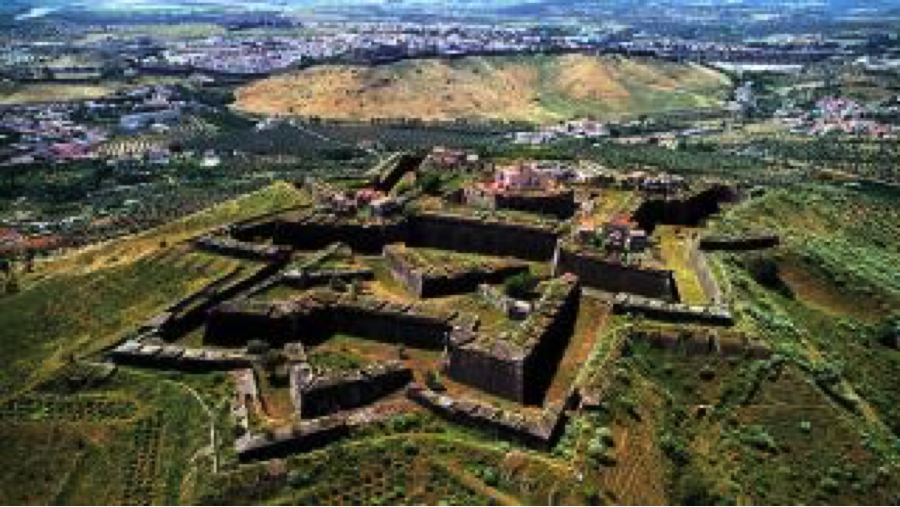
Aerial view of the fortifications of Elvas | Photo: Turismo de Portugal
What’s new?
New Historic Hotel opens in Elvas under Revive Program
Vila Galé Collection Elvas is the newest 4-star historic hotel to open in Elvas, the former frontier fortress-city on the Alentejo-Spanish border, with 79 rooms, two restaurants, bar, spa and indoor pool, and many event rooms. Set in the former Convento de São Paulo in the historic center, the 1721 building, vacant since 2004, is the first hotel to open in Portugal under the Revive Program. This is a Government-sponsored initiative that seeks to rehabilitate public historic buildings and boost tourism in culturally significant locations.
New four-star hotel opens in Alqueva Lake
Across from the Great Alqueva Lake, set in the Alentejo countryside, is the new Herdade dos Delgados – Dark Sky View Hotel & SPA, featuring 24 bedrooms and 3 apartment suites. The new property set on Europe’s largest artificial lake is a prime location to stargaze by night and enjoy nautical activities by day. The hotel’s infrastructure also includes a locally sourced restaurant, terrace bar, pool and spa and sports facility.
Museum Dedicated to Filigree to open in Porto this October
The House of Filigree is set to open in downtown Porto this October to promote and honor the manufacturing of filigree, a traditional Portuguese art that uses thin gold threads to create intricate jewelry and ornaments.  The new House of Filigree will have a filigree exhibition and showcase the manufacturing process, as well as a boutique selling exclusive designs.
Chef Ljubomir Stanisic opens new restaurant at Furnas Lake Forest Living Hotel in Sao Miguel, Azores
Liquen by Ljubomir Stanisic is a culinary tribute to the Azores’ beautiful green landscapes and ocean surroundings and the chef’s first haute cuisine project in the archipelago, featuring a décor inspired by these natural elements and a menu that uses local ingredients. The restaurant is part of the Furnas Lake Forest Living hotel on São Miguel, located in one of the island’s most iconic areas, Furnas – meaning hot springs in Portuguese - which had a major influence on Azorean cuisine.
Two new hotels are set to open next year in Funchal on Madeira Island
Turim Santa Maria Hotel and Caju Design Hotel are two new properties opening on Madeira in 2020. Both hotels are located in the center of Funchal, close to the local farmer’s market Mercado dos Lavradores (Farmers' Market), several museums and the oceanfront. Turim Santa Maria Hotel is housed in a classic hotel from the 1960s that has been redone to offer 100 rooms and sophisticated touches. With 26 rooms, Caju Design Hotel is set in one of city’s top shopping streets, in the same building of the island’s first supermarket. The old façade has been kept to preserve the architecture style in downtown Funchal.

Did you know?
Off the beaten path museums in Portugal
For such a small nation, Portugal has a considerable wealth of museums showcasing diverse aspects of both history and society. From eclectic art collections, to transportation and communications, to music and sport, there is a Portuguese museum for every taste. While many are concentrated in the capital, there are severalsmaller and off the beaten path museums scattered across the country, where you will find interesting collections and no lines to get in.
Possibly one of the quirkiest museums in Portugal is Museu dos Fósforos (Match Museum), located in the Templar city of Tomar, holding Europe’s largest collection of matchboxes with more than 43 thousand items from 127 countries. The museum is located inside the former Convent of São Francisco, a monumental mannerist Church dating back to the 17th century.
An underrated day-trip would be to discover the art of Portuguese tapestry at the Carpet Weaving Museum in Portalegre, a hilltop city in the Alentejo region. This museum preserves the work of Guy Fino, founder of the Manufactura de Tapeçarias de Portalegre (Portalegre Carpet Manufacturing), displaying woven reproductions of modern Portuguese paintings by Almada Negreiros and other national artists, as well as colorful temporary exhibitions.
Not far from Portalegre, there is another unusual museum dedicated to soap. Museu do Sabão is located in castle town of Belver, where the production of soap had a very significant role for the local economy. The archive shows the instruments and molds used to craft, store and transport soap. There are also contemporary art pieces made from soap.
And across the river from Lisbon, in Palmela – known for its ancient fortified castle, is the Museu da Música Mecânica, shaped like a giant music box and dedicated tomechanical music instruments like phonographs or gramophones. The museum displays a private collection of more than 600 artifacts dating from the period between the late 1800s and the 1930s, paying homage to both romantic and mechanical music.
In Ponte de Lima, the oldest village in Portugal, you can find Museu do Brinquedo Português with an extensive collection of traditional toys made in Portugal that evokes feelings of childhood nostalgia. The items in this museum include dolls, figure cars, musical instruments, child-sized furniture, utensils and games that were part of children’s play from the late 19th century until the late 1980s.  
Also in the North, the Shoe Museum in S. João da Madeira, is in a town where the shoe industry flourished. Here you can explore history of the shoe throughout time and learn about  shoe design in Portugal in the 20th century, and meet the technology and creativity of the 21st century.
Architecture lovers will enjoy Museu Nacional Machado de Castro in Coimbra, named after the celebrated Portuguese sculptor. The museum is housed in the former Bishop’s Palace and maintains its renaissance façade, and in June it became part of the World Heritage Site at University of Coimbra. The museum’s treasures includes artifacts from churches from around the region, such as religious paintings, ceramics, textiles and the country’s biggest sculpture collection. But its big surprise is theRoman cryptoporticus located under it – you can explore these semi-subterranean galleries whose vaulting supported the long lost forum structures above ground.

6 Portuguese pastries that are as good as a Pastel de Nata
There is more to the Portuguese patisserie than the Pastel de Nata, the tasty custard tart that became the trademark of most trips to Portugal. There are more Portuguese sweet recipes than cities and each region has its own specialty. From North to South, you can try many delicious traditional pastries influenced by the local history and ingredients. Here are just a few:
1. Pastel de Tentúgal 
Born in the Convent of Tentúgal in the late 19th century by the hand of Carmelite Nuns, the Pastel de Tentúgal is a long piece of crunchy puff pastry filled with egg cream and wrapped on both ends. It first became popular around Tentúgal, then spreading to larger surrounding cities like Coimbra and Figueira da Foz, ultimately becoming one of the most beloved national pastries.
2. Pampilhos
This small cake is a regional confection from Santarém, located in the heart of the horse and bullfighting region of Portugal, Ribajtejo. The Pampilho is a long roll of dough filled with egg and cinnamon cream, created to honor the traditional cattle herders from Ribatejo, also known as Campinos, who carry long poles called pampilhos.
3. Ovos Moles
Original from Aveiro in the North of Portugal – a city that is called the Portuguese Venice due to the canals and typical moliceiro boats - the name of this delicacy literally translates to soft eggs. Ovos moles are very sweet pastries made from an egg yolk and sugar filling wrapped in thin rice paper shells, traditionally shaped with marine motifs like fish and sea shells.
4. Morgadinhos
Typical from the Algarve in the South of Portugal, Morgadinhos are sweet spheres made from almond, squash jelly and egg cream, covered in a white sugar glaze. Almonds are widely used in Southern Portuguese recipes due to the abundance of almond trees in the region. These confections can be found in most pastry shops across the Algarve and are the perfect sweet note to wrap up your beach day.
5. Broa de Mel
Madeira Island is also home to a delicious small cake that uses local molasses as its main ingredient. Broa de Mel is a small brownish molasses cake that actually contains no honey in it despite being named after it (in Portuguese, mel means honey, but on Madeira it means molasses). Some variations may contain nuts and spices such as cinnamon and cloves. Molasses is a popular ingredient in cuisine from Madeira due to the sugar cane plantations that once filled the south coast.
6. Pastel de Feijão
Last but not least, and because not all Portuguese pastries are egg based, the Pastel de Feijão is something to try. This is a unique sweet tart made from white beans and almonds with a lightly crunchy shell, created in Torres Vedras in the Lisbon district. The original brand offering these convent-made treats is Casa Brasão, which has several vending points in Lisbon and western Portugal, known for the popular surf destinations Peniche and Nazaré.

Monday, July 15, 2019

Two Portuguese Monuments Become UNESCO World Heritage Sites For A Total Of 17

Image result for Bom Jesus do Monte Sanctuary in Braga
Bom Jesus do Monte Sanctuary in Braga

The National Palace of Mafra, near Lisbon, and the Bom Jesus do Monte Sanctuary in Braga have been added to World Heritage List, according to UNESCO. UNESCO recognized the two Portuguese monuments as cultural sites for their outstanding universal value.

The recognition of the National Palace of Mafra includes the National Palace, Basilica and Convent of Mafra, as well as Jardim do Cerco –inspired by Versailles’ gardens, and Tapada de Mafra, a former royal reserve  that is home to different species of deer, foxes and birds.

The  Bom Jesus do Monte Sanctuary in the north of Portugal is an impressive 380 feet tall church that stands atop an elaborate 580 step staircase with several fountains.

The President of the Portuguese Tourism Authority (Turismo de Portugal), Luis Araújo, considers that “this is an excellent achievement, as we now have two more extremely relevant arguments to promote and raise awareness of our country.”

Following these additions to UNESCO’s World Heritage list,
Portugal has a total of 17 World Heritage sites. The other 15 landmarks  are:
  1. The Historic Center of Guimarães 
  2. The Historic Center of Porto, D. Luiz I bridge Mosteiro da Serra do Pilar
  3. Alto Douro Vinhateiro
  4. Pre-Historic Sites and Pre-Historic Art in Rio Côa Valley and Siega Verde
  5. University of Coimbra
  6. Batalha Monastery
  7. Alcobaça Monastery
  8. Convento de Cristo in Tomar
  9. Cultural Landscape in Sintra
  10. Jerónimos Monastery and Torre de Belém
  11. The Historic Center of Évora
  12. Garrison Border Town of Elvas and its Fortifications
  13. Madeira Laurissilva forest
  14. Vineyard landscapes on the Ilha do Pico
  15. The Historic Center of Angra do Heroísmo in Azores
Portugal has also received 7 distinctions for UNESCO’s Intangible Heritage List:
  1. Fado
  2. Mediterranean diet
  3. Cante Alentejano
  4. Cowbell manufacturing
  5. Falconry
  6. Black pottery from Bisalhães
  7. Clay figures from Estremoz
Which means that Portugal has a total of 24 UNESCO heritage recognitions.

Tuesday, June 11, 2019

Portugal Wins “Best Destination In Europe” For The Third Time And 24 Other Travel Awards

Turismo de Portugal was voted "Best Official Tourism Organization”
Madeira, PT – Portugal won 25 awards at the World Travel Awards Ceremony last week, also known as the “Oscars of Tourism”, which was held on the Portuguese island Madeira for the first time. In addition to Portugal being named “Best Destination in Europe” once again, Madeira won the "Best Island Destination" award.
Having received a total of 25 awards, Portugal was the big European winner of this year’s World Travel Awards, with distinctions including: "Best European Tourist Destination", "Best Destination for City Break," and "Best Cruise Port" (Lisbon), "Best Island Destination" (Madeira) and "Best Tourism Development Project" (Passadiçosdo Paiva). The awards ceremony took place on Madeira, at the also award-winning Belmond Reid’s Palace hotel.
Turismo de Portugal, the Portuguese tourism office, took home the "Best Official Tourism Organization" award. In 2018, Portugal had received 36 awards at the "Oscars of Tourism”,  and was elected, for the second consecutive time, the "Best Destination in the World."
This year, Madeira was voted – for the sixth time – "Europe's Leading Island Destination" at the World Travel Awards. The Portuguese island was the winner in this category in 2013, 2014, 2016, 2017 and 2018, making this the fourth consecutive victory. And Portugal’s capital city, Lisbon, not only was named “Best City to Visit”, but it also won the award for "Best Cruise Port in Europe” for the 2nd year in a row.
The “European Responsible Tourism Award” was given to the Dark Sky Alqueva project. The Alqueva lake in Alentejo was awarded the "Starlight" certificate for its stunning night view of the starry sky, a result of having next to no light pollution around the area. Unsurprisingly, the Algarve won the title of "Best Beach Destination in Europe" for the sixth consecutive year.
The winners were selected and the awards were attributed following an online poll open to the general public and tourism professionals. The World Travel Awards began in 1993 to "recognize, reward and celebrate the excellence of all key sectors across the travel, tourism and hospitality industries." Currently, these awards are recognized as one of the most prestigious international awards in the sector.

All the prizes won by Portugal (25 in the European category plus 10 assigned within country):

Europe’s Leading Adventure Tourist Attraction 2019 –  Passadiços do Paiva (Arouca UNESCO Global Geopark), Portugal
Europe’s Leading Airline to Africa 2019 – TAP Air Portugal
Europe’s Leading Airline to South America 2019 – TAP Air Portugal
Europe’s Leading In-flight Magazine 2019 – Up Magazine (TAP Air Portugal)
Europe’s Leading All-Inclusive Resort 2019 – Pestana Porto Santo All Inclusive Beach & Spa Resort, Portugal
Europe’s Leading Beach Destination 2019 – Algarve
Europe’s Leading Beach Resort 2019 – Hotel Quinta do Lago
Europe’s Leading Boutique Hotel 2019 – Quinta da Bela Vista
Europe’s Leading Boutique Hotel Operator 2019 – Amazing Evolution Management
Europe’s Leading Business Hotel 2019 – EPIC SANA Lisbon Hotel
Europe’s Leading City Break Destination 2019 – Lisbon
Europe’s Leading City Tourist Board 2019 – Turismo de Lisboa
Europe’s Leading Cruise Port 2019 – Porto de Cruzeiros de Lisboa
Europe’s Leading Design Hotel 2019 – 1908 Lisboa Hotel
Europe’s Leading Destination 2019 – Portugal
Europe’s Leading Lifestyle Resort 2019 – Douro Royal Valley Hotel & Spa
Europe’s Leading Luxury Hotel & Villas 2019 – Vila Vita Parc
Europe’s Leading Luxury Lifestyle Resort 2019 – Conrad Algarve
Europe’s Leading MICE Hotel 2019 – EPIC SANA Lisbon Hotel
Europe’s Leading Resort Villas 2019 – Dunas Douradas Beach Club
Europe’s Leading River Cruise Company 2019 – DouroAzul
Europe’s Leading Tourism Development Project 2019 – Passadiços do Paiva (Arouca UNESCO Global Geopark)
Europe’s Leading Tourist Board 2019 – Turismo de Portugal
Europe’s Most Romantic Resort 2019 – Monte Santo Resort
Europe’s Responsible Tourism Award 2019 – Dark Sky Alqueva (Portugal and Spain)

Portugal’s Leading Boutique Hotel 2019 – Pestana CR7 Funchal
Portugal’s Leading Business Hotel 2019 – Pestana Palace Lisboa
Portugal’s Leading Car Rental Company 2019 – Europcar
Portugal’s Leading Conference Hotel 2019 – Pestana Cidadela Cascais
Portugal’s Leading Design Hotel 2019 – 1908 Lisbon Hotel
Portugal’s Leading Destination Management Company 2019 – Abreu DMC Portugal
Portugal’s Leading Family Resort 2019 – Martinhal Sagres Beach Family Resort Hotel
Portugal’s Leading Green Hotel 2019 – Galo Resort Hotels
Portugal’s Leading Hotel 2019 – Belmond Reid’s Palace (Madeira)
Portugal’s Leading Hotel Residences 2019 – Troia Design Hotel, a Blue and Green Hotel
Portugal’s Leading Hotel Suite 2019 – Roof Garden Suite @ Conrad Algarve
Portugal’s Leading Lifestyle Hotel 2019 – Pestana CR7 Funchal
Portugal’s Leading Resort 2019 – Hilton Vilamoura As Cascatas Golf Resort & Spa
Portugal’s Leading Serviced Apartments 2019 – Pine Hills Vilamoura
Portugal’s Leading Villa Resort 2019 – Sublime Comporta