Showing posts with label Japanese food and drink. Show all posts

Wednesday, April 5, 2017

Japan’s 10 Essential Travel Experiences

What are the top 10 experiences not to miss in Japan? This amazing country offers so much to see and do, it’s hard to know exactly what’s not to be missed.
Luckily, our local travel experts have insider knowledge of the country’s top attractions, so we’ve compiled an infographic of 10 experiences in Japan you definitely shouldn’t miss.
Whether you like picturesque mountain towns, shopping for gadgets or delving into the history of the geisha, there is an unmissable experience in Japan just for you.

10 Not-to-Miss Japan Experiences

what not to miss in japan - 10 not-to-miss experiences - Infographic

More details about our 10 not-to-miss Japan experiences

Experience #1 – Ride bullet train

Make sure you the have original high-speed bullet train experience with a ride on the Shinkansen. These super efficient, super-fast trains are definitely not your average commute. Whiz through the picturesque Japanese countryside at 320 km/h.

Experience #2 – Drink in the views of Takayama

Get your camera ready for this one – Takayama is an unbelievably pretty mountain village of Edo-period merchants’ houses dating back to the 1600s. Located in the ‘Japanese Alps’, this little town is a must-see for its sheer scenic beauty.

Experience #3 – Stay in a ryokan and dip into an onsen

A ryokan is a traditional Japanese inn, where you can stay in a private tatami mat rooms and sleep on a futon. A key feature of the ryokan is the hot spring bath – the onsen. Relax in the style of Japanese wayfarers immemorial.

Experience #4 – See history in Kyoto’s incredible array of UNESCO World Heritage Sites

Kyoto is Japan’s former imperial capital, so it stands to reason that there’s much history to be found. In UNESCO terms, it is home to 17 World Heritage Sites, which is more than anywhere else on the planet. See Japan’s spiritual and cultural heritage in its ancient castles, temples and shrines.

Experience #5 – Visit an icon – Miyajima Island and the red torii gate

You’ve seen it in movies or online, but it’s much better in real life – Miyajima’s Itsukushima Shrine is the iconic ‘floating’ torii (‘gate’ in Japanese). Torii are all over Japan, but here are none as famous as this one.

Experience #6 – See a geisha performance

Trained in classical music, dance, games and more, the modern geisha performance is a rare, one-of-a-kind experience. No cultural Japanese trip is complete without taking in an authentic geisha performance.

Experience #7 – Go, go, gadgets in Akihabara, Tokyo

Imagine store after store jammed to the rafters with gadgets – cameras, phones, games, computers, robots, drones – that’s Akihabara. Affectionately known in Tokyo as Akiba, this neighborhood is home to a mind-boggling array of electronics. Also home to anime and manga shops and some eye-catching cosplay cafés.

Experience #8 – Discover ancient Kamakura

Kamakura was Japan’s capital from 1192 to 1333, and today this scenic seaside city provides a the best glimpse you could ask for at the country’s feudal past. Mountains, beaches, shrines, temples, forests – Kamakura is a resort town with historic clout.

Experience #9 – Taste Tokyo

Hot, steaming bowls of ramen, spicy katsu curry, Michelin-starred sushi, BBQ meat on a skewer from your local izakaya – sampling all the must-eat food on offer in Tokyo is enough to keep you busy for a whole trip.

Experience #10 – Learn the ‘Way of Tea’

If you’re interested in Japanese culture, this must-have experience highlights not only the importance of the brew in Japanese culture but teaches you the concept of wabi-sabi, the beauty of impermanence/imperfection.

3 insider recommendations

#1 – Explore the arts

Get into the eclectic array of arts Japan offers. Sumo wrestling, sake tasting, contemporary art, antiques, Japanese calligraphy, zen gardens, even Buddhist meditation – dive into hands-on cultural experiences to give yourself a uniquely memorable time in Japan.

#2 – Robot Restaurant

If you’ve always wanted to say domo arigato, Mr Roboto, here’s your chance. Shinjuku in Tokyo is home to the Robot Restaurant where you can have a truly a once-in-a-lifetime experience watching robots battling it out on stage and bikini-clad hype dancers cheering them on. Is it touristy? Yes, but it’s fantastic fun!

#3 – Draw Manga

Manga is one of Japan’s most popular modern exports and you can learn how to draw in this distinctive style by joining a workshop – no previous experience required.

From its ancient capitals to its modern metropolises, Japan offers a new discovery around every bend. Armed with insider knowledge from our Travel Specialists, you can now create a custom holiday full of Japanese experiences not to be missed. If you feel inspired to plan a Japan trip, choose your ideal tour and contact Backyard Travel today!

Thursday, March 31, 2016

Best Places To Eat And Drink In Japan: Readers’ Travel Tips

It might not be hard to find great sushi in Tokyo, or a gem of a sake bar, but where would you go for the best okonomiyaki pancakes, takoyaki octopus balls, gold ice-cream or udon noodles?


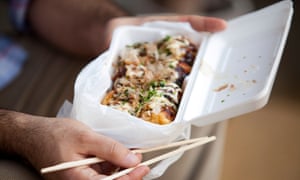
Takoyaki octopus balls on a polystyrene tray.
The tentacles of Japanese cuisine reach far … takoyaki octopus balls await. Photograph: Alamy


Winning tip: Takoyaki, Nishiki Market, Kyoto

I’ve eaten the most rarefied meals of my life in Japan, but it’s hard to beat the charms of a £2 portion of takoyaki – fluffy balls of eggy batter studded with boiled octopus, ginger and spring onion – in a polystyrene tray. These are anointed with takoyaki sauce (Japan’s answer to HP) and mayonnaise, then sprinkled with dried pink bonito (skipjack tuna) flakes, which writhe in the heat emanating from the molten core. You spear each ball with a notched cocktail stick and nibble while trying to avoid singing your lips. It’s like eating mouthfuls of octopus-flavoured cloud. Osaka invented them, but you can find them pretty much everywhere in Japan. Among the best are the ones served in Kyoto’s Nishiki Market, where you buy a ticket from a vending machine before placing your order with the cook juggling the golden balls.
MoragR

Tofu temple, Kyoto


Tofu temple in Kyoto
Pinterest
 Photograph: Guardian Witness/MoragR

You need a good-luck talisman (and some instructions printed from the internet) to find Shoraian, hidden in the glorious Arashiyama mountains to the west of Kyoto. To reach it I followed the jade waters of the Hozu river, then took a steep path into the forest to a lonely hillside clearing with a wooden house, which seems to belong in a fairytale. Shoraian’s fame rests on its tofu-based menu. It sounds ascetic, but this is Japan, where simplicity means invention and elegance. All its tofu is made in-house, which results in something completely unlike the stuff packaged in supermarkets. We ate in a room overlooking the river and shaded by rustling trees. We chose the cheapest of the set menus, at around £25 per head (lunch is always a more affordable option than dinner in Japan). The meal starts with homemade plum wine served with a scoop of tofu as creamy asburrata, served with a pinch of salt. Vegetarian delicacies follow, an artwork on a plate. Then a bowl called “sunrise”, served with a calligraphy poem, based on a preserved egg as bright as a pocket-sized sun. Then comes yudofu (tofu hot-pot) – blocks of tofu simmered in tasty broth. Dessert is tofu ice-cream – nutty, toffee-ish and textured. I will never eat a more magical meal.
• Ukyo-ku, Kyoto-shi, +81 75 861 0123, shoraian.com
MoragR

Sushi Tokami, Ginza, Tokyo


Hiroyuki Sato preparing sushi at Tokami
Pinterest
 Hiroyuki Sato preparing sushi at Tokami. Photograph: Guardian Witness/pfrosty

Ginza is where the best sushi places in Tokyo are found and must be among the best in the world. Sushi Tokami is my pick of the lot, run by Michelin-starred Hiroyuki Sato, one of the young guns of the sushi scene, who loves a joke and is happy to chat and explain while making exquisitely flawless nigiri. The place is a tiny basement affair with 10 seats in total but when you also learn that Tokami means “10 gods” then you realise this restaurant is a small but beautiful offering to the world of sushi.
• Sushi (10 pieces) from £31 including soup and appetiser, Ginza Seiwa Silver Building B1F, 8-2-10 Ginza, Chup-ku, +81 3 3571 6005, sushitokami.3zoku.com
pfrosty

Jumanji 55, Roppongi, Tokyo


Jumanji 55 in Roppongi, Japan
Pinterest
 Photograph: Facebook

You don’t get much better than Roppongi for a fun cheap night out in Tokyo. For just £6 you can drink as much as you like here for four hours, and the service is fantastic. It has everything: bizarre interior design, a fine selection of western and Asian music and a real buzz. It also has a great selection of traditional snacks.
• 3-10-5 Mariner building 1F, +81 3 5410-5455, jumanji55.com
Natasha Alexa Searle

Bar Track, Ebisu, Tokyo

Ebisu is known for its izakayas (informal bar and eating joints) and as a cool spot away from the crowds of Shinjuku and Shibuya. A simple sign saying “Bar” on a nondescript building leads to a warm and hushed interior. There’s a huge selection of rare Japanese and Scotch whiskies and US bourbons. The bartenders play old jazz and blues records from a collection of thousands through vintage wooden speakers. There are simple bar snacks to keep you going – banana chips, wasabi peas and rice crackers.
• 3-24-9 Higashi Shibuya +81 3 5466 8871, on FacebookSam Seager

Kushiya monogatari, Shinjuku, Tokyo


Kushiage
Pinterest
 Photograph: Getty Images/Flickr Open

This is a brilliant restaurant in the Shinjuku area offering a range of tabehodai andnomihodai (all you can eat/drink) options. It specialises in kushiage – various meats, veg and fish on skewers. Each table has a small fryer in the middle, you pick out the skewers you want and batter/fry them yourself at your table. The best thing is you can have as much as you want in 90 minutes for about ¥2,500 (£15.50) including drinks. I have eaten in many different types of restaurant in Japan but this definitely ranks at the top of my list. Not only is the food excellent but it is a fun and unique dining experience and great value for money.
• 1-3-1 Nishi-Shinjuku, 5th fl, Sunflower Bldg, +81 3 5321 6166, sunnypages.jp
Roy Searle

Sushibar Hamacho, Nozawa Onsen


Sushi
Pinterest
 Photograph: Alamy

Nozawa Onsen is a great little ski resort, still very traditional. Its tiny streets have a great selection of eating places. My favourite was Sushibar Hamacho, a one-room place with seating at the bar or on the floor of a raised, matted platform. The place is usually busy with seemingly random opening hours. But the fresh, plump salmon and tuna are beautifully presented and of perfect quality, taste and texture. Four of us shared the platter and then polished off another one. Most meals cost around £9.
• 9519 Toyosato Nozawaonsen-Mura, +81 2 6985 2591
buryboy

Hida beef and sake in Takayama


Japan, Gifu Prefecture, Takayama, Sake bottles in sake brewery
Pinterest
 Photograph: Getty Images/AWL Images RM

Kill two culinary birds with one stone with a visit to Takayama, a historic town in the mountains 200 miles west of Tokyo, famous for both its hida beef and sake. Once you’ve explored the numerous shrines and temples sprinkled around the surrounding hillsides, keep an eye out for the distinctive balls of cedar hanging from a building which signify a sake brewery; where the cedar ball has turned brown it means the sake is ready to drink. Several of the breweries offer tastings, and tasting cloudy sake is definitely an experience. In the evening, head to a specialist hida beef restaurant, such as Maruaki, to experience the best steak you’ll taste in your life.
• 6 Chome-8 Tenmanmachi, +81 577-35-5858, hidagyu-maruaki.co.jp
cr7364

Noodles at Gamou-Udon, Shikoku island


Sanuki udon, a specialty of Kagawa Prefecture on Shikoku
Pinterest
 Photograph: Alamy

For the true udon experience, go to Kagawa prefecture on Shikoku island. The signature foods here are soup and the al dente udon noodles. Gamou-Udon sits in the middle of farmland, dedicated to serving mainly udon and soba (thin buckwheat noodles) available only during its season from Nov-Apr. The menu is simple: small, medium or large noodles and you can add your own toppings (selection of tempura, fried bean curd and poached egg). I recommend to stay within three toppings to actually enjoy the noodles. This small hut that seats about 15 people gets very busy. People come, slurp the noodles and leave. Locals as well as Japanese tourists queue up during lunch hour. If you go too late, they will run out for the day so go early. It doesn’t do dinner. Best udon I’ve ever had (I’m Japanese).
• 762-0023 Kagawa-ken, Sakaide-shi
Alvin K Shimoju

Somen noodles, Shodoshima island

The small island of Shodoshima off Okoyama often gets overlooked by visitors to the Seto inland sea who favour its nearby arty, even smaller, neighbour Naoshima. Shodoshima, however, is a food paradise, from roadsides lined with olive groves, to the smell of sesame oil wafting through the air; food is central to life here. Highlights for visitors include Yamaroku, a small family soy sauce producer who estimates the age of its business through the ancient barrels its soy sauce ferments in. It is free to visit and you can climb up and look into the dark vats as well as sample a delightful spectrum of soy sauce products. Around the corner you will also find Nakabuan, a local somen noodle-maker where you can watch the thin wheat-flour noodles being hand-rolled, while eating the one dish on the menu, a bowl of fresh somen with dipping sauce.
ID5040053

Gold ice-cream, Kanazawa


Kanazawa gold ice cream
Pinterest
 Photograph: Guardian Witness/Claire Mason

The opportunity to indulge in a golden ice-cream is rare; but not here in Kanazawa. The city was spared from bombing during the second world war and has managed to retain its historic districts and charm. It produces almost all of Japan’s gold leaf, and there must be a surplus because it’s even used as an ice cream topping. You can buy the creamy, gold ice-cream from various stands in the historic parts of town.
Claire Mason

Okonomiyaki pancakes, Hiroshima


Okonomimura. Okonomiyaki (Japanese Pancake) being made at a fast food outlet.
Pinterest
 Photograph: Getty Images/AWL Images RM

Street food has been mainstream in Japan for a while now, with variations onsavoury pancakes in the 20 or so eateries in Hiroshima’s Okonomiyaki building a classic example. Combining whatever ingredients you want fried up with fish stock and cabbage pancake mix is an unpretentious meal, eaten off up-turned beer crates while sat around the hot plate. The snack is highly visual, with a pizza-size lattice of mayonnaise and tangy sauce mingling with oscillating tuna flakes sizzling away. Yours for £7.
Tayls79