From the brand new Bread Room in Washington Square to the nearly 140-year-old Bredenbeck's in Chestnut Hill, the new Bakery map is literally all over the map, showcasing 30 spots all over the city.
Ellen Yin, founder of High Street Hospitality Group and co-chair of Sisterly Love Collective came up with the idea.
Visit Philly quickly came on board and the hope is that locals, along with tourists visiting our city in this monumental year, will grab a copy and follow their nose.
CI Macarons & Cafe |https://www.instagram.com/icimacarons
11 N. 3rd Street, Philadelphia, Pa. 19106
Tartes Pastry Shop |https://www.instagram.com/tartes_oldcity
212 Arch Street, Philadelphia, Pa. 19106
Ba Le Bakery | https://www.instagram.com/balebakeryphilly
606 Washington Avenue, Philadelphia, Pa. 19147
Jezabel's | https://www.instagram.com/jezabels
206-208 S 45th St, Philadelphia, Pa. 19104
https://www.visitphilly.com/philly-bakeries/
By Wendy Daughenbaugh
Showing posts with label Visit Philly. Show all posts
Showing posts with label Visit Philly. Show all posts
Saturday, January 31, 2026

Monday, October 6, 2025
Henri Rousseau: A Painter’s Secrets Opens At The Barnes Foundation In Philadelphia October 19-February 22, 2026
A once-in-a-generation exhibition. A visionary artist revealed.
 Henri Rousseau. Scouts Attacked by a Tiger (detail), 1904. The Barnes Foundation, BF584. Public Domain.
Step into the lush, hypnotic world of Henri Rousseau, one of the boldest forces in modern art.
Born in 1844, and with no formal art training, Rousseau defied the odds to become a cult figure to avant-garde legends such as Pablo Picasso. His paintings—dreamlike, symbolic, and deeply strange—range from imaginative visions of the jungle to portraits that capture his neighbors and loved ones.
Henri Rousseau: A Painter’s Secrets is the first major US exhibition in decades dedicated to this pioneering French painter. Featuring more than 60 works—including world-famous highlights like The Sleeping Gypsy, The Snake Charmer, and Unpleasant Surprise—the exhibition invites you to see Rousseau in a whole new light.
Don’t miss this world-premiere exhibition that unveils new research discoveries—including hidden layers beneath some of Rousseau’s celebrated paintings—and brings together, for the first time, the two most important Rousseau collections in the world, those of the Barnes Foundation and the Musée de l’Orangerie, Paris.
Developed in partnership with the Musée de l’Orangerie, Paris, Henri Rousseau: A Painter's Secrets is curated by Christopher Green, consulting curator, Professor Emeritus at the Courtauld Institute of Art, London, and Nancy Ireson, Deputy Director for Collections and Exhibitions & Gund Family Chief Curator at the Barnes, with the support of Juliette Degennes, curator at the Musée de l’Orangerie.
For more details and timed tickets, please visit: https://www.barnesfoundation.org/

Step into the lush, hypnotic world of Henri Rousseau, one of the boldest forces in modern art.
Born in 1844, and with no formal art training, Rousseau defied the odds to become a cult figure to avant-garde legends such as Pablo Picasso. His paintings—dreamlike, symbolic, and deeply strange—range from imaginative visions of the jungle to portraits that capture his neighbors and loved ones.
Henri Rousseau: A Painter’s Secrets is the first major US exhibition in decades dedicated to this pioneering French painter. Featuring more than 60 works—including world-famous highlights like The Sleeping Gypsy, The Snake Charmer, and Unpleasant Surprise—the exhibition invites you to see Rousseau in a whole new light.
Don’t miss this world-premiere exhibition that unveils new research discoveries—including hidden layers beneath some of Rousseau’s celebrated paintings—and brings together, for the first time, the two most important Rousseau collections in the world, those of the Barnes Foundation and the Musée de l’Orangerie, Paris.
Developed in partnership with the Musée de l’Orangerie, Paris, Henri Rousseau: A Painter's Secrets is curated by Christopher Green, consulting curator, Professor Emeritus at the Courtauld Institute of Art, London, and Nancy Ireson, Deputy Director for Collections and Exhibitions & Gund Family Chief Curator at the Barnes, with the support of Juliette Degennes, curator at the Musée de l’Orangerie.
For more details and timed tickets, please visit: https://www.barnesfoundation.org/
Friday, January 10, 2025
The Long-Awaited Calder Gardens To Open On Philadelphia's Benjamin Franklin Parkway In Summer 2025
Featuring a building conceived by Pritzker Prize-winning design practice Herzog & de Meuron and gardens by internationally acclaimed Dutch landscape designer Piet Oudolf, Calder Gardens is dedicated to the art and ideas of Alexander Calder, a native Philadelphian who is considered one of the most innovative and influential artists of the 20th century.

Featuring galleries illuminated by natural light, in a structure ensconced in a flowing landscape of native and flowering species, Calder Gardens will present a rotating selection of masterworks from the Calder Foundation, New York, including mobiles, stabiles, monumental sculptures, and paintings. “The esthetic value of these objects cannot be arrived at by reasoning,” Calder wrote in 1933. “Familiarization is necessary.” Installed both indoors and outdoors, Calder’s art will be in constant dialogue with nature and the changing atmospheres of the seasons. Calder Gardens will provide the public with a singular place for contemplation and reflection, as well as abundant opportunities for learning and community building through a schedule of inclusive public programs and special events.
“Our intention for Calder Gardens is not only to create the ideal environment for the public to encounter my grandfather’s work but also to elevate personal contemplation and reflection,” said Alexander S. C. Rower, President of the Calder Foundation. “Calder’s role as a pioneer of experiential art is essential to his legacy. For viewers who open themselves up to the possibilities of his mobiles and stabiles, the unexpected takes root. His objects continuously unfold in real time.”
Calder was born in Philadelphia in 1898, and his connections to the city are grounded in the rich artistic lineage of his family. A trio of iconic installations by three generations of Calders can be found along the Benjamin Franklin Parkway: at the southeast end, atop City Hall, stands the monumental statue William Penn (c. 1886–94) by the artist’s grandfather Alexander Milne Calder; at the midpoint sits Swann Memorial Fountain (1924) by his father Alexander Stirling Calder; and at the northwest end is Calder’s own 1964 mobile The Ghost, which hangs majestically in the main hall of the Philadelphia Museum of Art. Thus Calder Gardens brings into the 21st century the legacy of a Philadelphia family whose work has defined and enriched the city for over a century.

About the Design
Crafted specifically for the presentation of Calder’s work, the landscape and architecture of Calder Gardens will unfold as a choreographed progression that moves visitors from the quotidian city context to a more contemplative realm beyond the traditional museum experience, allowing them to engage with art as a personal, real-time encounter—as the artist intended.
“This was actually an open-ended process rather than a finished concept based on a fixed program. A kind of conceptual path which made us carve out the ground rather than build forms and volumes above—we were looking for space to present Calder’s work in a new and unprecedented way,” said Jacques Herzog, founding partner along with Pierre de Meuron of Herzog & de Meuron. “That space in the making eventually grew into a whole sequence of different galleries and also rather unexpected spaces, niches and gardens; such as the apse and the quasi-galleries or open plan gallery, the sunken or vestige gardens. And not only galleries in the classical sense, but every corner and angle, every stair and corridor should be offering itself up as a place to put art.”
Discreetly nestled into the landscape, Herzog & de Meuron’s almost 18,000 sq ft structure will be sheathed in softly reflective metal cladding that blurs the boundaries between architecture and the natural world—the material and the immaterial.

Departing the busy Parkway, visitors will approach the building along a path that winds through a meadow-like landscape punctuated by trees, arriving at the main entrance on the building’s north façade. Beyond the threshold, a sequence of spaces will reveal themselves below ground level as distinct volumes that will house a constantly changing display of Calder’s most acclaimed works. Large windows will wash the interiors with natural light and frame both the shifting geometries of Calder’s work and views of different gardens conceived as outdoor galleries. A Sunken Garden and Vestige Garden, visible from within the building through expansive glazing that likewise permits visitors outdoors to see into the building’s exhibition spaces. Quiet but theatrical, Herzog & de Meuron’s design has been conceived to amplify the impact of the artworks—to encourage engagement with their kinetic properties by affording visitors many different vantage points—and catalyze discovery and reflection.
The seamless relationship between the built elements designed by Herzog & de Meuron and the gardens envisioned by Piet Oudolf is central to the philosophy of Calder Gardens. The site will be distinguished by its naturalistic four-season garden, intending to create an entirely different experience than all other cultivated, manicured gardens on the Parkway.
“I see my gardens as living sculptures where change is constant,” Oudolf said. “The site is like a canvas to work on, and each plant has a personality that must work with the others. The composition of the garden is variable and will evolve through the seasons. For Calder Gardens, the horticultural design must also serve the works of art. My hope is that people will take the time to stand still and think here, to fully experience these elements together and have an 4 emotional reaction that stays with them long after their visit. It’s not about what you see, but what you sense.”

Featuring galleries illuminated by natural light, in a structure ensconced in a flowing landscape of native and flowering species, Calder Gardens will present a rotating selection of masterworks from the Calder Foundation, New York, including mobiles, stabiles, monumental sculptures, and paintings. “The esthetic value of these objects cannot be arrived at by reasoning,” Calder wrote in 1933. “Familiarization is necessary.” Installed both indoors and outdoors, Calder’s art will be in constant dialogue with nature and the changing atmospheres of the seasons. Calder Gardens will provide the public with a singular place for contemplation and reflection, as well as abundant opportunities for learning and community building through a schedule of inclusive public programs and special events.
“Our intention for Calder Gardens is not only to create the ideal environment for the public to encounter my grandfather’s work but also to elevate personal contemplation and reflection,” said Alexander S. C. Rower, President of the Calder Foundation. “Calder’s role as a pioneer of experiential art is essential to his legacy. For viewers who open themselves up to the possibilities of his mobiles and stabiles, the unexpected takes root. His objects continuously unfold in real time.”
Calder was born in Philadelphia in 1898, and his connections to the city are grounded in the rich artistic lineage of his family. A trio of iconic installations by three generations of Calders can be found along the Benjamin Franklin Parkway: at the southeast end, atop City Hall, stands the monumental statue William Penn (c. 1886–94) by the artist’s grandfather Alexander Milne Calder; at the midpoint sits Swann Memorial Fountain (1924) by his father Alexander Stirling Calder; and at the northwest end is Calder’s own 1964 mobile The Ghost, which hangs majestically in the main hall of the Philadelphia Museum of Art. Thus Calder Gardens brings into the 21st century the legacy of a Philadelphia family whose work has defined and enriched the city for over a century.

About the Design
Crafted specifically for the presentation of Calder’s work, the landscape and architecture of Calder Gardens will unfold as a choreographed progression that moves visitors from the quotidian city context to a more contemplative realm beyond the traditional museum experience, allowing them to engage with art as a personal, real-time encounter—as the artist intended.
“This was actually an open-ended process rather than a finished concept based on a fixed program. A kind of conceptual path which made us carve out the ground rather than build forms and volumes above—we were looking for space to present Calder’s work in a new and unprecedented way,” said Jacques Herzog, founding partner along with Pierre de Meuron of Herzog & de Meuron. “That space in the making eventually grew into a whole sequence of different galleries and also rather unexpected spaces, niches and gardens; such as the apse and the quasi-galleries or open plan gallery, the sunken or vestige gardens. And not only galleries in the classical sense, but every corner and angle, every stair and corridor should be offering itself up as a place to put art.”
Discreetly nestled into the landscape, Herzog & de Meuron’s almost 18,000 sq ft structure will be sheathed in softly reflective metal cladding that blurs the boundaries between architecture and the natural world—the material and the immaterial.

Departing the busy Parkway, visitors will approach the building along a path that winds through a meadow-like landscape punctuated by trees, arriving at the main entrance on the building’s north façade. Beyond the threshold, a sequence of spaces will reveal themselves below ground level as distinct volumes that will house a constantly changing display of Calder’s most acclaimed works. Large windows will wash the interiors with natural light and frame both the shifting geometries of Calder’s work and views of different gardens conceived as outdoor galleries. A Sunken Garden and Vestige Garden, visible from within the building through expansive glazing that likewise permits visitors outdoors to see into the building’s exhibition spaces. Quiet but theatrical, Herzog & de Meuron’s design has been conceived to amplify the impact of the artworks—to encourage engagement with their kinetic properties by affording visitors many different vantage points—and catalyze discovery and reflection.
The seamless relationship between the built elements designed by Herzog & de Meuron and the gardens envisioned by Piet Oudolf is central to the philosophy of Calder Gardens. The site will be distinguished by its naturalistic four-season garden, intending to create an entirely different experience than all other cultivated, manicured gardens on the Parkway.
“I see my gardens as living sculptures where change is constant,” Oudolf said. “The site is like a canvas to work on, and each plant has a personality that must work with the others. The composition of the garden is variable and will evolve through the seasons. For Calder Gardens, the horticultural design must also serve the works of art. My hope is that people will take the time to stand still and think here, to fully experience these elements together and have an 4 emotional reaction that stays with them long after their visit. It’s not about what you see, but what you sense.”
Thursday, February 1, 2024
Visit Philadelphia Giving Away 1500 Banned Books By Black Authors During Black History Month
To commemorate Black History Month, Visit Philadelphia launched Little Free(dom) Library, an initiative encouraging visitors and residents to explore Black history and narratives. Little Free(dom) Library is the third installment of Visit Philadelphia’s In Pursuit of A More Perfect Union series, a fresh take on how Philadelphia commemorates heritage months.
According to Penn America, more than 30 states have banned certain books by Black authors – both fiction and non-fiction – or otherwise deemed them inappropriate. In response, the Little Free(dom) Library initiative demonstrates Philadelphia's commitment, as the birthplace of the nation, to making these stories accessible and available to both visitors and residents.
 Ms. Joyce Abbott and a Little Free(dom) Library. / Photo by R. Rabena for VISIT PHILADELPHIA®
"Philadelphia strives to be a welcoming destination where every person can feel a sense of belonging,” said Angela Val, president and CEO, Visit Philadelphia. “We take pride in celebrating Philadelphia as the cradle of liberty, while also recognizing the complexity of its history. We want travelers and residents to know that in Philadelphia, Black history is American history, and Black stories are worth telling and sharing.”
The Little Free(dom) Library initiative includes:
15- and -30-second TV and radio spots, shot at the Historical Society of Pennsylvania, featuring Ms. Joyce Abbott, Quinta Brunson’s sixth-grade teacher and namesake for Brunson’s Emmy Award-winning show Abbott Elementary
13 Little Free(dom) Library sites giving away 1,500 banned books by Black authors at visitor and neighborhood hubs across the city
A four-part social media video series with notable Philadelphians like Marc Lamont Hill, Dr. Christina Afia Harris and Solomon Jones reading passages from banned books
A dedicated page on visitphilly.com that will include visitor information for each Little Free(dom) Library location, a list of available books and Black-owned businesses to patronize before or after picking up a free book
“Visit Philadelphia implements a year-round marketing strategy that celebrates and highlights Philadelphia’s majority diverse population and actively invites diverse travelers to experience the destination,” said Neil Frauenglass, chief marketing officer at Visit Philadelphia. “Our Little Free(dom) Library initiative provides yet another opportunity for us to connect visitors to the values of our city and, especially in the lead up to the 250th anniversary of the country, continue exploring what it means to be American.”
Visit Philadelphia worked with integrated marketing agency Allen & Gerritsen to develop the TV and radio spots featuring Joyce Abbott that will run throughout February in more than 25 markets across the U.S. The $105,000 buy includes unskippable commercials on video and/or audio streaming platforms like Paramount, YouTube and iHeart. Digital and print ads will run regionally in The Philadelphia Tribune and radio spots will also run on WXPN and WURD.
"I'm excited to be part of Visit Philadelphia's Little Free(dom) Library initiative," Abbott said. "With over 30 years of experience as an educator in the Philadelphia public school system, ensuring students have access to Black history and stories holds great significance for me. I hope that individuals will find inspiration in the books they discover and deepen their understanding of the contributions of Black people in this country.
Little Free(dom) Library Banned Book Activation
In partnership with national nonprofit Little Free Library, Visit Philadelphia’s Little Free(dom) Library activation features 13 small library structures that will house banned books by Black authors.
Bold, vibrant artwork and uplifting expressions adorn each Little Free(dom) Library designed by local, self-taught artist Alloyius Mcilwaine. The Little Free(dom) Library sites work like the Little Free Libraries that have sprung up in communities across the country and function on an optional take-one-leave-one system.
“We are excited to partner with Visit Philadelphia on this new initiative,” said Greig Metzger, executive director, Little Free Library. “Part of our mission is to expand book access for all, and this activation does just that.”
The Little Free(dom) Library trail includes the following locations:
Betsy Ross House, 239 Arch Street
Columbia North YMCA, 1400 N. Broad Street
Eastern State Penitentiary Historic Site, 2027 Fairmount Avenue
Faheem’s Hands of Precision, 2100 S. 20th Street
Frankford Community Development Corporation, 4667 Paul Street
Franklin Square, 200 N. 6th Street
Historic Germantown, 5501 Germantown Avenue
Johnson House Historic Site, 6306 Germantown Avenue
Mother Bethel A.M.E. Church, 419 S. 6th Street
Philadelphia Museum of Art, 2600 Benjamin Franklin Parkway
The Independence Visitor Center, 599 Market Street
The Kimmel Center for the Performing Arts, 300 S. Broad Street
South Street Street Off Center, 407 South Street
Visit Philadelphia collaborated with local community leaders, organizations and small business owners to select the initial books available in the libraries. Visitors and residents can find a mix of banned or challenged, fiction and non-fiction books for adults, teens and children. Some of the titles include The 1619 Project: A New Origin Story by Nikole Hannah-Jones, All Boys Aren’t Blue: A Memoir-Manifesto by George M Johnson and The Fire Next Time by James Baldwin.
All books were purchased from Black-owned bookstores in the region including Black and Nobel, Hakim's Bookstore & Gift Shop, Harriet’s Bookshop, Uncle Bobbie's Coffee & Books and The Black Reserve Bookstore. The Free Library of Philadelphia created a resource page where people can find book descriptions and information about book banning in the United States.
Visit Philadelphia’s In Pursuit of A More Perfect Union series showcases Philadelphia as the premier welcoming and inclusive destination in the U.S. Previous installments include Drag Queen Story Time at Independence Hall and Hispanic Voices.
As the official destination marketing organization for the city, Visit Philadelphia works to honor the nation’s history, while also acknowledging that the Founding Fathers’ vision of America does not reflect how many of our values have evolved over time.
This series serves as an educational platform, aimed at bringing Americans closer to realizing a more perfect union. To learn more, please visit visitphilly.com/freedomlibrary.
According to Penn America, more than 30 states have banned certain books by Black authors – both fiction and non-fiction – or otherwise deemed them inappropriate. In response, the Little Free(dom) Library initiative demonstrates Philadelphia's commitment, as the birthplace of the nation, to making these stories accessible and available to both visitors and residents.

"Philadelphia strives to be a welcoming destination where every person can feel a sense of belonging,” said Angela Val, president and CEO, Visit Philadelphia. “We take pride in celebrating Philadelphia as the cradle of liberty, while also recognizing the complexity of its history. We want travelers and residents to know that in Philadelphia, Black history is American history, and Black stories are worth telling and sharing.”
The Little Free(dom) Library initiative includes:
15- and -30-second TV and radio spots, shot at the Historical Society of Pennsylvania, featuring Ms. Joyce Abbott, Quinta Brunson’s sixth-grade teacher and namesake for Brunson’s Emmy Award-winning show Abbott Elementary
13 Little Free(dom) Library sites giving away 1,500 banned books by Black authors at visitor and neighborhood hubs across the city
A four-part social media video series with notable Philadelphians like Marc Lamont Hill, Dr. Christina Afia Harris and Solomon Jones reading passages from banned books
A dedicated page on visitphilly.com that will include visitor information for each Little Free(dom) Library location, a list of available books and Black-owned businesses to patronize before or after picking up a free book
“Visit Philadelphia implements a year-round marketing strategy that celebrates and highlights Philadelphia’s majority diverse population and actively invites diverse travelers to experience the destination,” said Neil Frauenglass, chief marketing officer at Visit Philadelphia. “Our Little Free(dom) Library initiative provides yet another opportunity for us to connect visitors to the values of our city and, especially in the lead up to the 250th anniversary of the country, continue exploring what it means to be American.”
Visit Philadelphia worked with integrated marketing agency Allen & Gerritsen to develop the TV and radio spots featuring Joyce Abbott that will run throughout February in more than 25 markets across the U.S. The $105,000 buy includes unskippable commercials on video and/or audio streaming platforms like Paramount, YouTube and iHeart. Digital and print ads will run regionally in The Philadelphia Tribune and radio spots will also run on WXPN and WURD.
"I'm excited to be part of Visit Philadelphia's Little Free(dom) Library initiative," Abbott said. "With over 30 years of experience as an educator in the Philadelphia public school system, ensuring students have access to Black history and stories holds great significance for me. I hope that individuals will find inspiration in the books they discover and deepen their understanding of the contributions of Black people in this country.
Little Free(dom) Library Banned Book Activation
In partnership with national nonprofit Little Free Library, Visit Philadelphia’s Little Free(dom) Library activation features 13 small library structures that will house banned books by Black authors.
Bold, vibrant artwork and uplifting expressions adorn each Little Free(dom) Library designed by local, self-taught artist Alloyius Mcilwaine. The Little Free(dom) Library sites work like the Little Free Libraries that have sprung up in communities across the country and function on an optional take-one-leave-one system.
“We are excited to partner with Visit Philadelphia on this new initiative,” said Greig Metzger, executive director, Little Free Library. “Part of our mission is to expand book access for all, and this activation does just that.”
The Little Free(dom) Library trail includes the following locations:
Betsy Ross House, 239 Arch Street
Columbia North YMCA, 1400 N. Broad Street
Eastern State Penitentiary Historic Site, 2027 Fairmount Avenue
Faheem’s Hands of Precision, 2100 S. 20th Street
Frankford Community Development Corporation, 4667 Paul Street
Franklin Square, 200 N. 6th Street
Historic Germantown, 5501 Germantown Avenue
Johnson House Historic Site, 6306 Germantown Avenue
Mother Bethel A.M.E. Church, 419 S. 6th Street
Philadelphia Museum of Art, 2600 Benjamin Franklin Parkway
The Independence Visitor Center, 599 Market Street
The Kimmel Center for the Performing Arts, 300 S. Broad Street
South Street Street Off Center, 407 South Street
Visit Philadelphia collaborated with local community leaders, organizations and small business owners to select the initial books available in the libraries. Visitors and residents can find a mix of banned or challenged, fiction and non-fiction books for adults, teens and children. Some of the titles include The 1619 Project: A New Origin Story by Nikole Hannah-Jones, All Boys Aren’t Blue: A Memoir-Manifesto by George M Johnson and The Fire Next Time by James Baldwin.
All books were purchased from Black-owned bookstores in the region including Black and Nobel, Hakim's Bookstore & Gift Shop, Harriet’s Bookshop, Uncle Bobbie's Coffee & Books and The Black Reserve Bookstore. The Free Library of Philadelphia created a resource page where people can find book descriptions and information about book banning in the United States.
Visit Philadelphia’s In Pursuit of A More Perfect Union series showcases Philadelphia as the premier welcoming and inclusive destination in the U.S. Previous installments include Drag Queen Story Time at Independence Hall and Hispanic Voices.
As the official destination marketing organization for the city, Visit Philadelphia works to honor the nation’s history, while also acknowledging that the Founding Fathers’ vision of America does not reflect how many of our values have evolved over time.
This series serves as an educational platform, aimed at bringing Americans closer to realizing a more perfect union. To learn more, please visit visitphilly.com/freedomlibrary.
Tuesday, November 28, 2023
The Barnes Foundation Presents "Alexey Brodovitch: Astonish Me" Opening March 3–May 19, 2024
In spring 2024, the Barnes Foundation will present Alexey Brodovitch: Astonish Me, a major exhibition exploring the influence and significance of photographer, designer, and instructor Alexey Brodovitch (1898–1971). Brodovitch is best known for his art direction of the US fashion magazine Harper’s Bazaar from 1934 to 1958 and his role in making photography the cornerstone of its visual identity. Curated by Katy Wan, Managing Curator, D.Daskalopoulos Collection Gift, Tate Modern, London, this exhibition will focus on the legacy of this overlooked figure, consider his collaborations with many of the major figures of 20th-century photography, and encourage new perspectives on art direction and graphic design.

Alexey Brodovitch: Astonish Me is sponsored by Comcast NBCUniversal. Key support is provided by the David Berg Foundation and additional support comes from The Joseph and Robert Cornell Memorial Foundation, Julie Jensen Bryan and Robert Bryan, Hearst, and Donna and Jerry Slipakoff. This exhibition will be on view in the Roberts Gallery from March 3 through May 19, 2024.
As art director at Harper’s Bazaar, Alexey Brodovitch transformed the magazine and design fields through his creative layouts—often incorporating surrealist inventions and European avant-garde innovations—and celebrated collaborations with photographers including Richard Avedon and Lillian Bassman. Upon first arriving in the United States in 1930, he taught at the Pennsylvania Museum and School of Industrial Art (now University of the Arts) in Philadelphia and, later, the New School for Social Research in New York City. Brodovitch’s unique pedagogy influenced an extraordinary number of celebrated documentary and fashion photographers, including Irving Penn, Richard Avedon, Eve Arnold, and Hans Namuth. He also collaborated with luminaries such as Man Ray and Henri Cartier-Bresson.
“Alexey Brodovitch had a tremendous impact on photography as an artistic medium in the mid-20th century. His influence on the world of design is indelible, but he has been overlooked in the history of art,” says Thom Collins, Neubauer Family Executive Director and President of the Barnes. “He called Philadelphia home beginning in 1930; while Dr. Barnes was building his collection of modern European paintings and introducing it to the city, Brodovitch was introducing leading European design to his students—and later, through his work at Harper’s Bazaar, to a wider audience. We are proud to present the first major US museum exhibition to explore the influence of Brodovitch, along with the first monograph to examine his present-day relevance and pivotal relationships with photographers.”
Born in the former Russian Empire (now Belarus) to an aristocratic Jewish family, Brodovitch dreamed of becoming an artist when he was a young man. After serving in the Russian Civil War, he was exiled to Paris. He lived in Montparnasse, a diverse community inhabited by some of the 20th century’s most revolutionary artists, where he was exposed to myriad artistic styles. Brodovitch’s exposure to vanguard art movements fueled an intense interest in photography and typography. He took on freelance work as a graphic designer, creating posters, advertisements, and restaurant decoration and paraphernalia. His first design success was in 1924 for a Grand Prix poster contest for the Bal Banal, which many artists entered, including one Pablo Picasso.
Brodovitch arrived in the United States in 1930 and moved to Philadelphia to work at the Pennsylvania Museum and School of Industrial Art (now the University of the Arts) where he established the Department of Advertising Design. He introduced his students to cutting-edge magazines and other leading European design work and founded his methodology on creative problem-solving, which was unorthodox during the time. In 1933, he established the Design Laboratory, a workshop that used contemporary examples and technology to explore innovative design possibilities.
In 1934, Harper’s Bazaar editor-in-chief Carmel Snow saw Brodovitch’s work in New York City. She immediately suggested the magazine hire him as art director. During the subsequent years, he frequently used surrealist devices in his magazine layouts, which featured constellations of small photographs, a creative use of white space and contemporary fonts, and playful spreads that unfolded like musical compositions. Changes in size, layering, and color provided the viewer with a sequence of experiences, evoking movement and energy on the printed page. Brodovitch also pursued personal projects: from 1935 to 1937, he photographed several performances of the itinerant Ballets Russes de Monte Carlo using a 35mm camera and slow shutter speeds. The resulting images were ethereal—capturing the movement and experience of dance. In 1945, this body of work was published in the boldly experimental photobook Ballet, which became one of the most significant achievements of its medium and the only book of his own work that Brodovitch ever produced.
“Alexey Brodovitch was regarded by his peers as the father of modern art direction. He created unconventional and experimental designs that are common practice today, and the lessons he imparted through his own work and his influence on those he mentored have transformed the worlds of photography and graphic design,” says curator Katy Wan. “Though Brodovitch is not a household name, the images by photographers whom he worked with and influenced are instantly recognizable all around the world. Our hope is that this exhibition affirms his legacy in modern photography and design.”
Featuring more than 100 works from public and private collections around the world, Alexey Brodovitch: Astonish Me is arranged thematically and showcases photographs, prints, works on paper, books, and magazines, including works by artists Brodovitch mentored and collaborated with, including Eve Arnold, Richard Avedon, Lillian Bassman, Henri Cartier-Bresson, and Irving Penn.
Exhibition highlights include:
Richard Avedon. Dovima with Elephants, Evening Dress by Dior, Cirque d’Hiver, Paris (1955): This iconic photograph by Richard Avedon is a testament to his mentor, Brodovitch, who challenged artists to “astonish” viewers through surprise and invention. (Richard Avedon Foundation, NY)
Lisette Model. Woman at Coney Island (1939-41, printed 1976): Brodovitch presented Model’s ebullient subject in a Bazaar spread dedicated to the cherished tourist destination of Coney Island. (Tate, United Kingdom)
Henri Cartier-Bresson. Calle Cuauhtemoctzin, Mexico City (1934-35): Brodovitch was allegedly the only art director permitted the crop the photographs of Cartier-Bresson, who famously espoused the ‘decisive moment’ of releasing the shutter. Brodovitch dared to give Cartier-Bresson’s photograph a fresh presentation in Bazaar.
Eve Arnold. Models Limbering Up Backstage before a Fashion Show in Harlem (1950): Brodovitch understood the significance of Eve Arnold’s photography of the Harlem fashion shows in the 1950s, when she brought them to his attention at one of his classes at the New School. (Magnum Photos)
Poster for Bal Banal (1924): Brodovitch’s design won first prize in the poster competition for a soirée organized by the Union des Artistes Russes in Paris. It helped launch his career in commercial art and graphic design. (Collection of Dr. Curt Lund)
Cover image. “The Girl of Tomorrow,” Harper’s Bazaar (February 1939): Brodovitch’s bizarre and fantastical imagery captures the spirit of surrealism. He did not self-identity with the surrealists but was influenced by their aesthetic. (Collection of Vince Aletti)
Photograph. Tricorne (1935): Brodovitch’s emphasis on mood, atmosphere, and dynamism transformed the direction of dance photography. This evocative image was included in his one and only photobook, Ballet (1945). (Philadelphia Museum of Art. From the Collection of Dorothy Norman, 1968)
Floor Chair, Model 1211-C (c. 1948): Brodovitch’s modern aesthetic extended to furniture design. This model won third prize in its category at the International Competition for Low-Cost Furniture Design at the Museum of Modern Art, New York, in 1950. (Museum of Modern Art, New York)
For more information and to plan your visit, please go to: https://www.barnesfoundation.org/plan-your-visit

Alexey Brodovitch: Astonish Me is sponsored by Comcast NBCUniversal. Key support is provided by the David Berg Foundation and additional support comes from The Joseph and Robert Cornell Memorial Foundation, Julie Jensen Bryan and Robert Bryan, Hearst, and Donna and Jerry Slipakoff. This exhibition will be on view in the Roberts Gallery from March 3 through May 19, 2024.
As art director at Harper’s Bazaar, Alexey Brodovitch transformed the magazine and design fields through his creative layouts—often incorporating surrealist inventions and European avant-garde innovations—and celebrated collaborations with photographers including Richard Avedon and Lillian Bassman. Upon first arriving in the United States in 1930, he taught at the Pennsylvania Museum and School of Industrial Art (now University of the Arts) in Philadelphia and, later, the New School for Social Research in New York City. Brodovitch’s unique pedagogy influenced an extraordinary number of celebrated documentary and fashion photographers, including Irving Penn, Richard Avedon, Eve Arnold, and Hans Namuth. He also collaborated with luminaries such as Man Ray and Henri Cartier-Bresson.
“Alexey Brodovitch had a tremendous impact on photography as an artistic medium in the mid-20th century. His influence on the world of design is indelible, but he has been overlooked in the history of art,” says Thom Collins, Neubauer Family Executive Director and President of the Barnes. “He called Philadelphia home beginning in 1930; while Dr. Barnes was building his collection of modern European paintings and introducing it to the city, Brodovitch was introducing leading European design to his students—and later, through his work at Harper’s Bazaar, to a wider audience. We are proud to present the first major US museum exhibition to explore the influence of Brodovitch, along with the first monograph to examine his present-day relevance and pivotal relationships with photographers.”
Born in the former Russian Empire (now Belarus) to an aristocratic Jewish family, Brodovitch dreamed of becoming an artist when he was a young man. After serving in the Russian Civil War, he was exiled to Paris. He lived in Montparnasse, a diverse community inhabited by some of the 20th century’s most revolutionary artists, where he was exposed to myriad artistic styles. Brodovitch’s exposure to vanguard art movements fueled an intense interest in photography and typography. He took on freelance work as a graphic designer, creating posters, advertisements, and restaurant decoration and paraphernalia. His first design success was in 1924 for a Grand Prix poster contest for the Bal Banal, which many artists entered, including one Pablo Picasso.
Brodovitch arrived in the United States in 1930 and moved to Philadelphia to work at the Pennsylvania Museum and School of Industrial Art (now the University of the Arts) where he established the Department of Advertising Design. He introduced his students to cutting-edge magazines and other leading European design work and founded his methodology on creative problem-solving, which was unorthodox during the time. In 1933, he established the Design Laboratory, a workshop that used contemporary examples and technology to explore innovative design possibilities.
In 1934, Harper’s Bazaar editor-in-chief Carmel Snow saw Brodovitch’s work in New York City. She immediately suggested the magazine hire him as art director. During the subsequent years, he frequently used surrealist devices in his magazine layouts, which featured constellations of small photographs, a creative use of white space and contemporary fonts, and playful spreads that unfolded like musical compositions. Changes in size, layering, and color provided the viewer with a sequence of experiences, evoking movement and energy on the printed page. Brodovitch also pursued personal projects: from 1935 to 1937, he photographed several performances of the itinerant Ballets Russes de Monte Carlo using a 35mm camera and slow shutter speeds. The resulting images were ethereal—capturing the movement and experience of dance. In 1945, this body of work was published in the boldly experimental photobook Ballet, which became one of the most significant achievements of its medium and the only book of his own work that Brodovitch ever produced.
“Alexey Brodovitch was regarded by his peers as the father of modern art direction. He created unconventional and experimental designs that are common practice today, and the lessons he imparted through his own work and his influence on those he mentored have transformed the worlds of photography and graphic design,” says curator Katy Wan. “Though Brodovitch is not a household name, the images by photographers whom he worked with and influenced are instantly recognizable all around the world. Our hope is that this exhibition affirms his legacy in modern photography and design.”
Featuring more than 100 works from public and private collections around the world, Alexey Brodovitch: Astonish Me is arranged thematically and showcases photographs, prints, works on paper, books, and magazines, including works by artists Brodovitch mentored and collaborated with, including Eve Arnold, Richard Avedon, Lillian Bassman, Henri Cartier-Bresson, and Irving Penn.
Exhibition highlights include:
Richard Avedon. Dovima with Elephants, Evening Dress by Dior, Cirque d’Hiver, Paris (1955): This iconic photograph by Richard Avedon is a testament to his mentor, Brodovitch, who challenged artists to “astonish” viewers through surprise and invention. (Richard Avedon Foundation, NY)
Lisette Model. Woman at Coney Island (1939-41, printed 1976): Brodovitch presented Model’s ebullient subject in a Bazaar spread dedicated to the cherished tourist destination of Coney Island. (Tate, United Kingdom)
Henri Cartier-Bresson. Calle Cuauhtemoctzin, Mexico City (1934-35): Brodovitch was allegedly the only art director permitted the crop the photographs of Cartier-Bresson, who famously espoused the ‘decisive moment’ of releasing the shutter. Brodovitch dared to give Cartier-Bresson’s photograph a fresh presentation in Bazaar.
Eve Arnold. Models Limbering Up Backstage before a Fashion Show in Harlem (1950): Brodovitch understood the significance of Eve Arnold’s photography of the Harlem fashion shows in the 1950s, when she brought them to his attention at one of his classes at the New School. (Magnum Photos)
Poster for Bal Banal (1924): Brodovitch’s design won first prize in the poster competition for a soirée organized by the Union des Artistes Russes in Paris. It helped launch his career in commercial art and graphic design. (Collection of Dr. Curt Lund)
Cover image. “The Girl of Tomorrow,” Harper’s Bazaar (February 1939): Brodovitch’s bizarre and fantastical imagery captures the spirit of surrealism. He did not self-identity with the surrealists but was influenced by their aesthetic. (Collection of Vince Aletti)
Photograph. Tricorne (1935): Brodovitch’s emphasis on mood, atmosphere, and dynamism transformed the direction of dance photography. This evocative image was included in his one and only photobook, Ballet (1945). (Philadelphia Museum of Art. From the Collection of Dorothy Norman, 1968)
Floor Chair, Model 1211-C (c. 1948): Brodovitch’s modern aesthetic extended to furniture design. This model won third prize in its category at the International Competition for Low-Cost Furniture Design at the Museum of Modern Art, New York, in 1950. (Museum of Modern Art, New York)
For more information and to plan your visit, please go to: https://www.barnesfoundation.org/plan-your-visit
Wednesday, September 13, 2023
Penn Museum In Philadelphia To Begin A Monumental $54 Million Transformation Of Its Ancient Egypt And Nubia Galleries
This fall, the Penn Museum will embark on its largest renovation in the institution's 136-year-history: Transforming the 14,000-square-foot Ancient Egypt and Nubia Galleries, which will unveil an unprecedented experience among North American museums.

To make way for this multi-year construction project, the current Egypt Gallery, which first opened in 1926, will close to the public on November 6, 2023 for the safety of guests and staff. University of Pennsylvania archaeologists have been excavating in Egypt and Nubia for more than a century. These excavations built the Museum's collection of about 50,000 Egyptian and Nubian objects, which spans from 4,000 BCE through the 7th Century CE-one of the largest in the United States.
To showcase this collection during the Egypt Gallery's closure, an exhibition, Ancient Egypt: From Discovery to Display, will stay open during construction. Egyptian artifacts will also be on view in the Africa Galleries and the new Eastern Mediterranean Gallery. Other permanent galleries illuminating the vibrant cultures of Africa, Asia, the Americas, the Mediterranean, and the Middle East, special exhibitions, and year-round programming will still be part of a Penn Museum visit.
The Museum will continue to host weddings and private events of all sizes in its exquisite historic spaces such as the Sphinx Gallery, the Rotunda, the Upper Baugh Gallery-a new event location as of fall 2023-the rooftop terrace, and its scenic outdoor gardens.
The next phase in the Museum's ongoing Building Transformation, reimagining the Ancient Egypt and Nubia Galleries, will unfold in two phases: the Main Level and Upper Level.
With a targeted opening date near the end of 2026, the galleries on the Main Level will focus on Life and Afterlife in Ancient Egypt. The large central gallery will be anchored by the limestone tomb chapel of Kaipure, which has not been on display in its complete state for more than 30 years. Dating back to 2,300 BCE in Saqqara, the tomb chapel was a place where priests would perform funerary rituals and leave offerings to ensure the deceased would prosper in the Afterlife.
The Upper Level will showcase gods, kings, and pharaohs-including a breathtaking monument: the 3,000-year-old palace of the Pharaoh Merenptah, with 30-foot-tall columns on display at their full height for the first time since their excavation more than 100 years ago. These galleries are targeted for completion by late 2028.
"Unveiling the Ancient Egypt and Nubia Galleries will be a feat of major significance and a point of cultural pride for the Greater Philadelphia region and beyond. Nowhere else outside of Egypt will visitors be able to walk through soaring architectural elements of an ancient Egyptian palace-it is worth the wait," says Dr. Christopher Woods, Williams Director at the Penn Museum. "These galleries will provide an unparalleled opportunity to glimpse a day in the life of ancient Egyptians and Nubians-not only powerful, famous pharaohs, but also working citizens who fueled two of the world's oldest and enduring societies."
One-hour private tours of the Egypt Gallery are available every Saturday and Sunday in October. Cost is $24 per person and includes Penn Museum admission for the entire day. For Penn Museum members, the cost is $12.
In addition, the Museum has launched an Experience Ancient Egypt Giveaway, offering a chance to win prizes inspired by its world-renowned Egyptian collection, including a private gallery tour for up to 10 people. The sweepstakes will run through September 18, 2023.
Sunday, November 5 will be the final opportunity for guests to visit the current Egypt Gallery, which spotlights artifacts such as a golden mask, sarcophagus lid, and the seated statue of the Pharaoh Ramses II (1290-1224 BCE) from the temple of Harsaphes.
Access to all galleries and exhibitions is included with Penn Museum admission.
For more information, please visit: https://www.penn.museum/

To make way for this multi-year construction project, the current Egypt Gallery, which first opened in 1926, will close to the public on November 6, 2023 for the safety of guests and staff. University of Pennsylvania archaeologists have been excavating in Egypt and Nubia for more than a century. These excavations built the Museum's collection of about 50,000 Egyptian and Nubian objects, which spans from 4,000 BCE through the 7th Century CE-one of the largest in the United States.
To showcase this collection during the Egypt Gallery's closure, an exhibition, Ancient Egypt: From Discovery to Display, will stay open during construction. Egyptian artifacts will also be on view in the Africa Galleries and the new Eastern Mediterranean Gallery. Other permanent galleries illuminating the vibrant cultures of Africa, Asia, the Americas, the Mediterranean, and the Middle East, special exhibitions, and year-round programming will still be part of a Penn Museum visit.
The Museum will continue to host weddings and private events of all sizes in its exquisite historic spaces such as the Sphinx Gallery, the Rotunda, the Upper Baugh Gallery-a new event location as of fall 2023-the rooftop terrace, and its scenic outdoor gardens.
The next phase in the Museum's ongoing Building Transformation, reimagining the Ancient Egypt and Nubia Galleries, will unfold in two phases: the Main Level and Upper Level.
With a targeted opening date near the end of 2026, the galleries on the Main Level will focus on Life and Afterlife in Ancient Egypt. The large central gallery will be anchored by the limestone tomb chapel of Kaipure, which has not been on display in its complete state for more than 30 years. Dating back to 2,300 BCE in Saqqara, the tomb chapel was a place where priests would perform funerary rituals and leave offerings to ensure the deceased would prosper in the Afterlife.
The Upper Level will showcase gods, kings, and pharaohs-including a breathtaking monument: the 3,000-year-old palace of the Pharaoh Merenptah, with 30-foot-tall columns on display at their full height for the first time since their excavation more than 100 years ago. These galleries are targeted for completion by late 2028.
"Unveiling the Ancient Egypt and Nubia Galleries will be a feat of major significance and a point of cultural pride for the Greater Philadelphia region and beyond. Nowhere else outside of Egypt will visitors be able to walk through soaring architectural elements of an ancient Egyptian palace-it is worth the wait," says Dr. Christopher Woods, Williams Director at the Penn Museum. "These galleries will provide an unparalleled opportunity to glimpse a day in the life of ancient Egyptians and Nubians-not only powerful, famous pharaohs, but also working citizens who fueled two of the world's oldest and enduring societies."
One-hour private tours of the Egypt Gallery are available every Saturday and Sunday in October. Cost is $24 per person and includes Penn Museum admission for the entire day. For Penn Museum members, the cost is $12.
In addition, the Museum has launched an Experience Ancient Egypt Giveaway, offering a chance to win prizes inspired by its world-renowned Egyptian collection, including a private gallery tour for up to 10 people. The sweepstakes will run through September 18, 2023.
Sunday, November 5 will be the final opportunity for guests to visit the current Egypt Gallery, which spotlights artifacts such as a golden mask, sarcophagus lid, and the seated statue of the Pharaoh Ramses II (1290-1224 BCE) from the temple of Harsaphes.
Access to all galleries and exhibitions is included with Penn Museum admission.
For more information, please visit: https://www.penn.museum/
Tuesday, April 25, 2023
The Barnes Foundation In Philadelphia Presents William Edmondson: A Monumental Vision, June 25–September 10, 2023
In summer 2023, the Barnes Foundation will present William Edmondson: A Monumental Vision, the first major East Coast exhibition dedicated to the work of self-taught American sculptor William Edmondson (c. 1874–1951) in decades. Though Edmondson was considered one of the most important Black artists of the American South in the early 20th century, in-depth attention to his work has been sporadic. Co-curated by the Barnes’s James Claiborne, Curator of Public Programs, and Nancy Ireson, Deputy Director for Collections and Exhibitions & Gund Family Chief Curator, this exhibition sheds new light on Edmondson’s practice and artistry and explores the artist and his oeuvre within the context of African American social history.

Major support for William Edmondson: A Monumental Vision has been provided by The Pew Center for Arts & Heritage. Additional support is provided by Comcast NBCUniversal, the Wyeth Foundation for American Art, and the Henry Moore Foundation. This exhibition is on view in the Roberts Gallery from June 25 through September 10, 2023.
Edmondson made carving his vocation around 1932, having previously worked as a hospital orderly in Nashville, Tennessee. Inspired by a vision—described by the artist as a divine calling—he developed a career making headstones for the city’s Black cemeteries. Soon he expanded his repertoire to include freestanding figurative sculptures, depicting nurses, teachers, angels, and preachers. Following a solo exhibition at New York’s Museum of Modern Art (MoMA) in 1937—the institution’s first show dedicated to a Black artist—he increasingly found buyers beyond his immediate community, attracting the attention of East Coast intellectuals and collectors. As Edmondson found fame beyond Nashville, media coverage of the artist played into racialized stereotypes about the Southern Black experience, with many journalists framing Edmondson’s sculptures as the work of a “modern primitive.” Such readings may have been encouraged by how white photographers, including Louise Dahl-Wolfe and Edward Weston, captured the artist at work in the 1930s and 1940s.
More than 80 years later, William Edmondson: A Monumental Vision presents over 60 works by Edmondson. Acknowledging the complexities of his early critical reception, the Barnes exhibition also presents a selection of Dahl-Wolfe’s and Weston’s photographs, not as documentary evidence of Edmondson’s practice but as independent works of art that at once celebrate and romanticize their subject. The show reassesses the artist as more than a passive actor in an unfolding drama—a self-taught sculptor “discovered” by white patrons and institutions—and explores how Edmondson’s identity and position within history influenced his life and work.
This exhibition also examines the complex relationship between Black cultural production and the American museum. To further investigate this theme, acclaimed visual and movement artist Brendan Fernandes—who works at the intersections of dance and visual art, addressing cultural displacement, migration, labor, and queer subjectivity—has been commissioned to create a new work, which will activate the exhibition on select dates throughout the summer. In Returning to Before, Fernandes, a classically trained dancer, has choreographed a piece that will employ the techniques of ballet and modern and contemporary dance to respond to and interact with Edmondson’s sculptures. In considering the guiding role that spirituality plays in both his own work and that of Edmondson, Fernandes prompts audiences to interrogate a museum’s capacity to serve as a space for spiritual creative expression. He and exhibition designer Yaumu Huang have created a contemplative display space—constructed as a kind of altar or memorial—that includes a Jacquard tapestry designed by Fernandes. A corps of dancers will activate this environment, evoking, as Fernandes describes, “the innate choreographic nature of Edmondson’s own sculpture making, chiseling, and carving.” Through this collective movement of the dancers and audiences within the Roberts Gallery, the museum space becomes a place for communal homage to the artistic and spiritual legacy of Edmondson.
Returning to Before will begin on July 14, with an evening performance and conversation featuring Brendan Fernandes. Following the opening, performances will take place in the exhibition space on Saturdays from July 15 through September 9 at noon and 2 pm. (Included with admission.)
“Across our programs, we extend and grow Dr. Albert C. Barnes’s commitment to racial equality, social justice, and education. William Edmondson: A Monumental Vision is representative of our commitment to presenting underresearched and underrepresented artists, and to demonstrating the contemporary relevance of historic works of art,” says Thom Collins, Neubauer Family Executive Director and President at the Barnes. “This exhibition expands our understanding of William Edmondson as a major figure in American art and marks the first in a series of collaborations that elevate the role of performance in exhibitions. Recognizing the interpretive potential for performance to build new pathways into historical art, we are expanding and deepening our program, developing our capacity for collaboration and placing performance at the heart of exhibition development.”
Arranged thematically, the works in this exhibition are on loan from museums and private collections across the US, including many from the Cheekwood Estate and Gardens in Nashville, which holds the largest collection of Edmondson’s work. In addition to the animals, angels, and other religious iconography Edmondson was known for, exhibition highlights include:
Ancient Egyptian Couple (limestone sculpture, c. 1940), from the Museum of Everything, London Edmondson’s only sculpture of a male nude, made for Sidney Mttron Hirsch: Reclining Man (limestone sculpture, date unknown), from Cheekwood Estate and Gardens, Nashville, gift of Michael LeBeck in memory of Sidney Mttron Hirsch
Important works from the collection of KAWS, including Untitled (Angel) (c. 1940), Untitled (Seated Girl) (date unknown), and Untitled (Crucifix) (c. 1935–45), all limestone sculptures Mermaid (limestone sculpture, c. 1932–41), the collection of Robert and Katharine Booth
12 photographs of William Edmondson by Louise Dahl-Wolfe (c. 1895–1989)
A rare carving of Eleanor Roosevelt (limestone sculpture, c. 1940), from a private collection
“Recognizing the gaps in Dr. Barnes’s collection, we focus on presenting the voices and work of women and artists of color in our exhibition program,” says co-curator Nancy Ireson. “Through this exhibition, we seek to recontextualize William Edmondson, reinstating the importance of community in his work and rejecting narratives that oversimplify his life and practice. As we highlight Edmondson’s position in art history, questions about equity in the cultural sector arise that still resonate today, making the exhibition a space for important discussions.”
“This exhibition is our first to draw a holistic connection between the Barnes’s performance and exhibition programs,” says co-curator James Claiborne. “By bringing Brendan Fernandes’s performance directly into the exhibition, we hope to create new and compelling points of entry for audiences and engage visitors in an active dialogue about multifaceted Black experiences across time and place. We are excited to showcase Fernandes’s new work, Returning to Before, and witness how it brings Edmondson’s sculptures, and the stories they tell, to life in new ways.”
For more details, please visit: https://www.barnesfoundation.org/plan-your-visit

Major support for William Edmondson: A Monumental Vision has been provided by The Pew Center for Arts & Heritage. Additional support is provided by Comcast NBCUniversal, the Wyeth Foundation for American Art, and the Henry Moore Foundation. This exhibition is on view in the Roberts Gallery from June 25 through September 10, 2023.
Edmondson made carving his vocation around 1932, having previously worked as a hospital orderly in Nashville, Tennessee. Inspired by a vision—described by the artist as a divine calling—he developed a career making headstones for the city’s Black cemeteries. Soon he expanded his repertoire to include freestanding figurative sculptures, depicting nurses, teachers, angels, and preachers. Following a solo exhibition at New York’s Museum of Modern Art (MoMA) in 1937—the institution’s first show dedicated to a Black artist—he increasingly found buyers beyond his immediate community, attracting the attention of East Coast intellectuals and collectors. As Edmondson found fame beyond Nashville, media coverage of the artist played into racialized stereotypes about the Southern Black experience, with many journalists framing Edmondson’s sculptures as the work of a “modern primitive.” Such readings may have been encouraged by how white photographers, including Louise Dahl-Wolfe and Edward Weston, captured the artist at work in the 1930s and 1940s.
More than 80 years later, William Edmondson: A Monumental Vision presents over 60 works by Edmondson. Acknowledging the complexities of his early critical reception, the Barnes exhibition also presents a selection of Dahl-Wolfe’s and Weston’s photographs, not as documentary evidence of Edmondson’s practice but as independent works of art that at once celebrate and romanticize their subject. The show reassesses the artist as more than a passive actor in an unfolding drama—a self-taught sculptor “discovered” by white patrons and institutions—and explores how Edmondson’s identity and position within history influenced his life and work.
This exhibition also examines the complex relationship between Black cultural production and the American museum. To further investigate this theme, acclaimed visual and movement artist Brendan Fernandes—who works at the intersections of dance and visual art, addressing cultural displacement, migration, labor, and queer subjectivity—has been commissioned to create a new work, which will activate the exhibition on select dates throughout the summer. In Returning to Before, Fernandes, a classically trained dancer, has choreographed a piece that will employ the techniques of ballet and modern and contemporary dance to respond to and interact with Edmondson’s sculptures. In considering the guiding role that spirituality plays in both his own work and that of Edmondson, Fernandes prompts audiences to interrogate a museum’s capacity to serve as a space for spiritual creative expression. He and exhibition designer Yaumu Huang have created a contemplative display space—constructed as a kind of altar or memorial—that includes a Jacquard tapestry designed by Fernandes. A corps of dancers will activate this environment, evoking, as Fernandes describes, “the innate choreographic nature of Edmondson’s own sculpture making, chiseling, and carving.” Through this collective movement of the dancers and audiences within the Roberts Gallery, the museum space becomes a place for communal homage to the artistic and spiritual legacy of Edmondson.
Returning to Before will begin on July 14, with an evening performance and conversation featuring Brendan Fernandes. Following the opening, performances will take place in the exhibition space on Saturdays from July 15 through September 9 at noon and 2 pm. (Included with admission.)
“Across our programs, we extend and grow Dr. Albert C. Barnes’s commitment to racial equality, social justice, and education. William Edmondson: A Monumental Vision is representative of our commitment to presenting underresearched and underrepresented artists, and to demonstrating the contemporary relevance of historic works of art,” says Thom Collins, Neubauer Family Executive Director and President at the Barnes. “This exhibition expands our understanding of William Edmondson as a major figure in American art and marks the first in a series of collaborations that elevate the role of performance in exhibitions. Recognizing the interpretive potential for performance to build new pathways into historical art, we are expanding and deepening our program, developing our capacity for collaboration and placing performance at the heart of exhibition development.”
Arranged thematically, the works in this exhibition are on loan from museums and private collections across the US, including many from the Cheekwood Estate and Gardens in Nashville, which holds the largest collection of Edmondson’s work. In addition to the animals, angels, and other religious iconography Edmondson was known for, exhibition highlights include:
Ancient Egyptian Couple (limestone sculpture, c. 1940), from the Museum of Everything, London Edmondson’s only sculpture of a male nude, made for Sidney Mttron Hirsch: Reclining Man (limestone sculpture, date unknown), from Cheekwood Estate and Gardens, Nashville, gift of Michael LeBeck in memory of Sidney Mttron Hirsch
Important works from the collection of KAWS, including Untitled (Angel) (c. 1940), Untitled (Seated Girl) (date unknown), and Untitled (Crucifix) (c. 1935–45), all limestone sculptures Mermaid (limestone sculpture, c. 1932–41), the collection of Robert and Katharine Booth
12 photographs of William Edmondson by Louise Dahl-Wolfe (c. 1895–1989)
A rare carving of Eleanor Roosevelt (limestone sculpture, c. 1940), from a private collection
“Recognizing the gaps in Dr. Barnes’s collection, we focus on presenting the voices and work of women and artists of color in our exhibition program,” says co-curator Nancy Ireson. “Through this exhibition, we seek to recontextualize William Edmondson, reinstating the importance of community in his work and rejecting narratives that oversimplify his life and practice. As we highlight Edmondson’s position in art history, questions about equity in the cultural sector arise that still resonate today, making the exhibition a space for important discussions.”
“This exhibition is our first to draw a holistic connection between the Barnes’s performance and exhibition programs,” says co-curator James Claiborne. “By bringing Brendan Fernandes’s performance directly into the exhibition, we hope to create new and compelling points of entry for audiences and engage visitors in an active dialogue about multifaceted Black experiences across time and place. We are excited to showcase Fernandes’s new work, Returning to Before, and witness how it brings Edmondson’s sculptures, and the stories they tell, to life in new ways.”
For more details, please visit: https://www.barnesfoundation.org/plan-your-visit
Saturday, March 18, 2023
Lights Out For Philly’s Famous Boathouse Row, For Now
The bright lights of Philadelphia’s famous Boathouse Row — long one of the city’s signature nighttime sights — are going dark, at least for now.

Outlining a cluster of historic boathouses along the Schuylkill River near the Philadelphia Museum of Art, the twinkly lights reflect off the water and give definition to the unique architecture of each building. “It’s in some ways our postcard shot of Philadelphia,” explained Tara Rasheed of Fairmount Park Conservancy, as indelible as the Liberty Bell or the art museum steps in “Rocky.”
Starting Monday, though, the lights will be switched off and taken down as work gets underway on a $2.1 million replacement project. If all goes to plan, a new, upgraded lighting system should be ready for the winter holiday season.
The buildings store the long, slender boats used by rowing crews, and have wide garage-door-like bays that open onto ramps that slope down to the water’s edge. Many have steep roofs or Tudor or Victorian-influenced architecture, which are accentuated by the lights.
Strings of lights were first installed along Boathouse Row in 1979 ahead of Pope John Paul II’s visit to Philadelphia. LED replacements arrived in 2005. Since then, time, weather and wildlife have taken their toll, leading to regular outages.
“Wholesale replacement to a more robust and durable system made sense in terms of the budget,” said Rasheed, the director of capital projects at Fairmount Park Conservancy, a nonprofit that works with the city to support the public park system.
Boathouse Row traces its history to the 1800s as Philadelphians flocked to the river for recreation and the city emerged as a major center of rowing. It became a National Historic Landmark in 1987.
Bonnie Mueller, commodore of the Schuylkill Navy, an association of amateur rowing clubs in Philadelphia, said Boathouse Row occupies a unique place in the city — while its buildings are individually maintained by the clubs that own and use them, collectively they form “a very iconic and important public landscape.”
“We recognize the lights of Boathouse Row mean something to people, and we see that as a gift and a responsibility,” she said. ”“We are incredibly confident and excited to get the project going and are looking forward to celebrating its completion by the end of the year.”
The new, programmable lighting system will have 6,400 individual LED lights with 16 million color combinations — think Eagles green on game day — mounted to a custom track that will help protect them against the elements.
A private donor supplied most of the funding for the lighting project, while the City of Philadelphia, which is responsible for maintaining and operating the lights, is contributing $600,000.
While the lights are dark, clubs will be able to do building repairs on areas that were previously inaccessible. One club is planning a roof replacement, according to Rasheed.
“It is so important for Philadelphians and for visitors alike to have this beautiful landscape,” said Philadelphia Parks and Recreation Commissioner Kathryn Ott Lovell. “It’s the image we think about when we think about Philadelphia. ... We have to take great care to put our best foot forward and make sure the physical beauty of our city reflects the passions of our residents.”
By MICHAEL RUBINKAM

Outlining a cluster of historic boathouses along the Schuylkill River near the Philadelphia Museum of Art, the twinkly lights reflect off the water and give definition to the unique architecture of each building. “It’s in some ways our postcard shot of Philadelphia,” explained Tara Rasheed of Fairmount Park Conservancy, as indelible as the Liberty Bell or the art museum steps in “Rocky.”
Starting Monday, though, the lights will be switched off and taken down as work gets underway on a $2.1 million replacement project. If all goes to plan, a new, upgraded lighting system should be ready for the winter holiday season.
The buildings store the long, slender boats used by rowing crews, and have wide garage-door-like bays that open onto ramps that slope down to the water’s edge. Many have steep roofs or Tudor or Victorian-influenced architecture, which are accentuated by the lights.
Strings of lights were first installed along Boathouse Row in 1979 ahead of Pope John Paul II’s visit to Philadelphia. LED replacements arrived in 2005. Since then, time, weather and wildlife have taken their toll, leading to regular outages.
“Wholesale replacement to a more robust and durable system made sense in terms of the budget,” said Rasheed, the director of capital projects at Fairmount Park Conservancy, a nonprofit that works with the city to support the public park system.
Boathouse Row traces its history to the 1800s as Philadelphians flocked to the river for recreation and the city emerged as a major center of rowing. It became a National Historic Landmark in 1987.
Bonnie Mueller, commodore of the Schuylkill Navy, an association of amateur rowing clubs in Philadelphia, said Boathouse Row occupies a unique place in the city — while its buildings are individually maintained by the clubs that own and use them, collectively they form “a very iconic and important public landscape.”
“We recognize the lights of Boathouse Row mean something to people, and we see that as a gift and a responsibility,” she said. ”“We are incredibly confident and excited to get the project going and are looking forward to celebrating its completion by the end of the year.”
The new, programmable lighting system will have 6,400 individual LED lights with 16 million color combinations — think Eagles green on game day — mounted to a custom track that will help protect them against the elements.
A private donor supplied most of the funding for the lighting project, while the City of Philadelphia, which is responsible for maintaining and operating the lights, is contributing $600,000.
While the lights are dark, clubs will be able to do building repairs on areas that were previously inaccessible. One club is planning a roof replacement, according to Rasheed.
“It is so important for Philadelphians and for visitors alike to have this beautiful landscape,” said Philadelphia Parks and Recreation Commissioner Kathryn Ott Lovell. “It’s the image we think about when we think about Philadelphia. ... We have to take great care to put our best foot forward and make sure the physical beauty of our city reflects the passions of our residents.”
By MICHAEL RUBINKAM
Sunday, February 2, 2020
February 2020 At The Philadelphia Museum Of Art



Through May 17
Perelman Building
Coming of age during the dramatic cultural shifts of the 1960s and 70s, the artists in this distinctively American movement explored nontraditional materials and methods to create adventurous, deeply imaginative works.
Perelman Building
Coming of age during the dramatic cultural shifts of the 1960s and 70s, the artists in this distinctively American movement explored nontraditional materials and methods to create adventurous, deeply imaginative works.


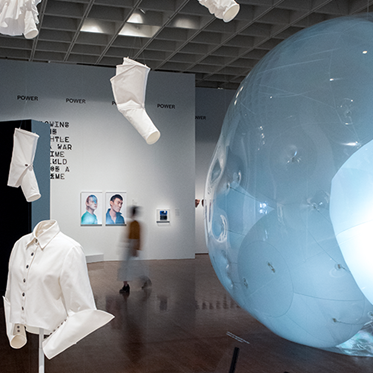
Designs for Different Futures
Through March 8
Through March 8
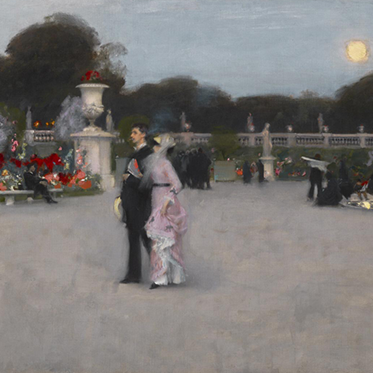
New European Galleries
Ongoing
Ongoing
Horace Pippin:
From War to
Peace
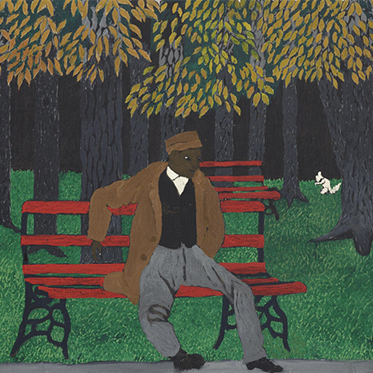
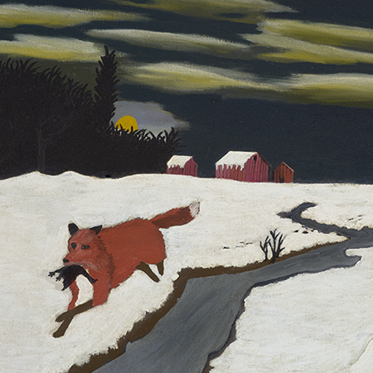
Through December 2020
See how Pippin distinguished himself as one of the most original artists of his generation.


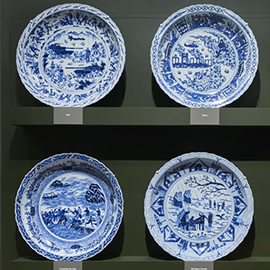
Porcelain Plates by Ai Weiwei
Ongoing
Ongoing
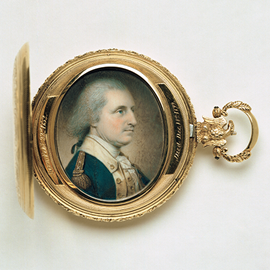
A Collector’s Vision
Opens February 1
Opens February 1

Woodcuts: Groove and Grain
Opens February 28
Opens February 28

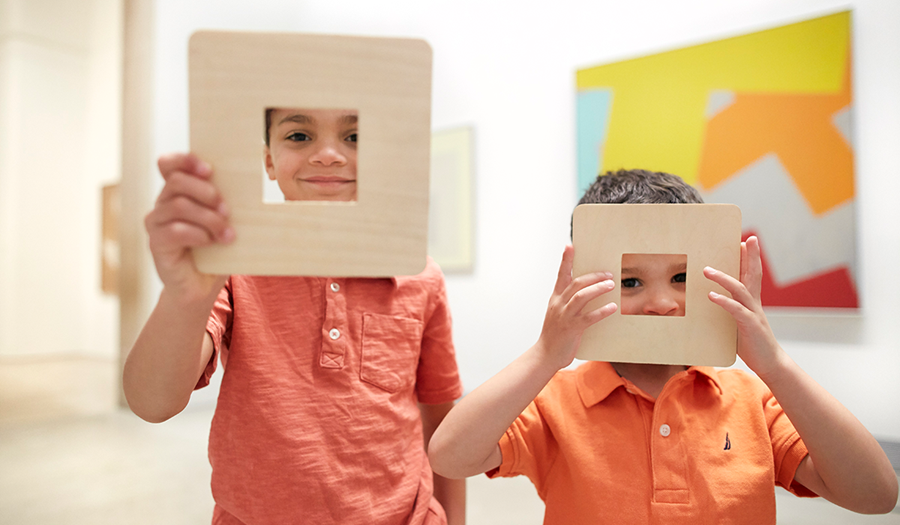

February 2, 10:00 a.m.–3:00 p.m.
Pay What You Wish
People, Places, Paintings: Celebrate Black History Month with a painting party featuring local artist Patricia Thomas, who leads a studio project inspired by the art of Horace Pippin.
Pay What You Wish
People, Places, Paintings: Celebrate Black History Month with a painting party featuring local artist Patricia Thomas, who leads a studio project inspired by the art of Horace Pippin.


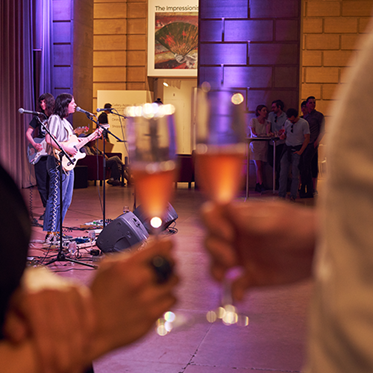
Friday Nights Plus Ticket
February 14, 5:00–7:00 p.m.
Valentine's Day edition
February 14, 5:00–7:00 p.m.
Valentine's Day edition
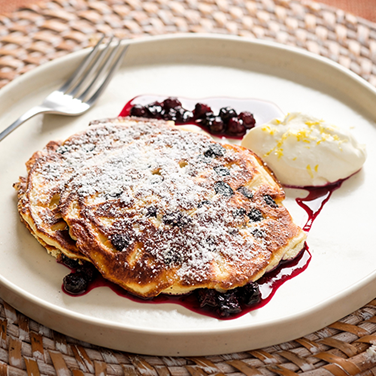
Valentine's Next-Day Brunch
February 15, 11:00 a.m.–3:30 p.m.
Reserve your table: 215-684-7990
February 15, 11:00 a.m.–3:30 p.m.
Reserve your table: 215-684-7990
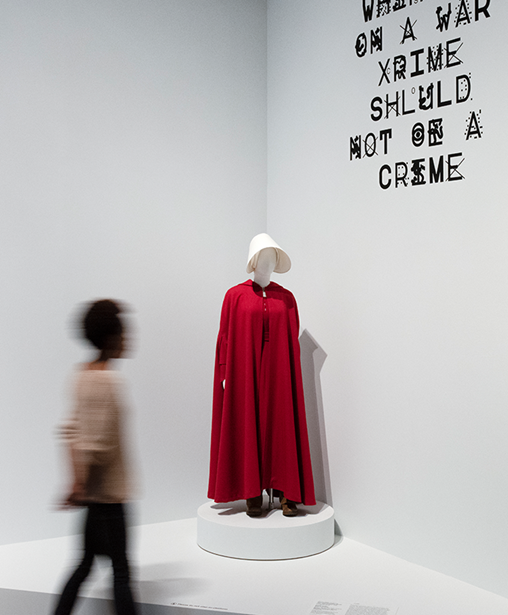
Art + Feminism
February 29
1:00–5:00 p.m.
1:00–5:00 p.m.
Join us for a communal updating of Wikipedia entries about women, trans-men, and nonbinary and gender-fluid people in art and design.

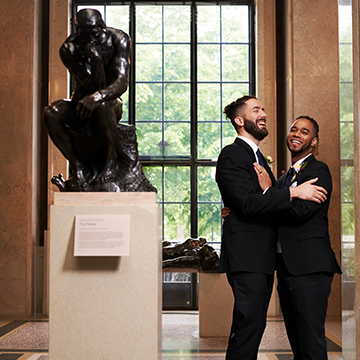
Love at the Rodin Museum
February 14, drop in 5:30–7:30 p.m.
February 14, drop in 5:30–7:30 p.m.
Start your Valentine's evening with us. The Rodin is open late just for members, with archival materials on display. Members and guests free. Reservations required.
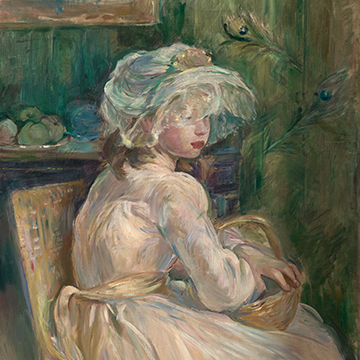
February Happenings
Check out the February For Members for exhibitions, member programs, and offers to help you plan your next visit.





The museum will be open on Presidents' Day, Monday, February 17.

For more information on the exhibitions and programs listed here, including generous donors, please visit our website.
Manhattan Collar (detail), 1979, by Joan Steiner (courtesy Collection of Joanna S. Rose). In the Luxembourg Gardens (detail), 1879, by John Singer Sargent (John G. Johnson Collection, 1917, cat. 1080). The Park Bench (detail), 1946, by Horace Pippin (Bequest of Daniel W. Dietrich II, 2016-3-4). The Getaway (detail), 1939, by Horace Pippin (Bequest of Daniel W. Dietrich II, 2016-3-3). Blue-and-White Porcelain Plates: War, Ruins, Journey, Crossing the Sea, Refugee Camps, Demonstrations, 2017, by Ai Weiwei (On loan from Ai Weiwei Studio, courtesy of Chambers Fine Art, New York). George Washington, 1788, by James Peale (Dietrich American Foundation). Boy with Sunflowers (detail), 1965 (print), 1967 (publication), by Walter Henry Williams Jr. (Gift of Albert J. Caplan, 1967-20-2). Photos by Elizabeth Leitzell. Young Girl with Basket (detail), 1892, by Berthe Morisot (Gift of Helen Tyson Madeira, 1991-180-1).
 |  |  |  |  |
2600 Benjamin Franklin Parkway
Philadelphia, PA 19130
philamuseum.org
Philadelphia, PA 19130
philamuseum.org
Subscribe to:
Posts (Atom)