Showing posts with label European travel. Show all posts

Sunday, November 1, 2026

Gateway to the Black Forest, Nagold Presents Beautiful & Memorable Holiday Traditions

With a sparkling late-night shopping event, an ice rink in the historic town center, and a town hall transformed into a giant Advent calendar, Nagold in the northern Black Forest turns into an enchanting winter wonderland at holiday time. Only one hour southwest of Stuttgart, Nagold is practically the gateway to the Black Forest.

Nagold at Christmas time © Lightworkart, Foto: Manuel Kamuf

Perched on the banks where the Nagold and Waldach rivers come together, the small town of Nagold charms visitors with its compact, walkable old town, colorful half-timbered houses, narrow alleys, and the ruins of Hohennagold Castle towering above the river valley. The town has almost 25,000 inhabitants and a rich history that goes back 2,000 years.

Four Season Destination
As it is practically the gateway to the Black Forest, Nagold is a delightful starting point for hikers and bikers all year round. There are many well-signed posted hiking and cycling trails, including the famous Nagold Valley Cycle Path. Then, with the arrival of winter, the town transforms into one of the region's most inviting seasonal destinations, offering a program filled with light, tradition, and classic German Christmas magic.

The Season of Light and Tradition
A perfect prelude to the Christmas Season in Nagold is the Night of Lights, November 20, 2026. The "Night of Lights" marks the start of Nagold’s winter season. Shops, public squares, and the facades of the old town are bathed in a warm, inviting glow. Stores stay open until 10 p.m., inviting visitors to enjoy a relaxed evening of shopping, strolling, and atmospheric illumination—it is the perfect way to kick off the pre-Christmas season.

Nagold Christmas Market, December 4–6, 2026
For three days in early December, Nagold’s town center transforms into a traditional Christmas market featuring handmade gifts, regional specialties, and the quintessential mulled wine. From many points along the town, visitors enjoy a unique perspective of the market, Vorstadtplatz, and Marktstraße, offering an unforgettable view of the festively illuminated Old Town. Set against a backdrop of historic architecture, the market fosters a warm, family-friendly atmosphere where tradition and community take center stage.

Nagold Ice Rink, late November to early January
The open-air ice rink returns to Nagold again this year, inviting locals and visitors alike to skate under the winter sky. Open from late November through early January, it is a popular gathering spot for families and fosters a sense of conviviality throughout the holiday season.

Town Hall Illumination, late November to Christmas
Every winter, Nagold’s historic town hall transforms into a work of art in its own right. Magical light displays bathe the building in captivating colors and winter-themed motifs. Each evening, a new "door" opens to reveal a fresh, festively lit design, turning the town hall into a nightly countdown to Christmas that draws locals and visitors alike to Marktstraße.

An invitation to experience the authentic Black Forest
Together, these events make Nagold a charming winter destination with a unique character. Combined with its Black Forest location, historic architecture, and easy accessibility from Stuttgart, Nagold offers a compact yet memorable introduction to the region's winter traditions.

Follow for more updates: @AllenBarkus on Instagram and @TraveloreReport on X.


Sunday, October 25, 2026

Travelore Warning: Beware Of Dynamic Currency Conversion When Paying By Credit Card In Europe

When traveling across Europe, one of the most common—and costly—traps you will encounter at the checkout counter or ATM is a feature known as Dynamic Currency Conversion (DCC). While it may look like a helpful service, accepting it can silently drain your travel budget.

What is Dynamic Currency Conversion?

Dynamic Currency Conversion is a service offered by card machines and ATMs abroad that asks if you would like to pay for your transaction in your home currency instead of the local currency. The screen is designed to feel like a courtesy, providing immediate clarity on the transaction cost in a familiar currency. However, saying "yes" allows the merchant's payment provider or ATM operator to set the exchange rate, rather than your own card network.

The Hidden Costs of DCC

While paying in your home currency eliminates the uncertainty of the exchange rate, it is generally the more expensive option. Here is why you should avoid it:

  • High Markups: The exchange rates used in DCC often include a markup over the daily bank exchange rate, which serves as a profit margin for the business or DCC provider. A study by the Norwegian Consumer Council measured an average markup of 7.6% over the official card rate, with peaks as high as 12.4%.
  • Better Bank Rates: Without DCC, the currency conversion is handled by your card issuer at close to the interbank rate. Paying in the local currency typically costs around 1.5% instead, which is the average foreign transaction fee charged by banks.
  • Compounding Fees: Even if a transaction is processed in your home currency via DCC, your credit card company may still charge you an additional foreign transaction fee.

Your Rights and How to Protect Yourself

Major networks like Visa and Mastercard have rules governing how DCC is offered. According to these rules:

  • Merchants and ATMs must give you a clear choice to accept or decline the currency conversion.
  • They must not choose the currency on your behalf or default to DCC without your consent.
  • The provider must disclose the exchange rate used, any additional fees or markups, and the final amount in both currencies.

The Golden Rule for Travelers

The advice is simple: always pay in the local currency. Whether you are buying a coffee in Paris or withdrawing cash in Prague, choose euros, koruna, or the respective local currency. On an ATM screen, this often means selecting "continue without conversion" or "decline conversion". If a merchant processes the charge in your home currency without asking, you have the right to ask them to void it and run it again in the local currency.

Saturday, October 24, 2026

Travelore Tips: The Essential Guide To Visiting the Van Gogh Museum

A visit to Amsterdam wouldn't be complete without experiencing the world's largest collection of works by Vincent van Gogh. Located on the iconic Museumplein, the Van Gogh Museum is an absolute must-do for art enthusiasts, but navigating the crowds and ticketing requires a bit of strategy. Here are the latest tips and practical details to make the most of your visit.

Ticketing: Book Well in Advance

The days of walking up to a box office are over. All tickets must be purchased online for a specific timed entry slot, and the museum regularly sells out weeks in advance. As of mid-2026, standard adult admission is approximately €27. Children under 18 enter for free, but they still require a pre-booked timed ticket.

Best Times to Visit

  • Beat the Crowds: The museum opens at 9:00 AM daily. Booking the first 9:00 AM slot offers the quietest experience.
  • Late Fridays: The standard closing time is 5:00 PM or 6:00 PM depending on the day. However, the museum stays open until 9:00 PM on Fridays, offering a more relaxed atmosphere.
  • Peak Chaos: Avoid visiting between 11:00 AM and 3:00 PM on weekends. This is when the galleries are most congested.

Navigating the Collection

The permanent collection is housed in the Rietveld building across four floors and is arranged chronologically. To see legendary masterpieces like Sunflowers, The Bedroom, and Almond Blossom without the massive crowds, consider heading straight to the upper floors first and working your way backwards. You should budget between 1.5 to 3 hours for a complete visit.

Pro Tips for Your Visit

  • Get the Multimedia Guide: For a few extra euros, the audiovisual guide provides incredible context. It is available in 11 languages.
  • Travel Light: The museum strictly prohibits large bags. They only offer small self-service lockers for coats and smaller items.
  • Don't Combine with the Rijksmuseum: Trying to tackle both of these massive museums on the same day leads to major art fatigue.

Friday, July 3, 2026

Why Holidaymakers Heading To Europe Are Being Warned To Skip The Airport Restaurants

If you have a trip planned to Europe, your usual airport routine—dropping your bags, grabbing a leisurely pint, or sitting down for a nice meal before boarding—needs a serious rewrite.

A wave of travel warnings is hitting non-EU holidaymakers (including British and American travelers), and the message is clear: Do not stop at the airport restaurants until you are completely through passport control. Here is why a pre-flight burger could cost you your entire vacation, and how to navigate the new reality of European travel.

The Culprit: The EU’s New Biometric Border Control (EES)

The days of quick, manual passport stamps are gone. The European Union has fully rolled out its Entry/Exit System (EES). This digital, biometric border program requires all non-EU nationals to have their faces scanned and fingerprints digitally registered upon arrival and departure.

While the individual scan takes just a few minutes, multiplying that by hundreds of passengers on a single flight has created a massive bottleneck.

Current Travel Reality Check:

The New Advice: Travel associations and airlines (including Wizz Air) are now advising passengers returning from EU destinations to arrive at the airport at least three hours early—up from the traditional two.

Massive Queues: Peak holiday hours have seen lines at border control stretch anywhere from two to six hours at major holiday hotspots in Spain, France, and Portugal.

The Strict Reality: Airport staff and airlines have been blunt: if you miss your flight because you were stuck in the passport queue, the next flight out might not be for hours—or days—and it's coming out of your pocket.

Why You Must Skip the Landside/Pre-Security Restaurants

Many travelers make the mistake of sitting down at a restaurant in the main airport terminal before heading through security and passport gates. In the current travel climate, this is a massive gamble.

If you waste 45 minutes waiting for table service, you are actively draining the buffer time you desperately need to clear the biometric checks.

The Golden Rule for Travel: Clear all hurdles first. Do not eat, do not leisurely browse duty-free, and do not linger. Get through security and passport control immediately upon arrival at the airport. Once you are safely at your departure gate, you can track down a snack.

5 Survival Tips for Holidaymakers This Summer

If you want to ensure your European getaway doesn't end in airport limbo, keep these tips in mind:

1. Arrive 3 Hours Early: Do not risk the standard two-hour window. Give yourself the recommended three hours for return flights from the EU.

2. Pack "Line-Friendly" Snacks: Because you shouldn't sit down at a restaurant until you're past the gates, carry lightweight snacks (bars, nuts, crisps) in your hand luggage to keep your energy up while standing in long queues.

3. Bring a Portable Charger: Travelers caught in hours-long queues have reported dead phone batteries, meaning they couldn't access digital boarding passes when they finally reached the front.

4. Download the Official App: Check if the "Travel to Europe" mobile app is operational for your specific destination. It allows you to pre-register some passport data up to 72 hours in advance, which can speed up your kiosk time.

5. Check the 10-Year Passport Rule: Beyond biometrics, ensure your passport was issued less than 10 years ago on the day you enter the EU, and has at least 3 months of validity left from your planned departure date.

The Bottom Line

The airport experience has changed. Prioritize getting past passport control before you prioritize your appetite, and you'll ensure your holiday starts—and ends—on the right foot.

Monday, May 26, 2014

Travelore Tips: Etiquette For Your Travels To Germany

German culture
One of the most fascinating things about travel and learning languages is getting to explore the many different cultures and traditions of each country, and one of the best ways to learn about the people and what they’re like is to learn their cultural etiquette.
Learning about the local etiquette is helpful in many ways, from knowing how to act respectfully towards others to avoiding any unpleasant surprises.
Here are a few tips on German etiquette which we have picked up while living and traveling in Germany …
Greetings & Goodbyes
Although shaking hands is quite a universal custom, Germans tend to take handshaking to the extreme – it’s common to shake hands both when greeting each other and when saying goodbye, to friends as well as strangers.
Also don’t forget to keep eye contact when shaking hands, as this is very important for Germans.
Another interesting thing we found in Germany was that although people are quite reserved in public places, the doctor’s waiting room is an exception – there, everyone says hello and goodbye to each other.
Germans have different words for hello depending on the region – while Guten Tag is common in most places, many Bavarians (people living in southern Germany) find that greeting to be rude – there, they say “Grüß Gott” (greet God) instead.
These small details can make or break your interactions with locals, so it’s worth looking into some local phrases they use in the area you’ll be traveling to.
Tipping & Add-ons
A common “mistake” travelers make is to give waiters too much tip – service charge and VAT are already included in the bill, and although it’s customary to give a small tip, it’s more common to just add up to the nearest Euro, or at the most add 5 -10% of the bill.
For example, if the bill is €7,50, you can hand the waiter a 10 Euro note and say “9 Euros”, and you will get €1 back in change.
The payment is always made at the table by the waiter who served you – make sure to always handle the tip together with the payment, in Germany you never leave the tip on the table when leaving the restaurant.
When paying, cash is king in Germany – many restaurants only take cash and only accept German credit cards.
The most common thing is to split the bill so that everyone in the group pays for what they ordered.
In German restaurants and cafes it’s common to charge extra for small things like whipped cream with your cake and bread rolls while you wait – even McDonalds charges extra for ketchup and Mayonnaise!
In Germany, make it a rule of thumb never to trust a “free lunch”, instead expect that any extras on the table will also cost extra, and if you’re unsure ask the waiter.
Also keep in mind that while the tap water is perfectly safe to drink, it’s often seen as rude to order tap water at a restaurant – and even if you do, you’ll have to pay for it just like any other drink.
Article2-2
Table Manners
When entering a restaurant, don’t wait to be seated – if you do you’ll find yourself waiting for a long time!
In Germany, guests are expected to find their own table, unless you go to a very fancy place – in beer halls, it’s also common to sit at long tables and share them with other strangers.
If someone sits down next to you, you don’t need to talk to them, but it is a great and fun way to meet new people, and that’s part of the beer hall atmosphere.
When toasting your glasses, it’s important to look the person in the eye with whom you are clinking glasses – and don’t forget to say “prost!” (Cheers!) or “Zum Wohl!” (to your health!).
Embrace these etiquette tips and you will have more fun and make more friends when you travel in Germany.
Follow us on Twitter: @TraveloreReport

Monday, February 24, 2014

Travelore Tips:10 Reasons To Visit Hamburg

Most tours to Germany include Berlin, Munich and perhaps the Black Forest or a trip along the Rhine. These are fantastic areas to visit, but there is so much more to Germany. Tucked away in northern Germany, Hamburg, the country's second biggest city, has a personality of its own and is well worth a stop on a trip around Germany.
Here are just a few of the many reasons to visit Hamburg.
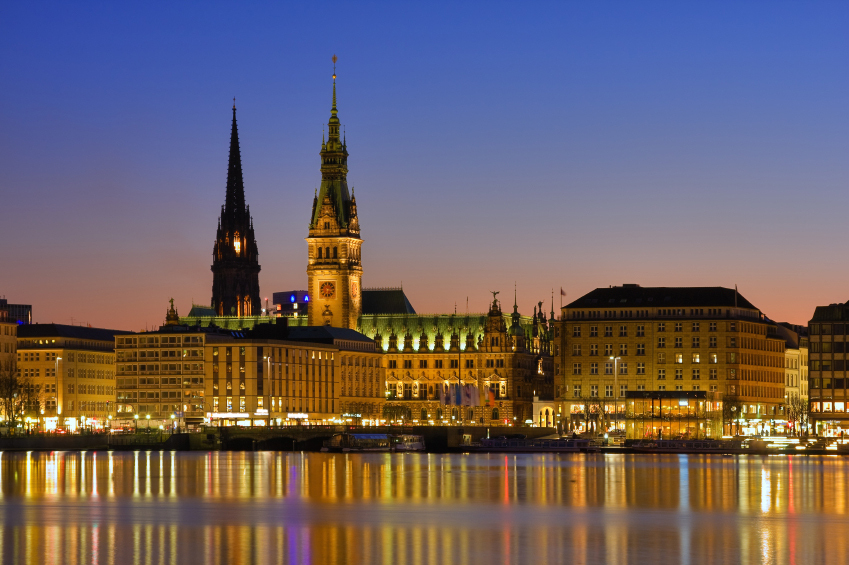
2014-02-19-Hamburg.jpg
1. History
The citizens of Hansestadt Hamburg, the city's official name, are very proud of their home's maritime history. Located on a river that connects the city to the nearby North Sea, Hamburg has been in a significant position for centuries. In 1189 the city was declared an Imperial Free City, meaning Hamburg enjoyed tax-free access up the Elbe River to the North Sea. The city officially joined the Hanseatic League in 1321, and over time became an important trading hub due to its port and harbor. Today it is one of the busiest ports in Europe, and many cruises include Hamburg on their itineraries.
2. Fish
Due to Hamburg's proximity to the sea, it's one of the best places to get fresh fish in Germany. Almost every restaurant has fish and seafood options, and you can get a fish sandwich (Fisch Brotchen) at any market in the city. On Sunday mornings,Hamburg's famous fish market is the place to see the fish stalls in action and get fish straight off the boat. Though Germany is known for sausages, Hamburg is definitely the place to go for aquatic fare.
3. It's not Bavaria
2014-02-19-Hamburgwater.jpg
Lederhosen and Oktoberfest are what so many people imagine when they think of Germany. But this is just a glimpse of Bavaria, not Germany as a whole. A visit to Hamburg provides a different but still very Germanic view of the country. They have their own accent, local beers, and distinct cuisine. Almost anywhere you go, you will be near water, and you can't escape the sea air. The way the city has been built up around the port and the influence the sea has on the city makes Hamburg noticeably different from any other German city.
4. Art and other museums
Art lovers can enjoy seven centuries of art, from medieval to contemporary, in the three different buildings of Hamburg's Kunsthalle. Aside from its permanent collections, the museum receives international recognition for its special exhibitions which attract thousands of visitors a year. For more contemporary art and photography, visit the Deichtorhallen. But there are several other types of museums in Hamburg as well. The Maritime Museum explains Hamburg's history as a trading and shipping center. Spicy's Spice Market is a fun way to learn about the spice trade. One of Hamburg's most popular attractions, Miniatur Wunderland has the largest model railroad in the world, as well as full model cities and a working model airport.
5. Outdoors
Like in most of Germany, Hamburg's residents enjoy spending time outside. Due to its far northern latitude, Hamburg enjoys long days during the summer, encouraging everyone to go outside. Many people use bicycles as their main mode of transportation, even in cold or rainy weather. The city has lots of parks and outdoor spaces, but one of the most popular parks is the Planten und Blomen park in the center of the city. The old botanical garden is located here, as well as the largest Japanese garden in Europe, a tropical house, an open ice rink in the winter, and plenty of children's activities such as playgrounds and miniature golf.
If animals are what you're looking for, visit the Hagenbeck Zoo where you can see more than 200 different animal species as well as a four level aquarium. Sports are also very popular in Hamburg, especially soccer (European football). The city even has two teams, Hamburger SV and FC St. Pauli Hamburg. With so much water around, relaxing along the banks of the river or near the Alster Lakes is a wonderful way to spend an afternoon. Since this is still Germany, find a beer garden and try some of the local brews while enjoying some fresh air.
6. Youthful vibe
With many universities and an active night life, Hamburg maintains a very youthful vibe. St. Pauli and the Reeperbahn area is an area of full of clubs where young people spend their Friday and Saturday nights. More laid back bars can be found in Schanzenviertel. When the weather is nice, lounging in the park or at an outdoor cafe can make anyone feel young at heart. The city just feels more alive, like something fun might be just around the corner. Summer brings plenty of free events to the city for the budget conscious crowd.
7. Boats and water activities
2014-02-19-Hamburgcanal.jpg
Not only does Hamburg sit along the Elbe River, it also has the Alster Lakes located right in the city, just north of the main train station. Go swimming, kayaking, sailing or take a boat tour of the lakes during the summer, or during the winter try ice skating. Hamburg also has a long tradition of rowing. The first rowing club in Germany was founded there. Various clubs train on the Outer Alster Lake, certain sections of the Elbe River, and in some of the city's many canals.
At the Hamburg Port, join a boat tour of the harbor to get a taste of Hamburg's maritime culture up close. Some tours even journey into the canals of Speicherstadt, the largest single warehouse complex in the world. If you would rather watch the boats than ride in them, take a seat at Landungsbrücken and see the port at work.
8. Architecture
2014-02-19-Hamburgarchitecture.jpg
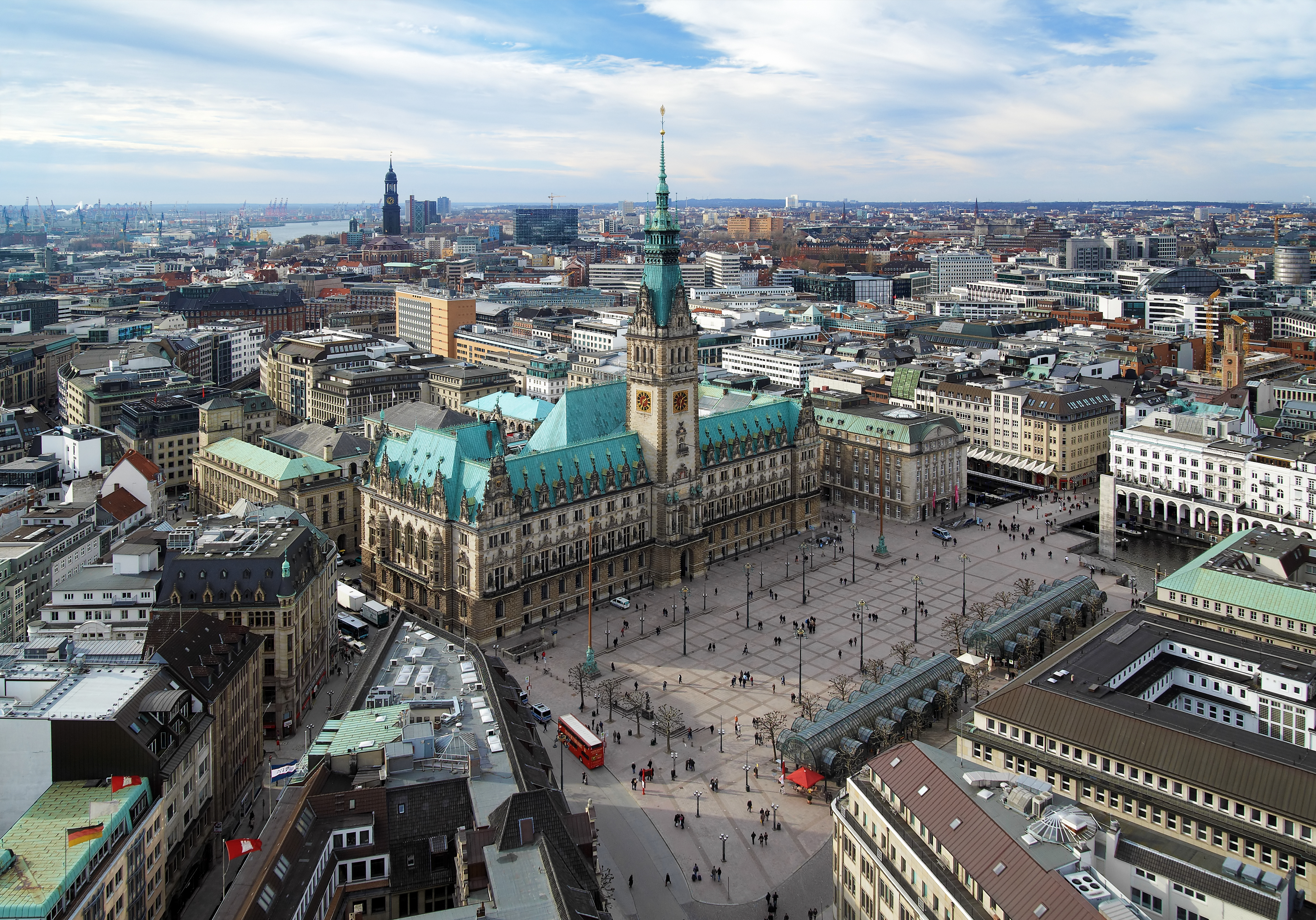
Hamburg has a variety of architectural styles throughout the city. There are many significant churches, including St. Nicholas which was the tallest building in the world for a short time in the 19th century, and St. Michael's where you can climb the bell tower for a beautiful view of the city. Hamburg's Rathaus (city hall) is an elaborately decorated building that was completed in the late 1800s. The city also boasts more bridges than any other city in the world. Take a stroll through the cobbled streets of Speicherstadt to see the brick buildings of the warehouses and the many bridges that cross the canals. In fact Hamburg has over 2,300 bridges throughout the city.
9. Music
Whether you enjoy the loud music of a dark night club or the more calm ambiance of a classical concert hall, Hamburg has you covered. Spend a night in the seedy night clubs in the Reeperbahn area or going to see a performance by the philharmonic at Laeiszhalle. By 2017 the new Elbphilharmonie concert hall is due to open. If the Beatles are your thing, retrace their footsteps in St. Pauli and the Reeperbahn clubs. Many parks, including the Planten und Bloomen park, also have live concerts during the warmer summer months.
10. Shopping district
Germany's wealthiest city offers many shopping opportunities from worldwide names to local boutiques. In the city center you will find typical shopping malls and stores. The most popular street for shopping is Jungfernstieg just south of the Inner Alster Lake. Wander away from the tourist district to find more unique locally owned shops. You never know what you might find, like a shop in Schanzenviertel that sells both shoes and wine.
If Hamburg isn't on your list of places to visit in Germany, it should be. The city has something for everyone, whether you're a history buff, a culture enthusiast, or a shopaholic. Outdoor activities such as boat tours feature heavily in most people's itineraries, but there are plenty of indoor attractions for a rainy day. Break out of the standard tour bus rut, see more of Germany than just Berlin and Munich, and visit Hansestadt Hamburg on the Elbe River for a uniquely German experience.
-Contributed by Alison Garland 

Tuesday, January 28, 2014

Travelore Tips: An Insiders Guide To The Secret Parts Of Paris

paris cafe
derekskey via www.flickr.com creative commons

See and do

Eglise St-Etienne-du-Mont
This is one of my favourite Paris churches, both for its architecture, which is an endearing mix of renaissance and gothic, and as an insight into Paris' history: it is home to the shrine of Saint Geneviève, patron saint of Paris, who saved the city from invasion by Attila the Hun in 451. Inside is a magnificent 16th-century stone rood screen, possibly designed by François 1er's architect Philippe Delorme, and a massive baroque pulpit. The ornate neo-gothic shrine, transferred here when the adjoining abbey church of St Geneviève was demolished in 1807, is surrounded by ex-voto plaques. Combine this visit with the Panthéon on the same square.
Fondation Le Corbusier
The modernist houses and studios of the 16th arrondissement were one of my great discoveries when I first moved here. They are a reminder that for all its historic heritage, Paris is also one of the birthplaces of modern architecture. Corbusier designed these two adjoining villas in 1923-25. Here you find all of his five principles of architecture (stilts, reinforced concrete, roof terraces, strip windows, ingenious built-in furniture), with a fascinating play of volumes and a use of colour that goes far beyond the white box cliché. The foundation also runs Corbusier's apartment-studio at 24 rue Nungesser et Coli, open on Saturdays.
Jardin des Serres d'Auteuil
Also known as "the municipal gardener", these elaborate, late 19th-century greenhouses were built to cultivate plants for municipal parks. The ensemble is grouped around a magnificent central tropical greenhouse, filled with steamy palms, an aviary and pools of Japanese carp. Other greenhouses are devoted to orchids, azaleas, succulents and ferns, while the formal gardens contain many rare trees. Get there before the site is decimated: there are plans to demolish some of the greenhouses to allow room for more tennis courts for Roland Garros next door.
Parc des Buttes-Chaumont
Of all the parks created in the 1860s by Baron Haussmann and his engineer Jean-Charles Alphand, this is the one that I find the most Romantic with a capital R, with its lake and fake crags, bridges, waterfall, giant cedars and unlikely palm trees. There's even a cave, with fake stalactites. Pony rides and playgrounds make it great for kids. The rolling lawns are pleasant for sunbathing or a picnic, although you can also eat at the trendy bar/restaurant/nightspot Rosa Bonheur. Climb up to the Temple de la Sybille, modelled on the temple at Tivoli, for a superb view over Paris.
Musée Marmottan-Claude Monet
This Second Empire villa is one of Paris’s secret gems, with its wonderful array of Empire furniture and the world’s largest collection of works by Claude Monet, most of them donated by the artist’s family. Among the paintings are Monet’s Impression, Soleil Levant, which gave its name to impressionism. I adore Monet's vibrantly coloured late canvases of his water garden at Giverny, as well as Berthe Morisot's affectionate paintings of children. Other impressionist painters on display include Pissarro, Renoir, Manet, Degas and Caillebotte. Don't miss the Sèvres porcelain geographical clock, either, which shows when it is midday around the world.
Musée Bourdelle
This little-known museum built around Antoine Bourdelle's studio and apartment gives an insight into Montparnasse in its artistic heyday. While not a major sculptor, Bourdelle is an interesting in art history, as he was an assistant of Rodin and teacher of Giacometti. He specialised in monumental sculptures, including the frieze for the Théâtre des Champs-Elysées and an equestrian monument to Argentine general Alvear. Another gallery shows how he endlessly reworked the head of Beethoven in different moods. At the rear, a row of studios includes those of Bourdelle and Eugène Carrière, left in atmospherically dusty state. Montparnasse is still littered with artists' studios – look out for the big north-facing windows.
La Conciergerie
While hundreds queue for the Sainte-Chapelle a few doors up, far fewer visit the Conciergerie, yet both were part of the medieval palace of the Capetian kings. With its two impressive vaulted halls, it is one of France's finest secular gothic structures but for me it is also the sight that best evokes the French Revolution. After the monarchy moved to the Louvre, the Conciergerie became a prison and hundreds passed by here on their way to the guillotine. Refurbished prison cells show how conditions varied according to status from communal cells with straw on the floor to furnished individual cells for the privileged. The cell where Marie-Antoinette was imprisoned is now a chapel.

Eat

L'Encrier
Tucked just behind the Promenade Plantée viaduct walk in the historic furniture makers' district of the Faubourg St-Antoine, the friendly, cooperative-run L'Encrier has been one of Paris's best-kept, budget secrets for 20 years. An essentially local crowd and a few in-the-know visitors squeeze in around its simple wooden tables, drawn by the remarkable-value menus and attractive beamed setting. The kitchen, visible behind the white counter, sends out trustworthy, no-nonsense French cuisine with southwestern touches, such as pear with roquefort, duck confit and goose magret, and virtually everyone ends with the excellent chocolate profiteroles.
Michi
Located in the heart of Paris's Little Japan, Michi is a tiny, canteen-like hole in the wall, indicated only by a fish and the word sushi on the facade. It was recommended by a Japanese friend, for some of the best, authentic, and least expensive, sushi and sashimi along rue Sainte-Anne. If you're lucky, bag one of the half-a-dozen places along the counter where you can watch the chef at work, otherwise you'll be squashed into the tiny cellar. There are good-value formules, but go à la carte if you want rarer offerings such as sea urchin and eel.
58 bis rue Sainte-Anne, 75002
L'Ourcine
Reopened after a lengthy restoration of the 17th-century building, this is one of my favourite bistros. I like it for its reliable cuisine, relaxed chatty atmosphere and eclectic Left Bank clientele. Sylvain Danière was part of La Régalade clan in the days of Yves Camdeborde, and he keeps up the credo of revisited regional cuisine, produced from a tiny kitchen spied through a wooden dresser at the rear. Fresh fish delivered daily from Brittany and seasonal game in autumn are particularly good, and there are also plenty of fans for the delicious chocolately desserts.
Bistrot du Peintre
This listed, art nouveau café-bistro has a gorgeous 1902 décor of sinuous woodwork and tiled, allegorical figures of spring and summer. It is much loved by a laidback Bastille crowd for its satisfying, inexpensive cuisine. The choice goes from utterly trad snails or oeuf meurette ((egg poached in red wine), steak tartare and some southwestern French touches – my daughter's a fan of the confit de canard – to inventive salads and creative tomato Tatin with red pepper sorbet, so there's sure to be something to suit different tastes. All-day service is very useful when you’re on holiday. Try to be seated on the more atmospheric ground floor rather than upstairs.

Shop

Marché Place Monge
Paris has over 80 outdoor food markets but this is my favourite, especially on Sunday when it's a busy local rendezvous. Several stalls where you can buy direct from producers remind that the Ile de France and nearby Picardy are still market gardening regions. Specialists sell organic (biologique) salads and vegetables, apples and potatoes, and there are also excellent cheese stalls, fresh fish from Boulogne and Dieppe, and a few other options – DVDs, saucepans and Turkish jeweller Mr Saygi. There's all you need for a picnic in the nearby Jardin des Arènes (the ruins of Paris's Roman arena), including roast chickens, Lebanese snacks and a charcuterie stall that does steaming choucroute.
Marché Aligre
Aligre is actually three markets in one. The outdoor fruit and veg market, famed for the lowest prices in Paris, is an experience all of its own for its crowded, noisy atmosphere and the cries and banter of rival stallholders. Produce, including exotic hot peppers and mounds of coriander, often gets cheaper as the morning progresses, and the crowds are almost suffocating on Sunday. The covered Marché Beauvau is a more upmarket affair with good butchers, a wine stall and Italian deli. There's also a small and very shabby flea market on the square, mainly a source of second-hand books, household china and piles of old clothes.
E. Dehillerin
The legendary kitchen emporium has been supplying professional chefs and keen amateur cooks for nearly two centuries, a relic of the days when cooks came to buy their supplies at the nearby Les Halles wholesale market. Inside, wooden shelves are stacked high with every imaginable pan and utensil, spatulas and ladles, obscure paring knives, moulds and truffle graters, and items come in every size, whether you are cooking for one or for five hundred. Experienced staff can lead you to exactly what you want.

Drink

Le Comptoir Général
Le Comptoir Général bills itself as a "ghetto museum", a not-for-profit exhibition space, bookshop, bric-a-brac store and bar, all of whose takings go back to the entreprise's charity concerns. The bar, Le Rade, is arguably the centre of attention. The "shabby chic" furniture is accompanied by African curiosities, school chairs and stuffed animals. The signature cocktail, the "Secousse," is a secret recipe containing bissap, an infusion of hibiscus flower. Check the calendar of events on the website or ring in advance: though the bar is generally open to the public, it is often hired out for private events. It's also worth coming in the week, as queues at the bar at weekends can be horrendous. Although drink prices are low, a donation is required on entry.
These recommendations, and hundreds more, can be found in the free Telegraph Travel Guides app

Contributed by Natasha Edwards,
The Telegraph.

Read more: http://www.businessinsider.com/a-guide-to-the-secret-parts-of-paris-2014-1#ixzz2rjuymplq