Showing posts with label French wine. Show all posts

Sunday, September 27, 2020

New Weapons Against The Most Notorious Vineyard Diseases

A tractor at Champagne Louis de Sacy, armed with garlic spray. It is also rumored to ward off Champires. (Anthony Chaudron)


A Champagne vine expert and a Bordeaux lab have developed potential keys to winning winemakers' eternal war with powdery and downy mildews

 Winemakers have numerous adversaries: phylloxera, smoke taint, birds and saboteurs, to name just a few. But one of their most persistent foes has been that oddly unthreatening-sounding scourge, powdery mildew (aka oïdium). This fungal disease, a menace to wine regions around the globe, creeps its way across vines’ leaves and onto grapes, ultimately choking yield and quality if not managed. Given the damage it inflicts, winemakers have long wondered what can be done to stop its spread. Some vintners turn to sulfur sprays, some to synthetic fungicides. But for French vineyard specialist Anthony Chaudron, the new weapon of choice is a familiar friend to gastronomes and chefs: garlic.

“Garlic is an anti-fungal, so it naturally fights off powdery mildew,” Chaudron told Unfiltered via email. “[It] reverses the [vines’] pH. The fungus no longer feels comfortable on the [vine].”

Chaudron first heard of using garlic as a preventative fungicide almost a decade ago. Gardeners and farmers have known for a long time that the foodstuff was a fungus fighter, which could be attributed to garlic's high concentration of allicin, a sulfur-based acid with several supposed health benefits for humans and plants alike. With the help of his friend and associate Jonathan Sacy, now the operations manager at his family’s winery, Champagne Louis de Sacy, Chaudron was able to do full-scale vineyard trials of garlic spray on 22 acres of vines, determining that his scampi-friendly method does the best job of keeping oïdium at bay (as far as produce goes).

Tractor in Champagne vineyards
Another tractor goes to war at Champagne Louis de Sacy (Anthony Chaudron)

“To my knowledge, I don't know of anyone who uses this method in Champagne,” said Chaudron, besides Louis de Sacy. “So I might be the first to use garlic against powdery mildew.” Now, the mildew-busting pair use organic garlic from France’s Lorraine region, macerating it in oil for 12 to 24 hours before making it into a rainwater-based spray. The spray is applied long before harvest in the growing season, so garlic aromas in the grapes are not an issue.

Per Chaudron, the use of garlic doesn’t break any of Champagne’s strict viticultural regulations and could even benefit winemakers’ wallets, being a cheaper alternative to sulfur. Some members of the Champagne community have been skeptical of his technique, he claimed. Nonetheless, Chaudron is hopeful that his pungent protective can fight the good fight at other estates. “Obviously, this method should become more widespread in all vineyards,” he said.

But the crisper drawer isn’t the only source of potential mildew solutions. On the laboratory side, a group of researchers have been developing a way to keep another disease, downy mildew, out. Simply put, they’re looking to throw off the flirting game of the microorganism that causes it.

Plasmopara oospores
The deviants in the act of germinating: Plasmopara oospores, left ((c) INRAE, Isabelle Demeaux)

The idea appears in new paper published last month in Current Biology, “Identification of the first oomycete mating-type locus sequence in the grapevine downy mildew pathogen, Plasmopara viticola,” based on work from researchers at France’s National Research Institute for Agriculture, Food and the Environment (INRAE) in Bordeaux and a few partner labs. The paper’s chief researcher, François Delmotte of the INRAE, gave us the lowdown on what it all means.

Delmotte and his team researched the DNA of several strains of Plasmopara viticola, the microorganism responsible for causing downy mildew in vineyards, taken from afflicted Cabernet Sauvignon, Chardonnay and other varieties. (Powdery mildew is a true fungal disease, while downy mildew is not; they tend to prefer different climate conditions and present similar, but distinguishable, patterns of infection on vines.)

“The discovery we have just made is fundamental,” said Delmotte. “We have identified the mating-type locus of grapevine downy mildew.” That's the part of the microorganism’s genome relating to mating and reproduction compatibility. Now that researchers know the genes that spur plasmopara’s reproduction, they could one day understand how to interrupt the organism’s microscopic mating rituals. Add this to research from Japan that identified the hormones involved in a similar microorganism's reproduction, and science is arming up to shut down downy mildew epidemics.

Plasmopara oospores
The telltale yellow-red-brown spots of downy mildew on a grapevine leaf ((c) INRAE, F. Delmotte)

This practical application isn’t science fiction. It's been done before. Between 1974 and 1995, INRAE found a method to fight another vineyard pest, Lobesia botrana—the European grapevine moth—by disturbing its mating cycle with artificial pheromones, confusing communication between the female and male moths. “Today, up to 10 percent of the French vineyards [are using] ‘mating disruption,’” Delmotte observed. “The [new] method, when it will be fully developed, would prevent the epidemics [from starting].”

This technique could be used to defend crops other than vines, too. Potatoes are susceptible to another, similar microorganism. But more research is necessary: Next up, Delmotte’s team is planning to identify the exact genes involved in downy mildew’s mating hormone signals. They're also trying to reconstruct the history of its invasion of Europe from North America centuries ago, to determine how these shenanigans got started in the first place.

Contributed by By 


Source: https://www.winespectator.com/articles/sex-and-garlic-new-weapons-against-the-most-notorious-vineyard-diseases-unfiltered

Monday, January 29, 2018

2015 Wines: A Very Good Year For Bordeaux


2015 is a very good year for the wines of Bordeaux. This is the year fruit rose to stardom and tannins and acidity realized important supporting roles. August rains and cool nights brought balance to the crop after several weeks of drought in the early summer.
Location, Location, Location
The Bordeaux region is equidistant between the North Pole and the equator. The 45th parallel appears to offer an ecosystem that is noted as being ideal for the over 6 thousand winegrowing estates in this geographical area.
Grape Superstars
Cabernets and Merlots hold the leading roles for red wines (over 90 percent of wines produced), while Sauvignon and Semillon are the headliners for dry and sweet whites.
Vine to Wine: Checking In

On a very cold, damp, and otherwise horrible afternoon in Manhattan, swirling and sipping the wines of 2015 Bordeaux at Cipriani’s 42nd Street converted bank building appeared to be a perfect way to spend this precious (and dismal) mid-week afternoon. As a Cathedral of Commerce, the former Bowery Building (built in 1921 by architects Edward York and Philip Sawyer) offers guests a step back in history, grandly showcasing Italian Renaissance design complete with marble columns, 65-ft high ceilings, old world chandeliers along with stone carved figures and motifs that symbolize money.

Cheese and More Cheese
It is never a good idea to drink wine on an empty stomach – so the first stop for wine aficionados started at the buffet table that offered the hundreds of wine industry professionals a cheese assortment, alongside olives, fruits, vegetables, bread sticks and rolls.

The Union des Grands Crus de Bordeaux

Hundreds of wine industry leaders found their way to crowded tables to sample wines from Graves, Pessac Leognan, St. Emilion Grand Cru, Pomerol, Listrac-Medoc, Moulis-en-Medoc, Haut-Medoc, Medoc, Margaux, St. Julien, Pauillac, St. Estephe, and Sauternes et Barsac.
Curated Selections:
  1. Chateau Villemaurine Rouge. 2015. 80 percent Merlot, 20 percent Cabernet-Franc

In the 7th century the Villemaurine name is found at a Moors camp at a site originally termed Ville Maure. It is also the locale where Emilion, a monk, settled in the 8th century. In the 17th century, Villemaurine was transferred to Antoine Limouzin – the first Clerk in the port of Libourne. Prior to the French Revolution, the estate was in the hands of Jean Combret de Faurie who also owned Chateau Soutard. By the end of the mid-18th century there was an established vineyard and the owners stopped farming all other crops. At the beginning of the 19th century, Jacques Combret de Milon inherited the estate and then it was acquired by to Jean Laveau. The estate continued to change ownership throughout the 19th century. By 1874, the “Feret” (Bordeaux wine directory) mentioned Villemaurine as a “Saint Emilion First Growth.” In 1893 the parcels were joined into one vineyard by Raoul Passemard and received acclaim at the Bordeaux International Exhibition. At that time, Chateau Villemaurine was referred to as one of the best Saint-Emilion “First Growths” and won awards at various international events. In 2007 the Chateau was purchased by Justin Onclin who recently brought Hubert de Bouard of Chateau Angelus to the winery as a consultant.
Chateau Villemaurine includes 30 acres in the heart of the Saint-Emilion limestone plateau.  The fruit is fermented in double-walled stainless steel vats for approximately 20-25 days; malolactic fermentation takes place in French oak barrels for 16-18 months, (70-90 percent in new oak and the rest in second-fill barrels) and bottled at the estate for 18-20 months.
Notes:

Deep ruby red to the eye and a wave of sour cherries and young strawberries tempered by a whiff of green fir trees pleasures the nose. Rich in soft tannins that are enhanced by wood and earth, tobacco and leather offersexciting taste adventures. Complex, impeccably balanced, long delicious lush finish encourages a reach and pour for the next glass.
  1. Chateau Giscours. Crus de Margaux. Appellation. Bordeaux, commune Labarde. 60 percent Cabernet Sauvignon, 32 percent Merlot, 5 percent Cabernet Franc and 3 percent Petit Verdot.

Classified as one of the 14 Troisiemes Crus (Third Growths) in the Bordeaux Wine Official Classification of 1855. The terroir includes deep gravels from the Garonne River and sand from the Ice Age. The vines range in age: from 4-10 years – 15 percent; 10-25 years – 50 percent and 25 years – 33 percent; handpicked followed by hand-sorting. Vinification: Concrete and stainless steel tanks.  Aged in 100 percent French oak barrels (fine grain and medium toast). Ageing time: 15-18 months. Racking: every 3 months with candle Fining –with egg white albumen.
The President of the Chateau is Eric Albada Jelgersma and General Manager is Alexander van Beek. The Consulting oenologist is Denis Duborudieu.

Notes:
Dense and deep maroon to the eye with a bouquet to the nose that is rich and powerful sending flashes of light fresh cherries, strawberries, leather, pipe tobacco, oak and leather with a hint of bananas to the palate. This complex wine offers layers of soft tannins, deep cherries, and oak barrels that lead to a long and delicious finish.
  1. Chateau La Lagune. Haut Medoc 65 percent Cabernet Sauvignon, 30 percent Merlot and 5 percent Petit Verdot
17
Chateau LaLagune dates back to the 16th century, during the reign of King Henri IV. At this point in history, Dutch engineers initiated the modern age for Bordeaux by draining the water from the marshes and swamps. The Chateaux was built in 1715 by Baron Victor Louis (who also designed the Grand Theater of Bordeaux). The LaLagune Chateau’s fame started in the mid-18th century and was owned by the de Seze family for many generations.
The vineyards uses 100 percent organic farming techniques, having earned their certification with the 2016 vintage. The wine is fermented in 72 different, temperature controlled, stainless steel vats to allow for parcel -by- parcel vinification. Malolactic fermentation takes place in vat and the wine is blended before the aging process is started. The wine is aged between 50-60 percent in new French oak barrels for 18 months before bottling.
Notes:
The eye appeal trends from deep garnet to light coral pink. A mélange of fruits delivers ripe black cherries blended with fresh sweet tobacco, leather, earth and roasting chestnuts that rewards the palate. The perfectly balanced finish conjures up images of après-skiing, huge roaring fires and cushy leather chairs.
  1. Chateau Doisy Daene. Region/Appellation – Barsac; Country: Sauvignon Blanc, Bordeaux, France; Varietal: Sauvignon Blanc and Semillon
Located in Barsac, in the Sauternes appellation, this Chateau has been in the Dubourdieu family since the early 20th century, engaging three generations in the enterprise. The terroir of the Barsac plateau highlights a layer of clay sands (Barsac red sands) above a chalky subsoil. The cracked calcareous rock layer limits the rooting depth of the vine to approximately 20 inches. The water is stored within the slightly porous rock throughout the summer and dispensed to the vine during the winter, preventing too much water. The soil nurtures the making of elegant and distinguished white wines. Fermented in barrels. Ageing – 8 months with the lees regularly stirred.
Viticulture: traditional ploughing with no weed killer introduced. Organic manures are made with vegetal-based composts. Bud removal, trellising and leaf removal are done by hand. To balance the carbon footprint, a forest area equal in size to the vineyards is maintained.
Notes:

Lordy, Lordy, this is a delicious wine. Think of bright yellow apples and you can imagine the hues of this wine. The nose does a “happy dance,” inhaling honey, honey suckle, a Monet blend of citrus with grapefruit, lemon and lime highlights with flashes of bananas. Soft and seductive on the palate, delivering lush blends of citrus and honey-buttered bread. A drop of acidity takes it from sweet to striking.

  1. Chateau Suduiraut Premier Cru Classe en 1885. Sauvignon Blanc -94 percent, Semillon – 6 percent. This Suduiraut delivers 123 grams per liter of residual sugar and 4.56 grams per liter of acidity.
It may be hard to accept, but it is ROT that makes Sauterne so very extraordinary. The vineyards of Sauterne and Barsac make the areas around the Garonne and Ciron rivers their resting points. In the early autumn The Garonne is warm and when the cool spring-fed water of the Ciron feeds into it the temperature differences create an evening mist. In this case fog is a good thing as it creates the ideal conditions for Botrytis cinerea, Noble Rot.
Here again, MOLD is a good thing because it is vital to Sauterne. The Noble Rot creates tiny holes in the grape skins and the water inside evaporates and concentrates the juice. The mold chemically alters the juice, usually Semillon and Sauvignon Blanc, adding to the complexity and aroma. The mold is not a one – off so the best chateaux harvest multiple times and may even go through the vineyard selecting berry by berry.
Success is determined by the sweetness of the wine plus its liveliness that is dependent upon acidity and spice plus a mélange of flavors that includes tobacco, mint, oak, orange, saffron and jasmine brought together in honeyed ecstasy.
Chateau Suduiraut dates back to the mid-16th century in Satuerne. In the 17th century Count Blaise de Suduiraut hired the designer of the gardens of Versailles to plan the grounds, lakes and greenery of Chateau Suduiraut. Currently the estate is owned by the French insurance company AXA who also holds Chateau Pichon Baron in Pauillac and Chateau Petit Village in Pomerol.
Notes:
Golden to the eye, with lemons, limes, honey, bananas, kiwi, apricots, pears mixed with sunshine softly delivered to the nose. Look out for an OMG palate experience that carries botrytis spice and rich vivid fresh lemons and limes mixed with honey to the palate leaving a sweet but not saccharin finish that suggests juicy golden yellow raisins.
For additional information www.ugcb.net

Source: http://wines.travel/2015-wines-good-year-bordeaux-3055/

Sunday, August 27, 2017

Alsatian Wines Strike A Balance Of Dry And Sweet #Wine #FrenchWine


Photo

André Ostertag of Domaine Ostertag in the Alsace wine region of France.CreditPascal Bastien for The New York Times
EPFIG, France — The Muenchberg vineyard outside this small town is considered one of the best in Alsace. It’s among several dozen in the region that have earned the status of grand cru, vineyards from which the wines have the potential to transcend the qualities of the grapes to express the character of the place.
While the notion of grand cru in Alsace reaches back only a few decades, the individuality of Muenchberg has been recognized for centuries.
Cistercian monks first planted vines in a natural amphitheater in the foothills of the Vosges Mountains in the 12th century. Perhaps for them the potential greatness of Muenchberg was evident in its complexity: diverse exposures angled in all directions and wide-ranging soils including red sandstone with lots of iron and quartz, volcanic sediment and limestone.
From any angle, however, the vineyard is gorgeous. The light is pure, and the breeze fresh.
“Grand crus are always beautiful places where you feel the force and energy,” said André Ostertag, proprietor of Domaine Ostertag, which has holdings in Muenchberg as well as numerous other plots in the middle and northern parts of the Alsace growing region. “In any strong terroir, you have the feeling of the place.”


Olivier Humbrecht of Zind Humbrecht in his cellar. CreditPascal Bastien for The New York Times

The Alsace wine region, from Mulhouse on the south to Strasbourg on the north, is full of beautiful places and great terroirs. This long, narrow slash of rolling hills and pretty half-timbered towns between the Vosges on the west and the Rhine to the east has its share of great growers and winemakers, both older masters and young up-and-comers.
Alsace also has an image problem. Or, to be more precise, in the United States it faces the absence of one. Ask a young person about the wines of Alsace, and chances are you will be met with a blank stare. The best wine lists in New York may have only a handful of Alsatian bottles, and the hipper lists none at all.
Yet no region in France has a higher percentage of organic or biodynamic growers than Alsace, which theoretically should attract the keepers of natural wine lists.
It is time for a deeper look at Alsace, where I spent a few days this year visiting a range of producers. I tasted many wonderful wines, like Mr. Ostertag’s 2015 riesling from the Muenchberg vineyard, savory and saline, full of power and finesse. And, for a wine of less grandeur, his 2015 sylvaner, a grape practically unknown in the United States, is floral and zesty.


Bottles of Domaine Ostertag wines before labeling. CreditPascal Bastien for The New York Times
Alsace did not always draw a blank in America. In the 1980s, when I was first learning about wine, the slender bottles from Alsace were known as delicious high-quality values, dry contrasts to the generally sweet wines from Germany made from a similar set of grapes.
It helped that André Soltner, the superstar chef and owner of Lutèce, New York’s leading restaurant back then, was Alsatian. His list was full of the top names of Bordeaux and Burgundy, but the wines of Alsace were his favored selections with the cuisine.
In the ’90s, estates like Zind Humbrecht became critical darlings. But the wines also seemed to ebb from the general consciousness and slowly slip away.
The problem was that over time, too many of the historically dry wines of Alsace were sold with residual sugar in them. These wines were sweet, heavy and out of balance, with no indication of sweetness on the label. The problem is not new, and much has been done to rectify it. But the perception appears to linger.


Bottles of Domaine Ostertag wines before labeling. CreditPascal Bastien for The New York Times
Alsace did not always draw a blank in America. In the 1980s, when I was first learning about wine, the slender bottles from Alsace were known as delicious high-quality values, dry contrasts to the generally sweet wines from Germany made from a similar set of grapes.
It helped that André Soltner, the superstar chef and owner of Lutèce, New York’s leading restaurant back then, was Alsatian. His list was full of the top names of Bordeaux and Burgundy, but the wines of Alsace were his favored selections with the cuisine.
In the ’90s, estates like Zind Humbrecht became critical darlings. But the wines also seemed to ebb from the general consciousness and slowly slip away.
The problem was that over time, too many of the historically dry wines of Alsace were sold with residual sugar in them. These wines were sweet, heavy and out of balance, with no indication of sweetness on the label. The problem is not new, and much has been done to rectify it. But the perception appears to linger.


A glass of Zind Humbrecht wine in the tasting cellar.CreditPascal Bastien for The New York Times

Mr. Ostertag attributed the increasing sweetness to American critics who favorably rewarded those wines. “The sweeter the wine, the higher the score,” he said. “More and more wine appeared with sweetness and nothing more.”
Winemakers in Alsace have been working on solutions to the sweetness issue for years now. Partly, the problem was the result of idealism. Producers like Zind Humbrecht and Domaine Marcel Deiss, who work organically and biodynamically, were loath to pick grapes before they achieved absolute ripeness. They refused to add powerful store-bought yeast to complete fermentations that the indigenous yeast had not finished, which left residual sugar in the wine.
Over time, Olivier Humbrecht, whose family owns Zind Humbrecht, adjusted his viticulture so that ripeness could be achieved with less sugar in the grapes. You can taste the difference. Bottles that I used to find almost syrupy are now sharp and focused, even when they do have some residual sugar.
For years, Zind Humbrecht has put a code on its label to show the level of sweetness consumers can expect. The numbers, or indices, run from 1 (dry) to 5 (rich and sweet). I tasted a 2015 riesling from the Clos Häuserer vineyard, marked Indice 3, that was clearly sweet, yet it was vibrant and refreshing, with a balancing zing of acidity that I would not have found a decade ago.


The Zind Humbrecht estate in Turckheim, France. CreditPascal Bastien for The New York Times

Zind Humbrecht’s dry 2015s are lovely, including a fragrant gentle muscat from the grand cru Goldert vineyard and a deeply mineral, concentrated riesling from the grand cru Brand vineyard. I was especially impressed with their pinot gris, a grape that seems particularly susceptible in Alsace to cloying heaviness.
“There’s a lot of work done in the vineyard getting the precision right in pinot gris,” said Jolene Hunter, Zind Humbrecht’s export manager. “If you hesitate for a day, the acidity drops massively and alcohol shoots up.”
The 2014 pinot gris from the Rotenberg vineyard was beautifully balanced, fruity and saline, deliciously refreshing.
At Domaine Marcel Deiss, Jean-Michel Deiss and his son, Mathieu, have also been working in the vineyard to achieve riper grapes with less sugar. Mathieu Deiss’s side project, Vignoble du Rêveur, allows him to experiment with techniques popularized in natural wines: macerating white wines with their skins in the manner used for making red wines, fermenting and aging in amphoras, and working without sulfur dioxide, the stabilizer used in most wines.


Photo


From left, Jean-Michel and Mathieu Deiss of Domaine Marcel Deiss. CreditPascal Bastien for The New York Times

The 2015 Vignoble du Rêveur Singulier Sec is, like many of the Deiss wines, a blend of different grapes, in this case riesling, pinot gris, pinot blanc and pinot noir. It’s a beautiful amber, textured and tannic, bone-dry, fresh and energetic. It reminded me of the wines of Radikon, the great producer from Friuli-Venezia Giulia.
Residual sugar does have an important place in Alsace, as long as the wines are balanced and consumers know what to expect. But Deiss leaves this responsibility to the wine trade and to consumers themselves rather than indicating on its bottles the characteristics of its various bottles.
For example, the Engelgarten wines — from a gravelly terroir where muscat, pinot gris, pinot noir and riesling grow together — are generally dry, earthy and savory. But wines from the limestone Grasberg vineyard — combining riesling, pinot gris and gewürztraminer — are invariably floral, spicy and sweet, though balanced by excellent acidity.
“The nature of this vineyard is the expression of residual sugar,” said Marie-Hélène Cristofaro, commercial director and enologist for Deiss. “The wine never completes fermentation. This balance comes from nature.”


Sampling a pinot noir at Domaine Valentin Zusslin. CreditPascal Bastien for The New York Times

She said, though, that Mathieu Deiss’s experiments indicate that fermentation can go more smoothly with skin maceration, and suggested a future application in wines like the Grasberg.
“It raises new questions,” she said.
At Domaine Valentin Zusslin, where Marie Zusslin and her brother, Jean-Paul, have managed the estate since 2008, there is no question about which wines are dry and which is not.
“In Alsace, heavier, sweeter wines were understood,” she said, noting that that is not the case internationally. To eliminate confusion, the Zusslin wines are dry unless clearly indicated.
From the Clos Liebenberg, a southeast-facing vineyard outside Orschwihr in the southern part of the region, you can see the Swiss Alps on a clear day. Riesling is planted in rows and on terraces. Beehives are nearby for honey and pear trees for making eau de vie. Like all of the Zusslin estate, it has been farmed biodynamically for almost 20 years. Each element of the undulating terrain is different, with varying microclimates, exposures and soils.


Marie and Jean-Paul Zusslin of Domaine Valentin Zusslin in Orschwihr, France.CreditPascal Bastien for The New York Times
“To observe is paramount,” Ms. Zusslin said, a key tenet of biodynamic viticulture.
The Zusslin wines reflect this precision. They are characterized by acidity, energy and a savory quality that I can only describe as saltiness. I especially liked the lively 2014 sylvaner and the gentle 2014 riesling, both from the Bollenberg vineyard, along with the mineral 2013 riesling from the grand cru Pfingstberg vineyard and the linear 2013 riesling from Clos Liebenberg.
Alone among the estates that I visited, the venerable Maison Trimbach did not acknowledge any confusion in the marketplace about its wines.
The United States is its biggest market, said Pierre Trimbach, who oversees the winemaking, and Trimbach continues to do well there.
Perhaps that is because Trimbach has never deviated from its policy of clarity in its labeling. Consumers know that its wines, like the great riesling Clos Ste.-Hune and the more affordable Cuvée Frédéric Émile, are going to be dry. But when I said this to Mr. Trimbach, he grimaced.
Balanced. I can live with that.
Follow NYT Food on FacebookInstagramTwitter and PinterestGet regular updates from NYT Cooking, with recipe suggestions, cooking tips and shopping advice.

Sunday, August 20, 2017

Some Of Our Favorite Wines, A Growing List... #Wine

Les Dauphins Cotes du Rhone Reserve proved to be an excellent choice for a recent picnic, from the Rhone Winery of the Year at the 2015 New York International Wine Competition.
 An excellent Greek dry rose, Monolithos Kitma Bairaktaris 2016,was well matched to mussels in white sauce and Brussels sprouts.
Served at the Clement at the Peninsula Hotel in New York - pinot noir from Patagonia, a 2012 Bodegas Chacra 'Cincuenta Cinco'.


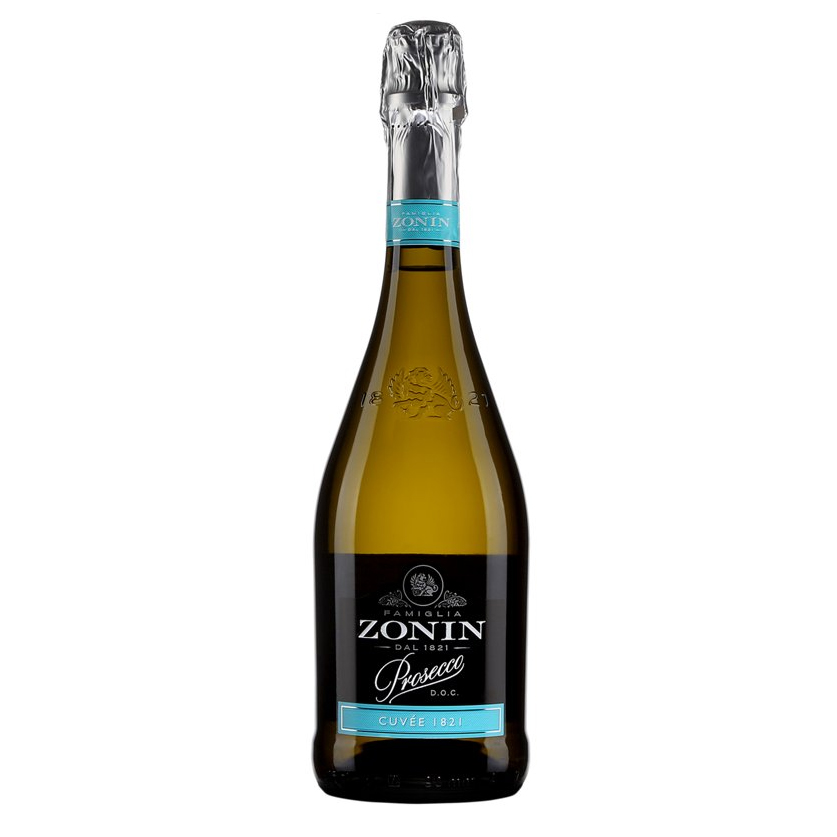
Award winning Zonin Prosecco is an excellent choice for an affordable elegant Valentine's dinner or any other romantic occasion with a suggested retail price of only $12.99. Expect a dry finish with an abundance of almond and citrus undertones. Winemakers Challenge Competition - 95 Points - Platinum Medal.

Zonin Rose, available in a 3 pack at a suggested retail of only $10.99 is a very good choice for a romantic picnic. Expect hints of wisteria and Renatta apples, along with floral and almond notes.


Sunday, January 8, 2017

10 Best Wine Travel Destinations For 2017


From the classic climes of Provence, London and the Rheingau to wild and dramatic vino-adventures in Salta, Sicily and Bulgaria, Wine Enthusiast's roundup of top spots offers something for everyone with a passport and a will to explore beyond the glass.

Cafayate | Argentina

A high-altitude enclave in Argentina, Cafayate is home to some of the world’s most exciting Malbec, magical scenery, local crafts and unique gastronomy.

Thracian Lowlands | Bulgaria

Bounded by the Black Sea to the east and Greece to the south, Bulgaria’s Thracian Valley combines archaeological wonders with modern wines.

Canary Islands | Spain

A windswept volcanic archipelago off the coast of Africa, wine from the Canary Islands has been held in high esteem since at least the time of Shakespeare.

Marlborough | New Zealand

The heartbeat of the region? Marlborough’s many cellar doors. Travel into the countryside and explore small corners of wineries to expansive restaurants.

Provence | France

A sun-kissed region in Southeastern France, Provence conjures up visions of dry rosés, olive tree groves, lavender fields and the glistening sea.

London | United Kingdom

Source: www.luxurytravelmagazine.com

A vibrant center for art and culture, London is a city where you can find wine from every country. Don’t miss trying England’s sparkling wines, either.

Calistoga | USA

Healing hot springs, mud baths, world-class resorts, restaurants and wineries are all available in Napa Valley’s northern anchor, Calistoga.

Sicily | Italy

Sitting just off the tip of the boot-shaped peninsula of Italy, Sicily offers beaches, volcanoes, ancient ruins and great wine and food.

Rheingau | Germany

Less than half an hour from Frankfurt, the villages of Rheingau dot the banks of the Rhine with historic vineyards, charming towns and wine discoveries.

Hood River | U.S.A.

Overlooking the Columbia River, Hood River is an adventure sport travel destination with access to wineries, brewpubs, cider houses and distilleries.

Photo credit: Tentuta San Michele, Sicily / Photo by Andrea Savini