Showing posts with label #FrenchWine. Show all posts

Sunday, August 20, 2017

Some Of Our Favorite Wines, A Growing List... #Wine

Les Dauphins Cotes du Rhone Reserve proved to be an excellent choice for a recent picnic, from the Rhone Winery of the Year at the 2015 New York International Wine Competition.
 An excellent Greek dry rose, Monolithos Kitma Bairaktaris 2016,was well matched to mussels in white sauce and Brussels sprouts.
Served at the Clement at the Peninsula Hotel in New York - pinot noir from Patagonia, a 2012 Bodegas Chacra 'Cincuenta Cinco'.


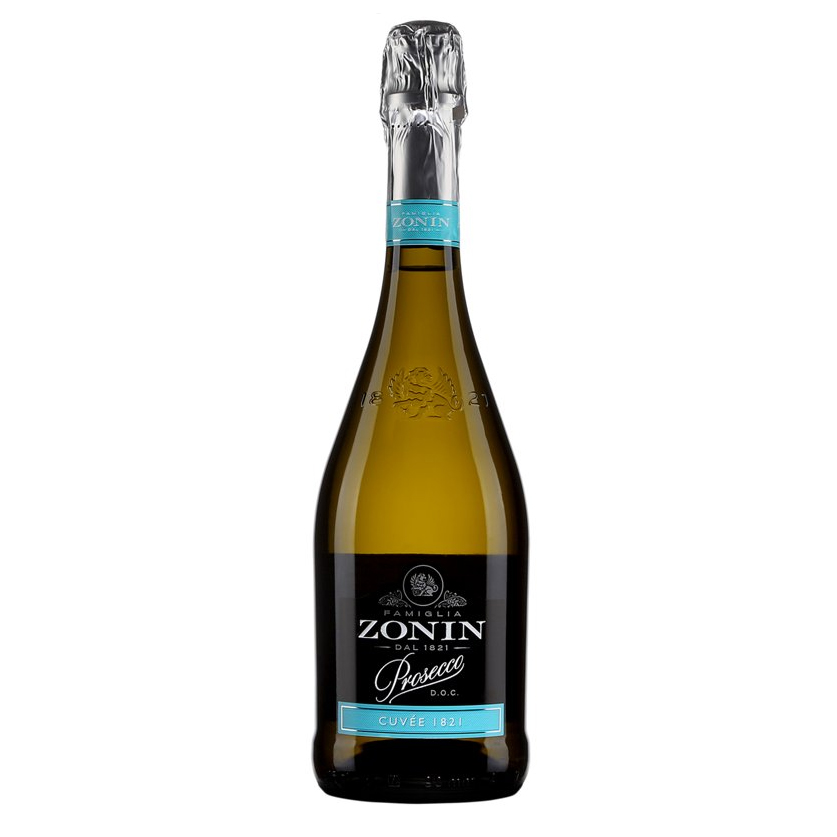
Award winning Zonin Prosecco is an excellent choice for an affordable elegant Valentine's dinner or any other romantic occasion with a suggested retail price of only $12.99. Expect a dry finish with an abundance of almond and citrus undertones. Winemakers Challenge Competition - 95 Points - Platinum Medal.

Zonin Rose, available in a 3 pack at a suggested retail of only $10.99 is a very good choice for a romantic picnic. Expect hints of wisteria and Renatta apples, along with floral and almond notes.


Sunday, January 8, 2017

10 Best Wine Travel Destinations For 2017


From the classic climes of Provence, London and the Rheingau to wild and dramatic vino-adventures in Salta, Sicily and Bulgaria, Wine Enthusiast's roundup of top spots offers something for everyone with a passport and a will to explore beyond the glass.

Cafayate | Argentina

A high-altitude enclave in Argentina, Cafayate is home to some of the world’s most exciting Malbec, magical scenery, local crafts and unique gastronomy.

Thracian Lowlands | Bulgaria

Bounded by the Black Sea to the east and Greece to the south, Bulgaria’s Thracian Valley combines archaeological wonders with modern wines.

Canary Islands | Spain

A windswept volcanic archipelago off the coast of Africa, wine from the Canary Islands has been held in high esteem since at least the time of Shakespeare.

Marlborough | New Zealand

The heartbeat of the region? Marlborough’s many cellar doors. Travel into the countryside and explore small corners of wineries to expansive restaurants.

Provence | France

A sun-kissed region in Southeastern France, Provence conjures up visions of dry rosés, olive tree groves, lavender fields and the glistening sea.

London | United Kingdom

Source: www.luxurytravelmagazine.com

A vibrant center for art and culture, London is a city where you can find wine from every country. Don’t miss trying England’s sparkling wines, either.

Calistoga | USA

Healing hot springs, mud baths, world-class resorts, restaurants and wineries are all available in Napa Valley’s northern anchor, Calistoga.

Sicily | Italy

Sitting just off the tip of the boot-shaped peninsula of Italy, Sicily offers beaches, volcanoes, ancient ruins and great wine and food.

Rheingau | Germany

Less than half an hour from Frankfurt, the villages of Rheingau dot the banks of the Rhine with historic vineyards, charming towns and wine discoveries.

Hood River | U.S.A.

Overlooking the Columbia River, Hood River is an adventure sport travel destination with access to wineries, brewpubs, cider houses and distilleries.

Photo credit: Tentuta San Michele, Sicily / Photo by Andrea Savini

Tuesday, May 10, 2016

Wine Museum And Cultural Center To Open In Bordeaux In June 2016


 Rendering of la Cite du Vin


The Bordeaux-based wine museum and cultural center known as La Cité du Vin (www.laciteduvin.com) will open its doors on June 1, 2016. It will draw visitors into an unparalleled discovery of wine-growing civilizations from all over the world.

The value of the Cité du Vin is anchored in two propositions: the construction of a world-class museum in a building with remarkable architecture uniquely suited to its purpose; a spectacular voyage through time, history and the cultures of the world to learn about wine.

Located on the banks of the Garonne River, the Cité du Vin is a monument to be marveled at before you even step inside. An original design from Parisian agency XTU, the bold architecture was intended to stand out in a crowd of both great international museums in other cities and majestic facades in Bordeaux. The shape of the building is said to symbolize the spiral flow of wine swirling in a glass. With a belvedere rising 180 feet above the ground (and a viewing platform 115 feet up on the 8th floor), the riverside structure will be decorated with 3,000 iridescent aluminum panels that catch and mirror the changing reflections of the adjacent river to which Bordeaux and its wines owe their prominence.

Inside, temporary and permanent exhibitions will lead visitors on a journey through time (from 6,500 BC to the modern era) to gain an understanding of the wine-growing cultures of five continents. This tour will be divided into 23 exhibition modules, covering everything from "The Vineyards World Tour" and "The Changes of Wine" (from grape seed to wine) to "The Buffet of the Five Senses” (tasting), wine and art, and even health and religion.

The latest technological innovations are being used in the scenography, including 3D images, holograms, smell diffusors, music and other interactive tools. The end result is an immersive, multi-sensory experience accessible via individual handset guides issued to each visitor. These will deliver explanations in real time in the user’s selected language (eight are available), triggered by a device that detects the wearer's position and sets off the appropriate multimedia content.

The 450,000 visitors expected in the first year will also be able to make the most of shops, restaurants and a wine tourism service for further information about and tickets to the surrounding vineyards. A five-star hotel with 150 rooms, a shopping centre and a boat shuttle service will expand the site even further.
With all of this in place, the Cité du Vin hopes to become the flagship tourist attraction and cultural hub of Bordeaux.

Thursday, January 21, 2016

Top Reasons To Visit France In 2016


Normandy Impressionist Festival
France 2016 promises to be a fun and exciting year. With a stronger dollar almost at parity with the Euro, here are major developments and events that American visitors are sure to enjoy.
Norwegian non-stop flights to Martinique & the Guadeloupe Islands
Starting December 3, 2015

It’s time to visit Martinique and the Guadeloupe Islands. This coming winter season, starting December 3, 2015 and through late March, the award-winning low-cost airline Norwegian is flying non-stop and very affordably to both islands from three East Coast locations: New York’s JFK, Baltimore’s BWI and Boston’s Logan airports. It is the first time in 20 years that residents of the Northeast will enjoy direct service to these French Caribbean Islands. 
Re-opening of the Unterlinden in Colmar, Alsace – December 12, 2015
Even further north and just in time for the Christmas market season, Alsace will welcome back the Unterlinden Museum in Colmar – home to the remarkable Isenheim Altarpiece. The museum will reopen December 12, 2015, after a reorganization of its extensive collections and three years of major works including a new wing dedicated to contemporary art.

Normandy’s Impressionist Festival – April 16 to September 26, 2016
As the cradle of Impressionism, Normandy will shine from April 16 to September 26, 2016, during the 3rd edition of its Impressionist Festival. It is the perfect time to experience both the works and sights that inspired masters like Monet, Pissaro, Caillebotte, Millet, Boudin, Renoir, Degas, and Cassat. They painted everyday life, depicting scenes from now-famed seaside resorts like Trouville, Deauville, Dieppe, and Honfleur. Over 25 exhibitions that will showcase portraiture – Read more (Main Impressionist exhibitions)

La Cité du Vin: Inauguration June 2, 2016 The gloriously restored wine capital of Bordeaux will include a Wine Museum and Cultural center, the Cité du Vin. Minutes away from Bordeaux’s elegant city center, the Cité will offer visitors immersive and multi-sensory technologies to explore a huge permanent exhibit about great wine cultures throughout the ages. Its opening will coincide with the lively Bordeaux Wine Festival scheduled for June 23 to 26, 2016. By day, visitors will be able to sample over 80 Bordeaux and Aquitaine wines and other culinary delights delivered on a mile-long stretch of the city’s magnificent Garonne River waterfront. By night and every night, this major biennial celebration features a music festival, followed by a spectacular sound & light show and grand fireworks display.Read More
Euro 2016 – June 10 to July 10, 2016
Sports and soccer fans have plenty more to celebrate in France, which, for the third time, is hosting the great European soccer tournament, Euro 2016, from June 10 to July 10. The month-long soccer fest will feature 24 of the top European teams. The 51 matches will unfold in 10 cities throughout France: Bordeaux – Lens – Lille – Lyon – Marseille - Nice – Paris – Saint-Denis – Saint-Étienne and Toulouse - 
Franco-American Museum of Blérancourt
Reopening & inauguration of new wing - Fall 2016

At the other end of the country, in Picardy, the Franco-American Museum of Blérancourt, will reopen in the fall of 2016 after an ambitious expansion that includes a new wing and reorganization to showcase its comprehensive collection of art and documents dedicated to the Franco-American relationship. The museum was founded by Anne Morgan, the remarkable daughter of U.S. industrialist, philanthropist and art collector J.P. Morgan. She transformed the Château de Blérancourt, her WWI and post-war headquarters in Picardy, into the Franco-American Museum. After she donated it in 1931 to the French Government, it was declared a national museum. The reopening will most likely be late September.

Lascaux IV – inauguration in Fall 2016
In the fall of 2016, the Montignac-Lascaux International Parietal Art Center, also known as Lascaux 4, is poised to become the leading tourist attraction and cultural tool associated with Lascaux's world-famous painted and engraved cave art. A new and complete replica of the Lascaux cave will be the beating heart of the Center, a sizable complex that uses new imaging and virtual technology for comprehensive interpretation purposes. Read more
2016 MAJOR ANNIVERSARIES
100th Anniversary of WWI - 1914-1918
The story of Anne Morgan’s war, the Chateau de Blérancourt and WWI all go hand in hand. There will be events to commemorate the WWI battles of 1916, most notably the battle of the Somme in Picardy and, of course, the battle of Verdun in Lorraine. Although the United States had not yet entered the war in 1916, it's never too early to experience the moving memorials honoring the American dough boys and allied soldiers who fought or lost their lives in Picardy and Lorraine during Great War. Read more
France & Loire Valley
500th Anniversary of Leonardo da Vinci's arrival in France
 In 2016, France will celebrate the 500th anniversary of Leonardo da Vinci’s arrival with the Mona Lisa in tow, which could explain her cryptic smile. Invited by France’s great Renaissance King Francois 1er, da Vinci crossed the Alps to reach Amboise in the Loire Valley, where he settled and spend the last 3 years of his life at the Château du Clos Lucé, now a museum in his honor. It is the perfect opportunity to pay a visit to the Mona Lisa at the Louvre and admire Leonardo’s inventions at the Château du Clos Lucé. Read more
Normandy 2016
Stretching back even deeper into history, the 1,050-year-old Mont-St-Michel Abbey in Normandy has been restored to its island status at the highest tides. A major decade-long national ecological project tackled the problem of rising sand levels, which posed a threat to the monument. The area's new and improved water flow will safeguard Mont-Saint-Michel bay as a maritime area and protect the ecosystem of this varied and precious place. To mark the occasion, the Tour de France will begin on July 2, 2016, from the Mont-St-Michel.
It will also be the perfect year to explore Normandy’s medieval heritage. In 1066, 950 years ago, William the Conqueror became the first Norman king of England after his victory at the Battle of Hastings on October 14, 1066. In the Bayeux Museum—also a storied D-Day site, resides a masterpiece: the 11th century Tapestry of Bayeux. Also known as the Queen Mathilda Tapestry, the 229-foot long and 19 inch high linen cloth, depicts through beautifully embroidered panels the Norman conquest of England.
ALWAYS NEW ACCOMMODATIONS
High on the radar of newsworthy items are new destinations to experience and new accommodations to enjoy. In Paris, there has been an impressive wave of boutique hotel openings. To name just a few, there are The Maison Souquet, the Grand Hotel Pigalle, the Bains Douches and the Champagne-themed and aptly named Bubbles of Paris Hotel. This coming winter there will also be the long-anticipated reopening of the legendary Hotel de Crillon and the Ritz.
Paris is not the only place where things are happening, of course. This fall, the Paris Region welcomed a boutique hotel of its own, La Demeure du Parc, in royal and beautiful Fontainebleau. This summer the Rhone-Alpes' classy Royal Evian Hotel reopened after extensive and innovative renovations. And Bordeaux has embraced the Grand Hôtel de Bordeaux & Spa, brought in July into the InterContinental family of hotels. It has turned to world-renowned chef, restaurateur and television personality Gordon Ramsey to oversee its gastronomic restaurant, Le Pressoir d'Argent,

Saturday, January 16, 2016

How To Find The Best Sauvignon Blanc From The Loire Valley

Sauvignon blancs from the Loire Valley are bracingly fresh and taste great with healthy food - just don't serve them too cold.


Sauvignon blanc wines
Wines from Pouilly-Fumé and Sancerre are great matches for herby risottos and salads


Like many, I have a bouncy relationship with New World (especially New Zealand) sauvignon blanc – sometimes that perfumed, juicy blast of gooseberry, passion fruit and tomato leaf is exactly what’s needed to wake up the taste buds with a zap, yet at others it seems altogether too loud, too strong, too relentlessly bright.
So I found myself in the pretty French town of Sancerre recently, marvelling at the elegance and poise of the classic sauvignon blancs of the Loire Valley. My tasting notes from the trip include “tangerines, pears, roses, melon, peach and greengage”, but these are subtle hints; at the heart is always whistle-clean lemon juice, precise and clear, sometimes with minty or smoky whiffs but almost always with a bracingly fresh mineral streak.
The top wines of Sancerre and nearby Pouilly-Fumé can be expensive, but in the same general area sauvignons from less famous Quincy, Reuilly and Menetou-Salon can also deliver at lower prices, and, sauv blanc lovers, do look out for the affordable, simpler but moreish versions from the Côteaux du Giennois appellation.
This is exactly the right time of year to sip them with healthy new-season food – salad leaves and fresh asparagus, baby broad beans and newly sprouted green herb risottos. Oh, and goat’s cheese, and of course white fish and seafood.
On my last night in Sancerre I was the guest of a Japanese chef who paired the wines with her own exquisite, delicate dishes made using nori, radish, miso. Sushi too – all worked beautifully with these restrained and refined white wines.
TRY THESE...
Finest Pouilly-Fumé 2013 Loire, France (Tesco, £10.99)
This has a riper, creamier texture and long finish but the flavours are crystal clear: zesty lemon and grapefruit with a grassy hint – just made for white fish.
Domaine de Villargeau 2013 Côteaux du Giennois Loire, France (Majestic, £8.99)
Lemon and clementine mingle to make a mouthwatering, light and dry citrus cocktail, and there’s a faint hint of mint on the scent. Properly refreshing sauvignon blanc.
Domaine Vacheron Sancerre 2013 Loire, France (selected Waitrose, £19.99)
A brilliant organic producer whose whites have strikingly pure flavours and clean acidity; here’s lemon again, and very light peach. Dry, crisp finish – a seriously good match for lobster.

TIPPLE TIP keep yours cool...

Though it’s tempting in summer, never serve fine whites like these sauvignon blancs too cold, or their delicate flavours and aromas will be hard to detect through the chill. Aim for a cool 8C, which should be just right to make the wine more refreshing without masking its subtle character.

Sunday, January 10, 2016

Bordeaux Label Decoder -How To Decipher The Famous Region's Labels Like A Pro


Learn how to decipher the famous region's
 labels like a pro.
Whether shopping for the cellar or Tuesday night’s dinner, stare down your shop’s selection of Left Bank reds like a pro with this at-a-glance guide to deciphering the famous region’s uuuuh-inducing labels.

Left Bank Basics
There are two major regions: Médoc (known for its reds), and Graves (known for reds and whites). While great pours can be had throughout Bordeaux, in general, the smaller the appellation d’origine controlée, or AOC, the higher the quality.
MÉDOC AOCs: 
Starting with the largest AOC, there’s Médoc, then the subregion Haut-Médoc and its famed Haut-Médoc communes: Listrac-Médoc, Margaux, Moulis-en-Médoc, Pauillac Saint-Estèphe, and Saint-Julien.
GRAVES AOCs: 
Starting with the largest AOC, there’s Graves, then the subregion Pessac-Léognan. For sweet whites, there’s Graves Supérieures, Sauternes—which encompasses the smaller Barsac subregion—and Cérons.

Standard Bordeaux label.
1. Mis En Bouteille Au Château
Means bottled at the estate, within the listed region. If the label says, “Mis En Bouteille Au Domaine,” it was bottled in the region. If you see “Négociant,” the grapes, the juice or the wine were bought, but released under a different brand.
2. Grand Vin
This means “great wine.” It may be great, but anyone can throw this unregulated term on a label.
3. This tells you it’s a Cab Blend 
Left Bank reds are typically blends of Cabernet Sauvignon, Merlot and Cabernet Franc, and may include Petit Verdot and Malbec. Most Left Bank dry whites are Sémillon and Sauvignon Blanc blends. The best often hail from Graves and Pessac-Léognan, the only Left Bank appellations that may list their regions on white wine labels.
4. Top Dry-Red Vintages 
1961, 1970, 1978, 1982, 1985, 1990, 1996, 2000, 2005, 2009 and 2010
5. The Big House
According to French law, a label can only feature a chateau if it’s the original house and still standing.
6. The Bordeaux 1855 Official Classification
After Napoleon requested Bordeaux wines be classified for the Paris World Fair, 61 Left Bank chateaus were divided into five “growths.” The system has nothing to do with grape growing, and while it was supposedly based on reputation and pricing—not quality (wink)—it still is seen as a ranking of the top producers. It consists of 60 chateaus in the Haut-Médoc and one in Pessac-Léognan.
The 5 Premier Crus Classés 
Château Haut-Brion
Château Lafite Rothschild
Château Latour
Château Margaux
​Château Mouton Rothschild
The Rest
Chateaus within the four other tiers are labeled Grand Cru Classé 1855.
Are 1855 Wines Better?
No. Historically, the 61 chateaus have been the standard bearers among hundreds of producers in Bordeaux. Still, a Napoleon-era declaration doesn’t preclude anyone from making terrific wine.
Published on March 11, 2015

Monday, December 28, 2015

The 10 Best Food And Wine Escorted Tours For 2016


wine bottle
Photo by Freeimages.com/Emma Payne
Trisha Andres, The Daily Telegraph
The great gastronomic destinations of FranceItaly and Spain feature heavily on this list. But I’ve also selected some which explore further afield, including a trip toVietnam, a tour that explores the flavours of India, and a visit to Istanbul which offers a taste of everything from dishes from the Ottoman era, and southern Anatolian fare, to all manner of Turkish sweets.
Prices quoted in this article include return flights from London, accommodation, and admission to sights on the itineraries, unless stated otherwise. They are per person, based on two sharing a twin or double room. Some departures allow for flights from regional airports.
1. Turkish delight
Istanbul is a smart choice for a foodie break. Stroll through the markets at Karakoy; dine on southern Anatolian dishes while marvelling at the views out to the Marmara Sea; and browse the stalls at Beyoglu and spy – and perhaps even buy – octopus from Bodrum, calamari from Antalya and shrimp from Canakkale. Masterchef Travel’s five-day Inspirational Istanbul tour run by Cox & Kings takes in all these culinary highlights and includes an Ottoman cookery class.
May 13, from £795, including a cookery class and most meals. Cox & Kings (020 7873 5000; coxandkings.co.uk ).
2. Under the Tuscan sun
Explore’s eight-day Tuscany walking and wine tour is cast as a gentle walking holiday that meanders through the vineyards and towns of Tuscany’s south where there will be a chance to sample some of Italy’s finest wines including Chianti, Vino Nobile and Brunello di Montalcino. In addition to five wine tastings, there is a visit to a local pecorino cheese producer to try the delicious hard cheese made from ewe’s milk. There is a stay at a small wine estate just outside Montepulciano, plus visits to other highlights of the region, including Campo del Miracoli Medici in Pisa, and the Renaissance cities of Florence and Lucca.
June 5, from £1,136, including most meals. Explore (01252 883 559; explore.co.uk ).
3. Passage to India
Intrepid Travel’s 15-day Real Food Adventure tour explores the flavours of Indiafrom Delhi to Goa via Rajasthan, with stops at Jaipur and Udaipur. Wander through the alleyways of Old Delhi and meet a chaiwala or tea-maker who will show you how tea juggling is done. Stay at a palace built as a royal residence for the ruler of Karauli in 1938 and learn how to make bedai and dhaba; visit an Indian chef at his home for a Rajasthani cookery class; and spend an evening in Chowpatty Beach to watch the sun set and eat bhel puri.
March 4, from £1,340, including domestic flights and most meals but excluding international flights . Intrepid Travel (0808 274 5111; intrepidtravel.com/uk ).
4. Flavours of the east
Chef Luke Nguyen, a judge on MasterChef Vietnam, is the guide on this Vietnam tour and Mekong River cruise, run by APT. He leads a 20-day exploration of the cities of Hanoi, Hoi An and Ho Chi Minh, to include a cruise along the Mekong. Savour simmering pho from a side-street stall in Hanoi, join a cookery class in Hoi An, and visit the Ba Do family in Hue to sample homemade rice flour cakes and dumplings. The tour includes stops at Phnom Penh and Siem Reap in Cambodia.
July 29, from £3,795, including return flights, a river cruise and most meals . APT (0800 012 6683; aptouring.co.uk ).
5. Adventures in Istria
This new, seven-day itinerary, Istria: a Gastronomic Adventure, starts with a cruise on a traditional wooden ship along Lim fjord to visit an oyster farm for a tour and tasting. Based in Hotel Palazzo in the seaside town of Porec, it also includes a walk through the vineyards in Momjan en route to one of the region’s best wine cellars in Kabola; a visit to an olive mill in Faana; an excursion to the forests of Motovun with a truffle hunter; and a stop at Pula to meet a local cheesemaker with time to admire the city’s Roman ruins.
April 22, from £1,399 half-board. Adagio (01707 386700; adagio.co.uk ).
6. Michelin-starred Spain
Great Rail Journeys’ nine-day Gastronomic Spain tour chugs from Barcelona and Catalonia into the wine country of La Rioja before making a final stop at San Sebastián. It includes meals at Michelin-starred restaurants and a stay at a 14th-century convent-turned hotel in Haro. Other highlights include a Basque cookery class and visits to Rioja’s most celebrated wine producers, including Marqués de Riscal, Bodegas López Heredia and Bodegas Franco Españolas. The tour takes in key sites, such as the Picasso Museum, Catedral de Santo Domingo de la Calzada and Sagrada Familia.
Departures between May and June, from £2,175, including return rail travel from London and most meals. Great Rail Journeys (01904 521936; greatrail.com ).
7. Great wines of Bordeaux
Bordeaux produces some of the world’s greatest and most expensive wines. This five-day Telegraph Tour – led by Victoria Moore, The Telegraph’s wine correspondent, will explain the nuances and history of winemaking on both banks of the Gironde river. Moore will lead tastings at eight leading chateaux, including Smith Haut Lafitte, Grand-Puy-Lacoste, and the great first growth, Château Lafite-Rothschild.
April 25, from £2,275, including return flights between London and Bordeaux, all tastings and some meals. Telegraph Tours (0333 005 9069; telegraph.co.uk/ victoria-bordeaux ).
8. Bologna tour
This new eight-day trip from Andante surveys a broad sweep of the archaeological heritage and gastronomic history of La Grassa (the Fat One). Led by an archaeologist and an expert in Italian cuisine, this tour takes in the great Torre Ghirlandina in Modena and a 15th-century convent in Ferrara where nuns safeguarded the city’s recipe for panpepato – chocolate cake. You will also hunt for truffles in the Emilian countryside and join a Lambrusco-making session at a winery.
September 15, from £2,495 full-board. Andante (01722 713800; andantetravels.co.uk ).
9. An Andalusian affair
It’s famous, of course, for its sherry, but on the food front, Andalusia now has nine Michelin-starred restaurants, and some of its more delicious core products, such as Iberico ham, lemons, olives and excellent fish are attracting attention from foodies. Martin Randall’s new eight-day Gastronomic Andalusia itinerary includes visits to several of the region’s best restaurants, starting at the La Mancha vineyards, followed by Úbeda and ending in Seville.
April 22, from £2,980 including some meals. Martin Randall (020 8742 3355;martinrandall.com ).
10. A bubbly excursion
This five-day Ultimate Champagne tour from Arblaster & Clarke offers exclusive access to Champagne houses not open to the public. It is based in a five-star hotel and led by Andrew Jefford, the wine journalist. The tour includes tastings at Gosset, the oldest wine-producing property in the region, a visit to Taittinger’s 4th-century chalk cellars and dinner in the middle of the vines at Château de la Marqueterie.
March 7, from £3,095, including return rail travel between London and Lille, and most meals. Arblaster & Clarke (01730 263111; winetours.co.uk ).
Tips
  • Usually accommodation is in hotels of four stars or higher, but double-check before booking.
  • Solos - single supplements are often high, but these trips attract high numbers of single travellers and are a good way of meeting others with similar interests.
  • Prices quoted include most meals and wine-tastings.
  • If you’d like to bring back wine with you, talk to the tour operator before booking so arrangements can be made.
  • Most tour operators cater to food intolerances – but discuss before you book.
Source:  http://www.luxurytraveladvisor.com/

Saturday, November 14, 2015

Everything You Need to Know About Chablis And Its High-Quality Wines

Understanding the Golden Wines of Chablis


Consulting enologist Eric ­Szablowski’s 2CV Citroën bounces along a rocky track at the very top of the steep slope of Vaudésir, in the heart of Chablis. Suddenly, he steps on the brake, and we come to a stop.
Stepping out of the car, I find it hard to stand too close to the edge, even though I don’t have a problem with heights.
From 597 feet above sea level, Szablow­ski and I peer almost straight down 100 feet or so at a sea of Chardonnay vines springing into ­action for the 2015 vintage. It’s one of those vineyards where you need one leg longer than the other to comfortably work it.
Making wine here is a tight balancing act—and not only when viewed from a ragtop Deux Chevaux. Chablis joins cool climate, unique location and Kimmeridgian soil to make possibly the purest Chardonnay on the planet.
It’s a golden age for Burgundy’s northernmost wine region. Great vintage follows great vintage, and compared to the grand crus of the Côte d’Or, the grand crus of Chablis are ­bargains.
But it’s not easy.
“Chablis is at the northern limit of the possibility of making still wines from Chardonnay,” says Lucie Depuydt, winemaker at J. Moreau & Fils. “Further north, and the wines have to be sparkling.” 
—Roger Voss

The Tool

Chardonnay may be the grape. But for the folks of Chablis, it’s only the tool. 
“We are not producing Chardonnay, we are using Chardonnay to express the Chablis terroir,” says Xavier Ritton, the export manager for the La Chablisienne cooperative, one of the best co-ops in France.
“Chardonnay is a neutral grape—it’s the best tool for expressing Chablis terroir,” says Benoît Droin, ofDomaine Jean-Paul & Benoît Droin, speaking in his cellar under the family house near the city hall of Chablis. His family has been producing wine in Chablis since the 17th century.
“In hot years, we have to be careful not to lose the character of Chablis,” says Droin. “If you don’t pay attention, then you just make Chardonnay.”
Stylistically, Chablis is different from other Chardonnays from Burgundy. It has a texture, a tension and an apple crispness that sets it apart from what the people of Chablis call “South Burgundy,” a k a the Côte de Beaune’s whites from Meursault, Chassagne-Montrachet and Puligny-Montrachet, and certainly from the ripe Chardonnays of the Mâconnais.

The Soil

The Chablis vineyards are planted on the slopes of the Serein Valley and in the side valleys that form a star centered on the small riverside village of Chablis. 
Here, you can take the Kimmeridgian chalk into your hand and pick out oyster fossils from what was once a seabed. This soil gives enough warmth for the grapes to ripen in short, hot summers, and it imparts intense minerality to the wines.
Yes, Chablis has minerality. It’s a concept pooh-poohed by some tasters because, they say, how can you taste it? 
In Chablis, they believe you can. For a Chablis producer like Damien Leclerc, managing director of La Chablisienne, minerality is that sense of “purity, a crystalline expression of the wine.”
It’s about saltiness, sea spray and a mouthwatering aftertaste that’s unique to this cool-climate Chardonnay and which brings the wines close to the soil, to the terroir. 

The Purity

Minerals like potassium, calcium and magnesium are present in the grapes, absorbed from the soil via the vine’s roots. It gives the wines what Julien Brocard, of Domaine Jean-Marc Brocard, calls “energy.”
He offers his Les Clos as the epitome of this energy: structured, textured and possessing intense, almost chewy, acidity. 
“They should be pure, with nothing between the wine and the soil,” he says.
What almost all Chablis doesn’t have are oaky flavors. Producers mature a proportion of their wines in wood, but in barrels up to eight years old. The oak is there for its oxidative character, not to impart any toasty notes.
Just a few exceptional producers—the most famous being François Raveneau and Vincent Dauvissat—ferment and age their wines in oak to produce offerings that are closer to southern Burgundy in style and richness.

The Quality Pyramid

At the top of the Chablis hierarchy, the steep southwestern exposures of the region’s grand cru vineyards yield complex, ripe wines. Even in warm vintages like 2009 and 2013, these wines possess ample structure and restrained power.
The seven grand crus are Bougros, Les Preuses, Vaudésir, Grenouilles, Valmur, Les Clos and Blanchot. La Moutonne, shared between Les Preuses and Vaudésir and used on labels by Château Long-Depaquit, is not an official grand cru (the owners forgot to register it) but is of similar quality. 
These wines can age well for many years. If looking at a restaurant list, start with wines that go back five or 10 years. These are great main-course companions, especially the old vintages.
Premier crus reflect their more varied terroirs—Szablowski says each one is a different universe. 
He has the same three-dimensional map that every Chablis vigneron uses to explain the layout of the vineyards. The earth-bound premier crus of the Serein’s left bank are the southeast-facing slopes of Montmains, Vaillons, Côte de Léchet and Beauroy. The premier crus of the right bank’s southwest-facing slopes look to the air and the sun: Fourchaume, Montée de Tonnerre, Mont-de-Milieu and Vaucoupin. 
The premier crus may be served as apéritifs or paired with food. Try them with seafood or lightly sauced chicken, veal or pork.

Blending at the Base

The next level of the quality pyramid is simply called Chablis. These wines are generally blends from different vineyards on slopes not quite at the premier cru level. Chablis represents a producer’s style, while reflecting the weather variability that can give searing, shocking acidity one year and an almost honeyed character the next.
These wines aren’t for long aging, so make your choice based on recent vintages. Use this category to bring friends from the taste of California to Chablis.

“Little” Chablis

At the base of the pyramid, Petit Chablis is Chardonnay planted on the plateau above the slopes in younger Jurassic soils known as Portlandian. These are fruity, gentle wines that are great as apéritifs. Light and bright, they’re to be enjoyed in the year after harvest. Not much is imported, so when you find one, try it.
Most Chablis producers make wine in every category, and none of them are terribly expensive. Even great grand crus are usually under $100 at retail. Compare that to the several hundred dollars being asked for grand crus from the Côte de Beaune or to the prices of top Sonoma, Napa and Central Coast Chardonnays. 
Premier cru Chablis retails for less than $50, while most Chablis and Petit Chablis are between $18 and $30. For a fine Chardonnay, these are bargains. 


La Colline des Grands Crus includes the seven grand crus detailed here.
Bougros (37 acres): Aroma is key to robust and rounded wines here at the northern end of the grand crus. Structure enters with a steep parcel called Les Bouguerots. Look for: Domaine William Fèvre Côte Bouguerots.
Les Preuses (26 acres): Stony, steep vineyards, the highest of the crus, produce structured, mineral wines. Look for: Domaine ­Vincent Dauvissat.
Vaudésir (38 acres): Two extraordinarily steep slopes face each other across a narrow track. Crisp wines face southeast; elegant and richer wines face southwest. Look for: Pascal Bouchard (a blend of both slopes).
Grenouilles (23 acres): At the base of the slope, the most full-bodied, generous and open wines come from the richest soil of the grand crus. Look for: La Chablisienne Château ­Grenouilles.
Valmur (26 acres): This vertical cru is wedged between Vaudésir and Les Clos. Elegant wines with a mineral backdrop have a great ability to age. Look for: Domaine Jean-Paul & ­Benoît Droin.
Les Clos (64 acres): Less steep, on one long slope, it’s the most homogenous and finest grand cru. The result: long-lived and structured wines. Look for: Domaine Christian Moreau Père et Fils Clos des Hospices.
Blanchot (31 acres): This southernmost cru turns southeast to catch the morning sun. Chalky white with blue lime soils, it ­produces wines that are very mineral and crisply elegant. Look for: Domaine Laroche La Réserve de l’Obédience.

French Chablis's Best Recent Vintages to Buy, Drink and Age

2014 | Very crisp, this vintage combines great fruit with ample acidity. Drink the best from 2020. 94 points.
2013 | A hot vintage after weather disasters en route to harvest. Wines can be honeyed and are almost drinkable now. 90 points. 
2012 | Intense, structured wines, classic for their minerality and tight texture. Age the best examples for 10 years. 95 points.
2011 | A vintage that brought out the fruitiness in Chablis. Delicious wines that may not last long, so drink now. 94 points.
2010 | The summit of Chablis, ripe wines that never lose touch with their terroir. Age the best; drink from 2017 and later. 96 points.
2009 | Immediately appealing, these are now developing complexity, so don’t worry about further aging. 95 points.
2008 | The first in a trio of fine vintages, the wines are ready to drink, even the grand crus. 91 points.
2007 | Chablis now mature; premier and grand crus are ready to drink. 90 points.
2006 | A difficult vintage that showed the mineral side of Chablis. Drink now. 91 points.
2005 | Rich wines with tropical fruit flavors. Considering this ripeness, the top wines have surprising longevity. 95 points.

Food Pairing Tips

Light in alcohol, refreshingly crisp, fruity but textured, Chablis appeals to Chardonnay lovers who want energy and poise in their wines. 
Michel Vignaud, chef and owner of Chablis’s leading hotel, Hostellerie des Clos, has been cooking in Chablis for 35 years. As we sat in the bar of his restaurant, Vignaud told me to pair Chablis with anything from cold cuts to lobster, and especially with grilled or fried fish. He’s even created a veal kidney dish that shows how grand cru Chablis can pair with meat.
“My best Chablis memory,” he says, “is of a premier cru with fish that was simply grilled in butter with a touch of fennel. There was nothing between the fish and the wine. They were in harmony.”
Chardonnay drinkers who taste Chablis for the first time are sometimes shocked. The pure fruit and intense, youthful acidity, the crispness and nervy texture without heavy oak, are like nothing else in the Chardonnay world. 
Source: http://www.winemag.com/

Sunday, September 20, 2015

The Hidden Charms Of Languedoc-Roussillon

Unrelenting rain and an April chill greeted us as we navigated the cobbled streets and narrow roads in the hamlet of Gattigues, a petite village in France’s Languedoc-Roussillon. Several twists, turns and reverses later, we discovered our inn. Huddling under a coat, we dashed through the pastel blue door of Les Sardines aux Yeux Bleus (www.les-sardines.com) to its foyer, where the smell of just-cooked strawberry jam and cinnamon muffins immediately erased memories of the rain. Charming, rustic, intimate and authentic, Les Sardines aux Yeux Bleus captures the essence of Languedoc-Roussillon.

Welcome to Languedoc-Roussillon

The tiled rooftops of Uzès. Image by Dave Mitchell / Flickr Open / Getty Images.
The tiled rooftops of Uzès. Image by Dave Mitchell / Flickr Open / Getty Images.
Like its famous neighbour Provence, Languedoc-Roussillon boasts lyrical landscapes and rich scenery, from the western Mediterranean coastline to its sun-soaked valleys, peaks and vineyards. Its tucked-away villages and small hilltop towns are still largely untouched by tourists; the charm of French country life is alive and well. Off-the-beaten-path inns sit beside rustic restaurants frequented by locals, seducing travellers with a peek into the France of 20 years ago.

On the mountainside

With its cluster of Renaissance architecture bounded by countryside dotted with renovated 16th-century farmhouses – like the notable L'Artémise (www.chambresdelartemise.com) – Uzès is one of Languedoc-Roussillon’s most charming towns. Wine shops, chic boutiques and inventive restaurants have sprouted along its medieval streets, though Uzès has maintained an authentic and low-key vibe. Its celebrated Saturday market, flanked by the vaulted archways at the Place aux Herbes, is not to be missed. For dinner, make a beeline for the smart Les Trois Salons, where Swedish-born chef Petter Nilsson developed a devoted following. Though Nilsson now sits at the helm of a Parisian bistro, Les Trois Salons remains one of Uzès’ finest culinary experiences.
For a taste of Uzès’ grapes, travel 10 minutes by car to the north where the artisanal estate of La Gramière (www.lagramiere.com) occupies just five hectares of vineyards. Founded in 2005, La Gramière is one of the region’s most interesting garage wineries, producing less than 10,000 bottles a year of grenache-based wines. These organic wines are all farmed by hand, from the planting to the picking, by a two-person team. Thanks to a successful Kickstarter campaign, La Gramière recently restored an old Citroën van that serves as a roving wine bar. Check out their summer events in the vineyards, or look out for La Gramière’s green camion around Uzès. Be sure to taste their blend of syrah and rose, sold exclusively in France.
Vineyards in Languedoc-Rousillon. Image by Danita Delimont / Gallo Images / Getty Images.
Vineyards in Languedoc-Roussillon. Image by Danita Delimont / Gallo Images / Getty Images.
North of Uzès by 30km, La-Roque-sur-Cèze (www.laroquesurceze.fr/index.php) dramatically juts out of a rock peak above the Cèze. This petite gem is officially one of France’s most beautiful villages – a quick stroll through its winding streets to the former castle and its chapel shows why. Grey residences and creamy alleyways lead to the village’s summit where expansive views of the river valley below will steal your breath. Less than an hour is all you need to explore the village, including copious time for oohing, aahing and taking pictures.
Walk towards the bottom of the village and across the Cèze River to the striking waterfall Cascades du Sautadet. Limestone cliffs, dips and edges in a variety of peculiar shapes are saturated with rushing water and pools of bubbling river. Tread carefully on the limestone’s flat, dry surfaces to get an up-close-and-personal glimpse of the river whooshing through in a scene that looks more like Iceland than France.
Head to the east to find St Siffret – another minuscule medieval village with stone walls, vaulted archways and beige steps. Here, two chateaux take centre stage, including one that was a Commanderie of the Knights Templars. Sadly, neither is open for visits and there are scarce spots for lingering with a coffee and croissants. There is, however, a worthwhile restaurant, L’Authentic (Place de L’Ecole, 30700 Uzès, St Siffret), housed in the village’s old school. A changing weekly menu inspired by local and seasonal ingredients is all that is offered, but the quality will not leave you wanting. Tourists are scarce, especially in the off-season.

Beside the seaside

The picturesque port city of Banyuls-sur-Mer. Image by Gerard Labriet / Photononstop / Getty Images.
Far to the south, past Montpellier and Perpignan and just 14km from Spain, sits Banyuls-sur-Mer. Tucked away on a rocky coast, this small Mediterranean town is a mélange of Catalan and French culture, influenced heavily by the sea. Swimming coves and ports evoke the Riviera towns to the east, sans the traffic, the scene and the glitz. Banyuls-sur-Mer’s old town boasts palm tree-lined, whitewashed streets.
Dine on fresh mussels, oysters and monkfish stew, cooked seaside where dramatic views drop to turquoise waters. Seafood is best paired with Languedoc’s crisp white wine, picpoul de pinet, made with the region’s oldest grapes, piquepoul. Further inland the vineyards in Banyuls-sur-Mer produce a sweet dessert wine called Banyuls.
Still on the coast, heading east roughly 150km, sits Domaine Sainte Rose (www.sainterose.com/index.php). This family-run boutique winery is focused on promoting Languedoc’s vineyards through producing exceptional wines that challenge the status quo. Employing New World techniques to South of France vineyards, its wines are clean and minimalist and are making an impact on Languedoc’s traditions. Visit the stunning estate for tastings and tours (by appointment only).

To the forest

Three of Aubrac's celebrated cows. Image by GFC Collection / age fotostock / Getty Images.
At the other extreme of Languedoc-Roussillon is Aubrac, an immense plateau with fog-laden forests and wildflower-sprinkled pastures. Visiting the region on horseback (www.equitation-aubrac-lozere.fr), trotting cautiously past herds of Aubrac’s celebrated cows, is an absolute revelation, offering a unique perspective into the region.
The world-famous Michel Bras (www.bras.fr) restaurant and hotel resides in an uber-contemporary space, tucked into the landscape of Aubrac’s plateau. Whether at Bras or elsewhere, dine on Aubrac’s traditional dish, aligot, made of mashed potatoes, tome de Laguiole and crème fraîche, which gives the dish a creamy taste and smooth texture, unique to this place.

 Caitlin Zaino


Read more: http://www.lonelyplanet.com/europe/travel-tips-and-articles/the-hidden-charms-of-languedoc-roussillon#ixzz3mHtTtsYU