Showing posts with label Zambia. Show all posts

Saturday, December 26, 2015

African Safari Alternatives That Don't Cost A Fortune

The Big Five (buffalo, lion, leopard, elephant and rhinoceros) sometimes elude safari goers in more ways than one. Rates for a five-night luxury safari - including guided wildlife drives, sunset cocktails, and tents with more puffy pillows than London's Ritz Hotel - can cost anywhere between US$5000 and US$12,000.
But contrary to what many believe, you don't have to remortgage your house to tackle an African safari; there are cheaper alternatives to the luxury packages, especially for the more adventurous traveller.

Go it alone

An assortment of animals congregate around a shrinking waterhole in Namibia. Image by Peter ten Broecke / E+ / Getty Images.
An assortment of animals congregate around a shrinking waterhole in Namibia. Image by Peter ten Broecke / E+ / Getty Images
Farside Africa (farsideafrica.com) specialises in tailor-made trips for clients on different budgets. Director Vicky Stirling says heading out on your own is the cheapest way to do a safari.
In South Africa, it's possible to access some parks, such as Kruger National Park, in a standard 2WD hire car thanks to well-maintained networks of roads plus a decent, if modest, array of accommodation. Real penny-pinchers can take their own food, too.
While you may save your pennies, there are pitfalls to going solo - the state of the roads, for one. While South Africa and Namibia have decent roads, road conditions in Botswana and Zambia are generally poor. This rules out regular cars, so you need to be able to handle a 4WD. In Zambia, a fully equipped 4WD with pop-up roof tent costs around $250 per day.
Another downside of going independently is not having a guide. Experienced guides spot everything from miniature chameleons to leopard prints (mere 'blobs' to the average person). Stirling says: 'Without a guide, you are always going to miss things, so self-drive trips tend to suit people who've been on safari before and have guide books and [a better awareness of] animals and birds.'
There’s also the safety aspect to consider. Predicting how wild animals behave and the 'rules' of driving are crucial; blocking an elephant from its path, for example, will make it agitated and extremely aggressive. A good compromise is to arrange wildlife drives through public campsites (obviously, private lodges are off limits - these offer drives exclusively to guests).
White thinos grazing in iSimangaliso Wetland Park, South Africa. Image by Ann & Steve Toon / Robert Harding World Imagery / Getty Images.
White rhinos grazing in iSimangaliso Wetland Park, South Africa. Image by Ann & Steve Toon / Robert Harding World Imagery / Getty Images
The upsides of going alone? You can go at your own speed, there's no one else sharing the vehicle, and you are free to do what you want, whether it be searching for buffalo or sitting by a waterhole watching animals coming to drink.
For the easiest self-drives, Namibia's parks are recommended. The flat roads mean you can see which animals are around, and the lack of forest means fewer surprises popping out from behind bushes. Stirling recommends Etosha National Park in particular: 'There, you can drive in and sit by a waterhole. People love that because they can do it in their own time, and are not rushed by others in the vehicle.'
Namibia also has a good range of lodges in national parks. 'Etosha National Park's two lodges at the main gate have both cheap and expensive rooms - a good mix of accommodation. Plus you can do as much driving as you like. And at camp there's a massive waterhole so you can watch the animals come in at night,' says Stirling.
For more experienced travellers who want 'deeper and darker Africa', Stirling recommends the desertscapes of Moremi Reserve in Botswana for great value campsites. These are good, well-equipped camping spaces, with ablution blocks and firewood. (The same goes for South African campsites.)

Go in low season

Young elephants getting to grips with each other in Botswana. Image by Claire Gribbin / CC BY 2.0.
Young elephants getting to grips with each other in Botswana. Image by Claire Gribbin / CC BY 2.0
Carefully consider when to go - this is especially important for those eager to find cheaper deals. During the low (wet) season - from mid-November to the end of March - lodges, such as those in Botswana, cut rates by half. 'The ideal time is the beginning of the low season. It's a lovely time to go. The grass hasn't had time to grow up so it's still easy to spot animals, there's a smattering of fresh shoots coming up, and some animals drop their young around this time. Plus it never rains much more than thunder bursts,' says Stirling.
It also means lower air fares, fewer crowds and no 'car parks', where over 40 vehicles crowd around a lion or a herd of impala, a frequent criticism of Kruger National Park during the school holidays.

Stay outside a reserve

For those who don't need the glamping (luxury camping) or lodge experience and who are good self planners, base yourself outside a wildlife reserve and enter the reserve - or different reserves - each day.
St Lucia, in the South African region of KwaZulu Natal is an excellent base for its varied accommodation and the diverse parks nearby, according to Kian Barker, director of Shakabarker Tours (shakabarker.co.za) and B&B owner. 'Travellers have access to a nice bouquet of parks with different eco-systems - from Hluhluwe-iMfolozi National Park to iSimangaliso Wetland Park.' (iSimangaliso, formerly known as the Greater St Lucia Wetland Park, is a Unesco World Heritage Site, comprising 328,000 hectares and stretching for 200 kilometres along South Africa's north-eastern coast.)
'One day, you can be watching an elephant herd in Hluhluwe-iMfolozi and the next spotting a whale along iSimangaliso's coastline and hippos in the lusher wetland grasslands,' says Barker.

Volunteer

A hippo playing in a waterhole in South Africa's Kruger National Park. Image by Derek Keats / CC BY 2.0.
A hippo playing in a waterhole in South Africa's Kruger National Park. Image by Derek Keats / CC BY 2.0
For those who don't need their sheets turned back or sundowners by a waterhole, volunteer options are an excellent alternative to experience wildlife in situ and you get an experiential bang for your buck.
African Impact (africanimpact.com) offers 65 short-term volunteering projects in 10 destinations around Africa. Projects generally run between two and four weeks (though volunteers can stay for up to 12 weeks), and start at around US$1200 for a two-week placement. The organisation's animal welfare projects range from elephant conservation (Namibia) and lion rehabilitation projects (Zambia) to community based projects (Kenya).
According to Greg Bows, African Impact's Managing Director, 'the core of what we do is to create amazingly fun experiences on projects that actually need volunteer assistance.' The company's Thanda Wildlife Photography and Conservation Education project, for instance, allows keen photographers to get close to animals and the environment (the photos depict anything from the animals to snares and litter, and are used by NGOs in their promotional or report materials).
Guests bunk down in chalet accommodation that is, in Bows' words, 'fairly simple and clean but comfortable', but it's possible to upgrade to a lodge for an extra fee.
The advantages of volunteering extend way beyond the rates - they also offer a more holistic view of conservation, its issues and complexities. 'On a general safari, travellers may spend a lot of money to see the Big Five, whereas volunteers leave a lot more educated. They are more aware of an endangered status and of the community side of conservation and how fits in with wildlife, and what can be done to help these things. On a short-term holiday safari you don't gain this. You might hear rhinos are endangered, but not why or how you might help them,' says Bowes.
While African Impact's volunteer projects lack the tableclothed-breakfast-in-the-bush experience, its sister company runs a high-end tented camp, Encounter Mara (encountermara.com), in Kenya's Masai Mara (US$625 per person per night in high season). Some of these high-end safari guests become converts. 'We actually get people who've stayed at the luxury camp who come back to volunteer,' says Bowes.


Read more: http://www.lonelyplanet.com/africa/travel-tips-and-articles/african-safari-alternatives-that-dont-cost-a-fortune#ixzz3vRnGVIZ4

Wednesday, November 25, 2015

Marriott Rewards Now Available Across Africa At All 100 Protea Hotels


Protea Joins Over 4,000 Marriott International Hotels Where Members Can Earn And Redeem
 Points For Global Travel
 Marriott Rewards, the award winning
 global hotel loyalty program, is being expanded to all Protea Hotels and African Pride Hotels 
across Sub-Saharan Africa, giving its 53 million members 100 more hotels where they can earn
 and redeem points.  Today's expansion follows an initial rollout of Marriott Rewards to 25 properties
 in Cape Town, Johannesburg and Durban and expands the program to Protea and African Pride
 hotels in Namibia, Zambia, Tanzania, Ghana, Uganda, Nigeria and Malawi.
MARRIOTT REWARDS NOW AVAILABLE ACROSS AFRICA AT ALL 100 PROTEA HOTELS
"Marriott Rewards members--our most loyal guests--are seeking travel experiences that empower 
them to pursue their passions. Marriott Rewards' expansion to include all Protea Hotels allows
 members to enjoy the benefits of loyalty when traveling to Africa, whether for business or leisure,"
 explains Mark Satterfield, Chief Operating Officer for Marriott International, Middle East & Africa and
 Marriott International's Business Leader for Protea Hotels. 

For individuals who travel around Africa, this is the first time an African hotel brand has offered
 loyalty points for domestic stays that can be redeemed for travel internationally. Protea Hotels
 is positioned in the moderate and upper moderate tier categories, with properties situated in
 key business centers and sought-after leisure destinations. Protea Hotels offers accommodation
 ideal for both business and leisure travelers, with modern design and a unique blend of local style
 and personal service.
Marriott Rewards points can be redeemed for hotel stays, as well as for a range of other benefits, 
such as air travel, frequent flyer miles, cruises, car rentals, and merchandise. In addition to earning 
points for their stays, Marriott Rewards members enjoy exclusive benefits, such as free Wi-Fi and
 mobile check-in and check-out through the Marriott Mobile app, as well as special  offers only
 available when booking direct on Marriott.com.

To learn more about Marriott Rewards, which is free to join, please visit: www.MarriottRewards.com.

About Marriott Rewards
Marriott Rewards is Marriott International's award-winning loyalty program spanning 16 brands and
 over 4,000 properties worldwide. Marriott Rewards is free to join and has no blackout dates and
 members can earn and redeem points at Marriott International properties around the world and at
 Marriott Rewards exclusive luxury partner The Ritz-Carlton®.  Members can also redeem points
 for frequent flyer miles, cruises, car rentals, merchandise and more. By making rewards accessible
 with a modern, easy approach, Marriott Rewards continues to be a leader in the industry. Marriott
 Rewards has won the Freddie Award for "Best Hotel Rewards Program in the Americas" eight years
 in a row and the 2011 and 2010 Frequent Travel Award for "Best Hotel Rewards Program." In
 addition, the program has been named best hotel rewards program by the readers of U.S. News
 & World Report, About.com, Business Traveler, Global Traveler, Executive Travel and
 BusinessWeek magazines. To enroll and for more information about Marriott Rewards, guests
 can visit MarriottRewards.com.

About Protea Hotels
Protea Hotels is Africa's leading hotel brand and has a footprint of more than 100 properties
 throughout South Africa and seven other African countries, including Zambia, Nigeria, Namibia,
 Ghana and Uganda amongst others. Each hotel is uniquely different in character and the
 collection ranges from urban accommodation to country retreats, all in the 3 and 4-star markets.
 Protea Hotels is the winner of 2 World Travel Awards for Best Hotel Group in Africa, winner of 3
 Sunday Times Markinor Top Hotel Brand Awards, the winner of 6 Coolest Hotel Group awards
 in the Sunday Times Generation Next surveys and the winner of the Ask Africa South African
 Customer Service Award 2013 and Icon Brand 2015. The hotel group was bought by Marriott
 International in April 2014 and forms part of Marriott's global brand portfolio made up of 19
 brands that operate more than 4 300 hotels in 81 countries. Follow us on twitter @ProteaHotels

About Marriott International:
Marriott International, Inc. (NASDAQ: MAR) is a global leading lodging company based
 in Bethesda, Maryland, USA, with more than 4,300 properties in 85 countries and territories. 
 Marriott International reported revenues of nearly $14 billion in fiscal year 2014. The company
 operates and franchises hotels and licenses vacation ownership resorts under 19 brands,
 including: The Ritz-Carlton®, BVlgari®, EDITION®, JW Marriott®, Autograph Collection® 
Hotels, Renaissance® Hotels, Marriott Hotels®, Delta Hotels and Resorts®, Marriott Executive 
Apartments®, Marriott Vacation Club®, Gaylord Hotels®, AC Hotels by Marriott®, Courtyard®,
 Residence Inn®, SpringHill Suites®, Fairfield Inn & Suites®, TownePlace Suites®, Protea
 Hotels® and Moxy Hotels®. Marriott has been consistently recognized as a top employer and
 for its superior business ethics. The company also manages the award-winning guest loyalty
 program, Marriott Rewards® and The Ritz-Carlton Rewards® program, which together surpass
 54 million members. For more information or reservations, please visit our website at www.marriott.com

Sunday, October 25, 2015

Five 'Bucket List' Destinations You Should Know More About

Whether it is the notion that Brits only drink tea or that all Argentineans dance tango, cultural stereotypes can overshadow a country’s true nuances.
For a more authentic take on the world, we turned to question-and-answer site Quora.com to ask locals: “What do you think every foreigner should know about your country?”Whether to correct assumptions or share a bit of homeland pride, more than 600 users chimed in on behalf of their countries.
While it was hard to narrow the responses down, we wanted to highlight some of the residents who vouched for countries that might not be on traveller’s bucket lists – but, according to the people that live there, should be.
ZambiaThough his family comes from India, Praneet Vizzapu was born and lived most of his life in Zambia, a landlocked country in southern Africa. First, he wanted people to know the Zambia is safe (“no, you won’t get hacked to death walking on the road”) but above all, he encouraged visitors to get to know the country’s spectacular sites.
He shared an image of the native Termitomyces titanicusmushroom, believed to be the largest edible mushroom in the world. The fungus can reach almost a metre in diameter, and grows wild at the start of Zambia’s rainy season, which lasts from December to March. Foragers can trek the Mutinondo Wilderness, in the northern part of the country, for a chance to find the fungi.
A native Termitomyces titanicus mushroom in Zambia (Credit: Herman du Plessis/Getty)
The native Termitomyces titanicus mushroom can reach almost a metre in diameter. (Herman du Plessis/Getty)
While Zambia might be most famous for its Victoria Falls – "also known as Mosi-O-tunya, which translates to ‘Smoke that Thunders’” – Vizzapu suggested travellers expand their horizons to the northeast. “South Luangwa National Park is one of Africa’s best destinations,” he said. “The concentration of wildlife that lives around the Luangwa River is one of the highest in Africa.”
An elephant crosses Zambia's Luangwa River (Credit: Thomas Retterath/Getty)
An elephant crosses Zambia's Luangwa River. (Thomas Retterath/Getty)
MongoliaAmgalan Ganbat was quick to squash the stereotypes that come with Mongolia’s long history as a warrior nation founded by Genghis Khan. “We are not violent warriors anymore, like those guys who made the Chinese build the Great Wall,” he said. “Actually, Mongolians can be one of the most friendly and peaceful people.” 
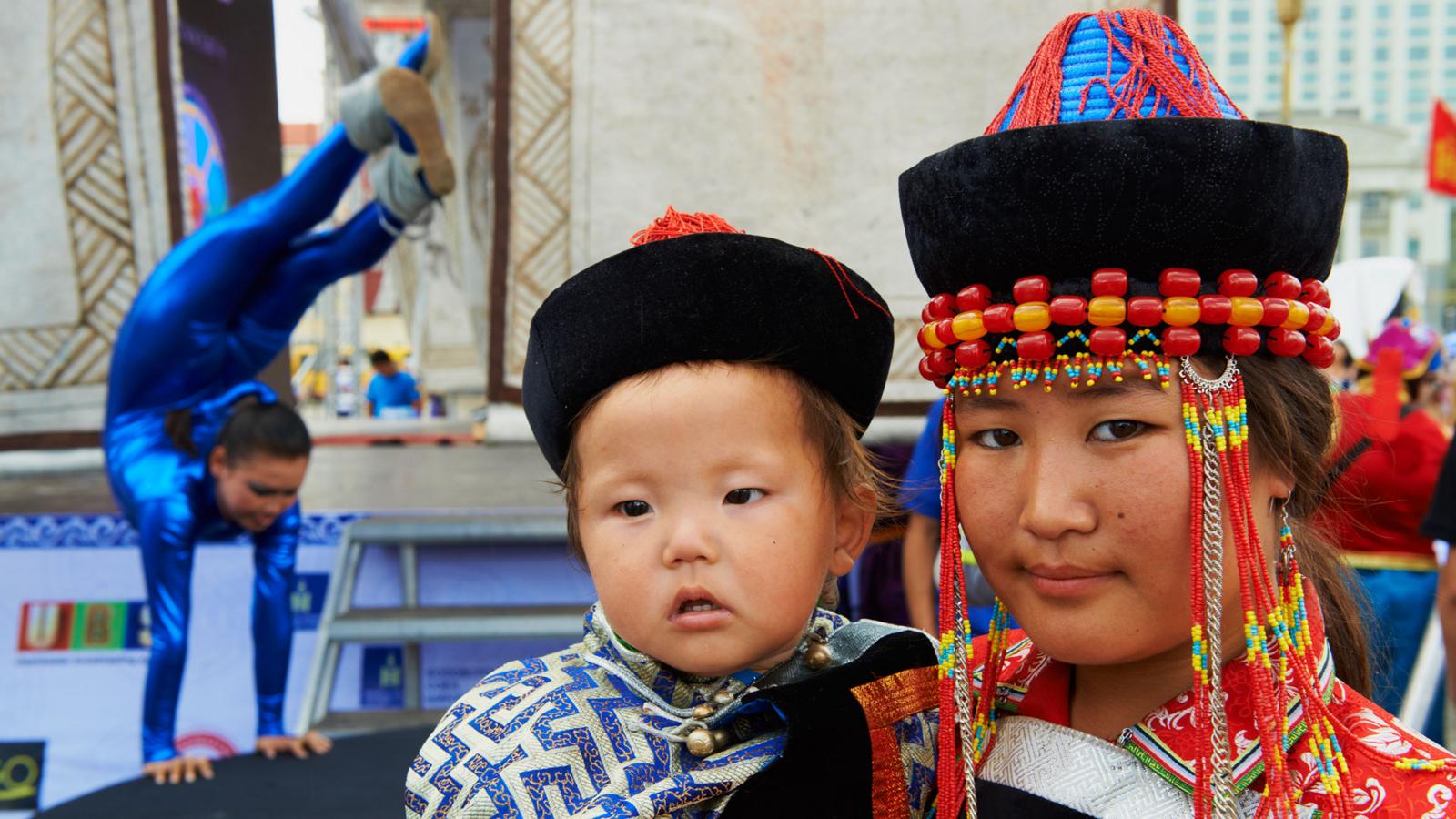
Even still, Ganbat said visitors can catch a glimpse of the country’s ancient bow and arrow practices at Naadam, the country’s largest festival. Held annually in the capital city Ulaanbaatar in July, the festival showcases horse racing, archery and wresting.
Naadam, Mongolia's largest festival (Credit: Bruno Morandi/Getty)
Traditional attire and a contortionist help celebrate Naadam. (Bruno Morandi/Getty)
The population remains connected to its traditional roots, with 10 to 15% of residents maintaining a traditional nomadic lifestyle. Even so, locals do not sacrifice modern conveniences. “Mongolians hate to be disconnected from the world,” Ganbat said. “For this reason, the internet connection speed is one of the fastest [in the world]” and those that live in the countryside still have cell phones, satellite TV and even solar panels.
GuyanaDhanishry Narine reminded readers that her country was in South America, not in Africa as many think, perhaps due in part to Guyana's yellow, red, green and black flag, or its name’s similarity to Africa’s Guinea Bissau.
Located in the northern part of the continent, Guyana is “more culturally Caribbean than South American”, having been colonized by several nations, including England, France, Spain and the Netherlands. “We’re working on feeling more South American," Narine said. “By having roads that connect to Venezuela, Suriname, and Brazil, this will change our culture again.”
The Guyanese cuisine reflects its history of so many ethnic groups. “[We have] Indian roti and curries, African meterngie (a soup with ground provisions and dumplings), European bread pudding and cheese rolls, and Chinese lowmein and chowmein,” Narine said.
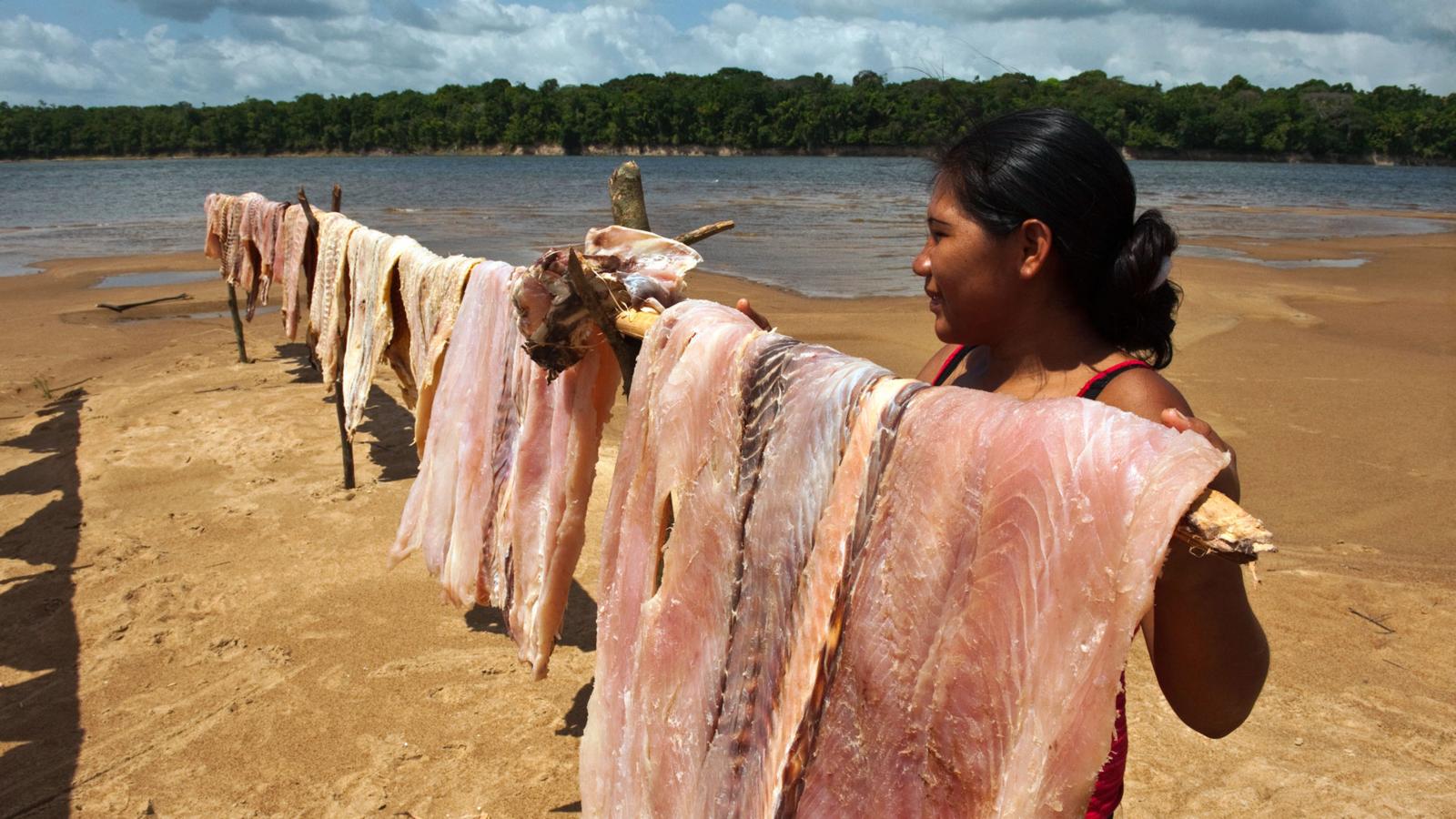
Arapaima in Rupununi, Guyana (Credit: Danita Delimont/Getty)
A woman dries out arapaima, a South American tropical freshwater fish, in Rupununi, Guyana. (Danita Delimont/Getty)
Lucky for visitors, the Guyanese are also a food-sharing people. “If you’re ever over at one of our houses, we’ll probably have to fight the urge to feed you, and to insist that you take leftovers for your family as well.”
KazakhstanThanks to the Sasha Baron Cohen film Borat, Kazakhstan residents felt like they needed to change a few of the misperceptions the film created.
“Kazakhstan actually exists and was not made up by Borat, and it is huge,” said Berik Dossayev. As proof, Dossayev shared photos of his modern city Almaty (the country’s largest city and bidder for the 2022 Olympics), fields of poppies, and rolling meadows and lakes with towering mountains in the distance.
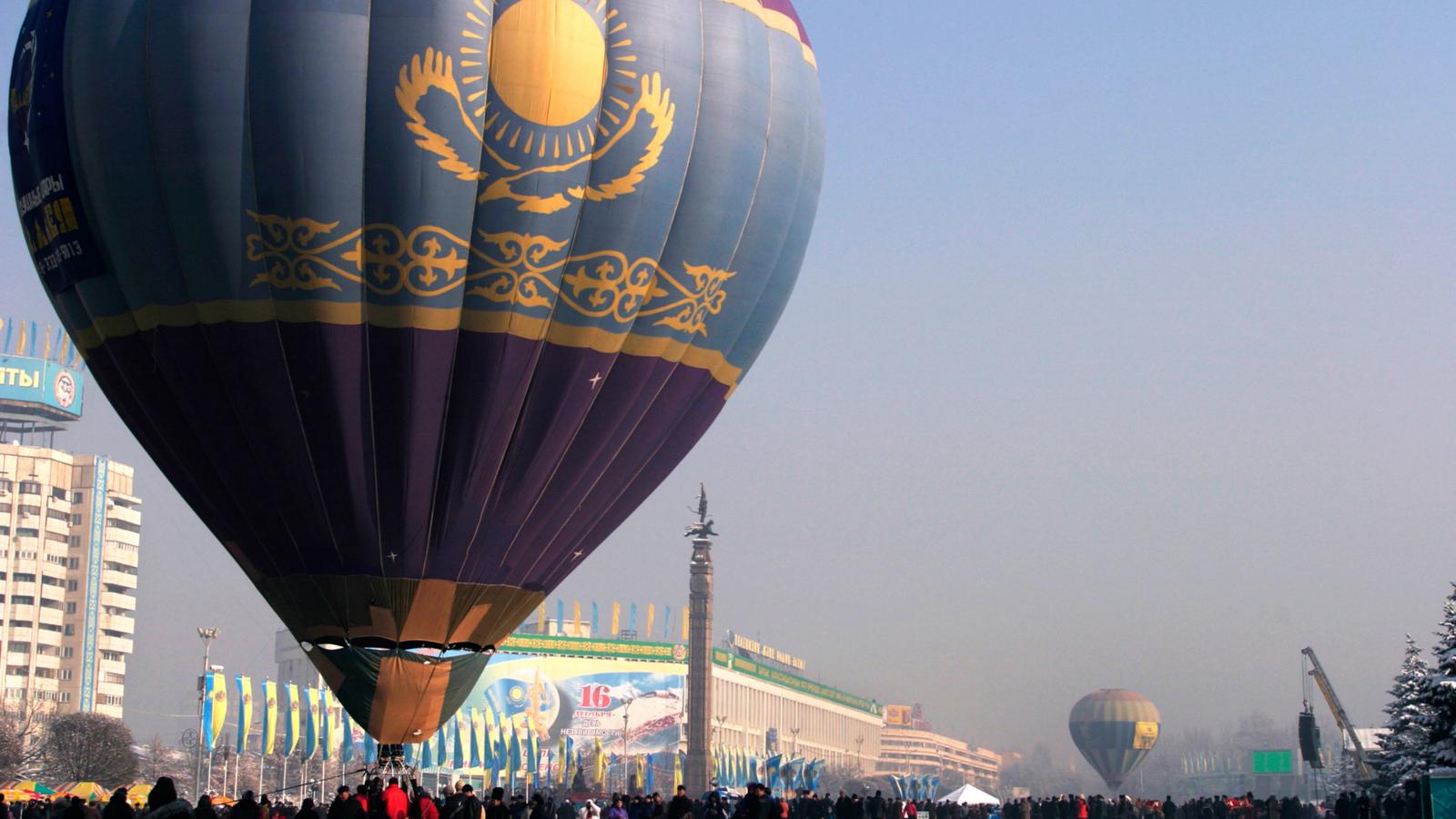
Independence Day in Almaty, Kazakhstan (Credit: Christopher Herwig/LPI/Getty)
Independence Day in Almaty, Kazakhstan. (Christopher Herwig/LPI/Getty)
BurmaThis southeastern Asian country, also known as Myanmar, has seen its fair share of turmoil and government corruption, said Quora user Ei Wai. “The current government has improved, but they still can’t overcome many problems from the past,” she said.
Still, Wai said she is hopeful that leaders like Daw Aung Sann Suu Kyi, a parliament politician and Nobel Peace Prize winner, can change the current situation. She also hopes the country’s history does not deter people from enjoying the hospitable culture and stunning historical sites. 
“Every part of our country has beautiful places,” she said. “I hope you will enjoy your holiday there.”
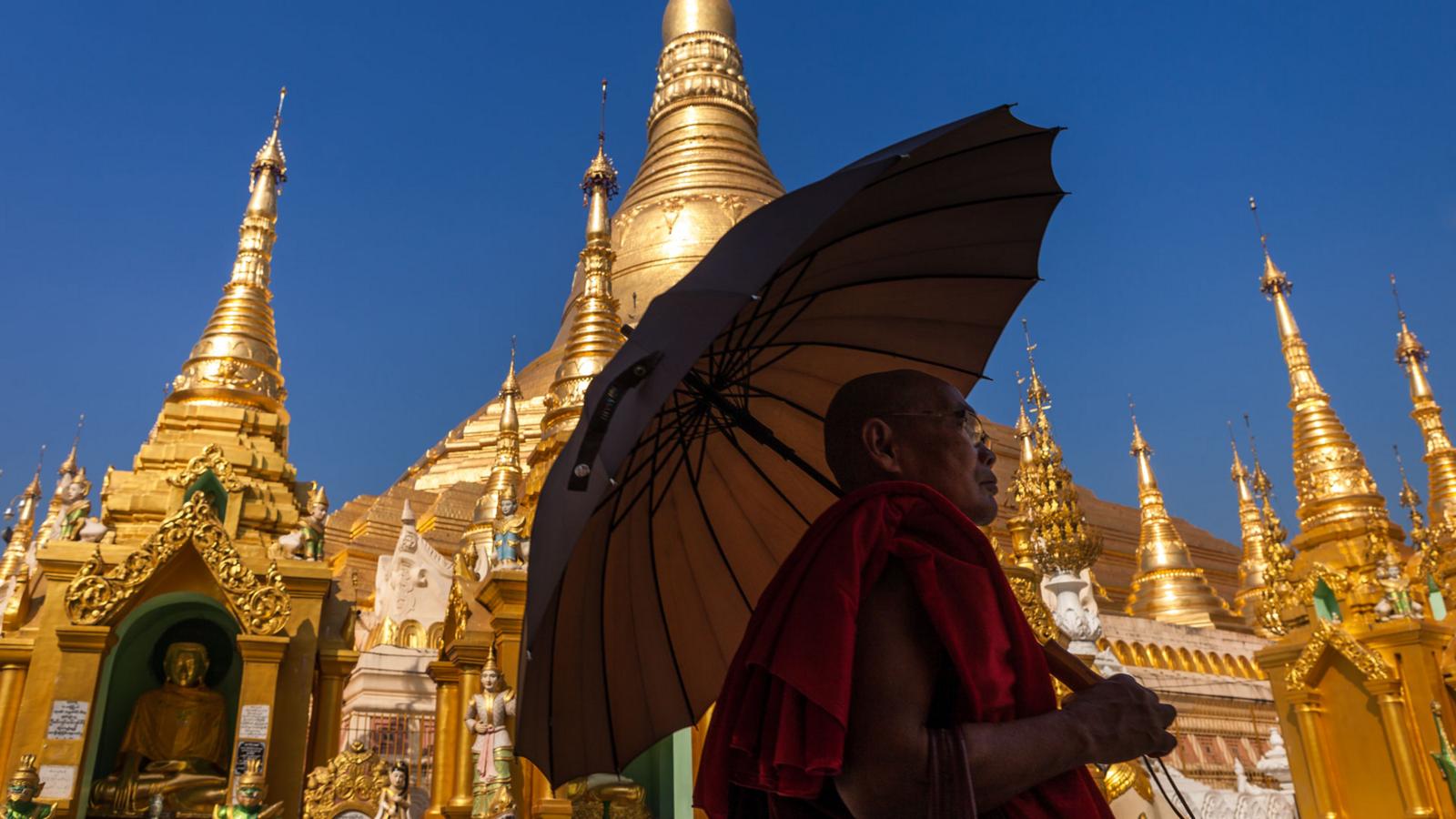
Her must-see list included Bagan, “an ancient and historic city”; the Shwedagon Pagoda, “famous for the over 40 tons of gold that people donated to the pagoda”; and Kyaik Htee Yo Pagada (or Golden Rock), a rock that “seems to defy gravity, as it perpetually appears to be on the verge of rolling down the hill”.
A Buddhist monk walks around Rangoon's Shwedagon Pagoda (Credit: Marjorie Lang/Getty)
A Buddhist monk walks around Rangoon's Shwedagon Pagoda. (Marjorie Lang/Getty)

  • By Lindsey Galloway, www.bbc.com


Monday, March 23, 2015

Top 10 Luxury Safari Spots To See Zebra

Now we know these amazing animals are perhaps a little undervalued compared to their big cat competition, but they are wonderful to watch and see when you are on safari – and you probably wouldn’t feel like you’d been to Africa without having seen a zebra. They have fascinating family connections and relationships, and wonderful predator warning systems so they really are fascinating. Some luxury safari camps and lodges are lucky enough to have zebra which graze around the camp, and this makes for a wonderful relaxing afternoon watching them play, graze and generally just be the happy animals they are known to be. Zebra foals are also one of the most endearing of all the African babies. Here are our top ten luxury safari spots to see zebra:
1. The Masai Mara, Kenya
Now of course this was always going to be the first mentioned, every year between July and October thousands upon thousands of zebra crowd into this amazing area of vast plains, river and escarpments with the annual Wildebeest Migration. To see them in their thousands is really breathtaking and contrary to popular opinion if you stay on one of the private conservancies you will find you will not see other tourists at all.
Masai Mara zebra
2. The Serengeti, Tanzania
Again, of course this amazing area full of game had to get a mention – here you can see the Zebra and Wildebeest Migration in full swing all year round, even when it crossed into Kenya some of the herds remain in the far North of the Serengeti. Again it is the private conservancies surrounding the Serengeti that make for the most exclusive luxury safari.
Serengeti zebra
3.  Lewa Wildlife Conservancy, Northern Kenya
This beautiful area is one of the best places in Kenya to see rhino but also plays host to the endangered Grevy’s Zebra, an altogether fluffier, cuter and more endearing version of the zebras found in Southern Kenya. Their huge satellite dish ears and brown stripes make for fantastic vintage looking photographs, to complete your luxury safari album.
Lewa zebra
4. Samburu National Reserve, Northern Kenya
Due to the fast flowing Ewaso Nyiro River, which passes through Samburu this area attracts a lot of game, and the Grevy’s Zebra who live here also live with gerenuks and other rare species not seen in Southern Kenya.
Samburu zebra
5. Okavango Delta, Botswana
This vast wetland attracts much game due to its lush vegetation and permanent water supplies – luxury safaris here are famous for being some of the most exclusive and private in the world, and the game viewing never disappoints. Due to the flat nature of the Delta the sunrises and sunsets are particularly colourful, which makes for excellent photographic opportunities when you do find your herd of zebra.
Okavango Delta zebra
6. The Makgadikgadi Pans, Botswana
Unbeknown to even the most intrepid luxury safari enthusiast this area plays host to the second largest zebra migration during the months of February and March. Here you can see them flock into this area of the Makgadikgadi and Kalahari and the remote and wild feeling you get here just makes seeing them even more special, especially since you won’t see another soul.
Makgadikgadi zebra
7. Etosha National Park, Namibia
This area is made up of a large salt pan and has abundant game – plains game absolutely thrives here which is why predators do too. Here you will enjoy a variety of game species when on a luxury safari, from rhinos to cats, and lots of zebra in between.
Etosha zebra
8. Samara Game Reserve, Eastern Cape, South Africa
Here the emphasis is on freedom – the reserve is so beautiful it will take your breath away and the abundance of plains game only means one really can get out of the vehicle and explore on foot. Here the zebras and other species look picture perfect strolling over grassy hills and rocky mountains.
Samara zebra
9. Liuwa Plains, Zambia
This area is so remote that you can only go there on scheduled departures with famous safari operator Norman Carr. Here plains game thrives, as do predators such as cheetah, wild dog and hyena, who all love hunting the zebras and other species on the vast open short grass plains.
10. Tswalu Kalahari, South Africa
Once again we look at an area which offers the plains game wide open spaces and short grass plains – Tswalu is one of the most beautiful private reserves in Africa and there are tonnes of game species which thrive here, zebra being amongst them.
Tswalu zebra
Contributed by Rose Hipwood, Managing Director of The Luxury Safari Company A Luxury Travel Blog
Follow us on Twitter: @TraveloreReport

Tuesday, February 17, 2015

Yellow Fever Vaccination No Longer Required To Travel Between Zambia and SA


·      Zambia is now a Yellow Fever free zone
·      The South African Department of Health declares that it is no longer required to obtain a vaccination certificate


The South African Department of Health has officially lifted the requirement that yellow fever vaccinations are needed to travel between Zambia and South Africa.
After being declared a yellow fever free zone by the World Health Organisation (WHO) in January, the South African health department has now announced that travelers no longer need to obtain certification of vaccination.
The decision was made official at the World Health Assembly on Friday 30th January in Geneva, following the confirmation by the WHO that Zambia has a low yellow fever potential exposure status.
This is great news for travelers as they will be able to cross from South Africa to Zambia and visit Victoria Falls - one of the Seven Wonders of the World, without the requirement of the vaccination.
Ms. Emmanuelle Moneger, General Manager of The Royal Livingstone Hotel, comments:
“We are delighted that the Department of Health have officially announced that travelers no longer need the yellow fever vaccination. We feel that this factor deterred many of our visitors to be able to cross from Zambia to South Africa and get the chance to visit the breathtaking Victoria Falls and enjoy a truly unforgettable experience. We hope that we will see many more tourists and guests crossing over both sides of these beautiful destinations, now that Zambia is yellow fever free.”

Tuesday, December 16, 2014

From Brazil To Borneo - Wild Planet Adventures Reveals Five Wildlife Travel Secrets You Must Know For 2015


Five-time National Geographic Traveler magazine “world’s best” award winner, Wild Planet Adventures (http://www.wildplanetadventures.com/) is ahead of the curve when it comes to knowing when and where to encounter the world’s most extraordinary creatures. The experts who view wildlife through habitat-sustaining practices share five wildlife travel secrets from Brazil to Borneo that every nature-loving traveler should know for 2015.
 
The top five upcoming destinations for wildlife enthusiasts for 2015 include Brazil, Borneo, India, Thailand and Zambia. Over the last year, each of these countries has triumphed over a challenge, undergone a shift or revealed a special secret relevant to wildlife travel according to Josh Cohen, founder of Wild Planet Adventures and his global staff of wildlife experts. For the complete article seehttp://www.wildplanetadventures.com/post-detail?detail=5-wildlife-travel-secrets-you-must-know-for-2015. Below are the highlights:
 
1) India’s Remote Assam Region: #1 Up & Coming Wildlife Destination for 2015 – In India’s northeast, the Assam region (between Bhutan, Bangladesh, Nepal, Tibet and China) is a melting pot of cultures and cuisines encompassing two UNESCO World Heritage Sites: the national parks of Manas and Kaziranga.
 
The secret, says wildlife expert Cohen: “Kaziranga’s huge concentrations of game rivals many parks in Africa. On safari here it’s typical to see over 40 Rhino, several herds of wild Elephant, up to 500 Ungulate and perhaps even a Tiger, all in your field of vision at once!”  With Wild Planet’s sustainable protocols, guests track Tigers by listening to warning cries, looking for pug marks and tracking kills, “which creates a more authentic, exciting and participatory wildlife safari experience.”  For trip details see: http://www.wildplanetadventures.com/destinations/?country=india
 
2) Brazil – The #1 Hot Travel Destination for 2015 – The World Cup and Olympic exposure have catapulted Brazil to the top of Wild Planet Adventure’s list of MOST popular destinations for 2015. The combination of safaris to spot Jaguar in the Pantanal (averaging nearly two sightings per day) with the wonders of the Amazon have created unprecedented demand. Many of fazienda (horse-ranch lodges) in the Pantanal report they are already nearly sold out for the 2015 season.
 
The secret? “Interested travelers MUST make their reservations now for the 2015 peak jaguar viewing season that starts in early July and continues through the end of October,” says Cohen. Wild Planet’s itinerary also includes a Primate Program designed by a primatologist to view rare primates in the Amazon, plus options for Iguassu Falls, Rio and more. For trip details see:http://www.wildplanetadventures.com/destinations/?country=brazil
 
3) Thailand’s Secret Wildlife Sanctuaries Bordering Myanmar Are Now Open to US Travelers – The secret is that Wild Planet Adventures is the only US operator bringing guests to Kaeng Krachan National Park and Klong Seang Wildlife Sanctuary, the two best national parks in Thailand for exotic wildlife encounters. Kaeng Krachan is the largest and least visited national park in Thailand, with the most volume of wildlife of any park in the region. Nestled up against the remote mountains at Myanmar’s border, safaris in Kaeng Krachan are done by 4WD Jeep and by foot, both day and night. The park is home to Tiger, Black Leopard, Wild Elephant, Asiatic Black Bear, Gibbon, Langur, Slow Loris, six species of Hornbill and more. Klong Seang is a wildlife sanctuary on the far northeast corner of a 185 sq. km. lake, where Cohen’s team brings guests by long-tail boat and kayak (for silent approach to the animals) from their base at a spectacular floating aqua-lodge. Klong Seang is known for its healthy populations of Guar and is home to the extremely rare Clouded Leopard as well as Wild Boar, Wild Elephant, Monitor Lizard, and other animals. Most travelers combine these parks with a few days of culture and an elephant camp in Chiang Mai and end their trip with snorkeling on Thailand’s best islands. For trip details see:http://www.wildplanetadventures.com/destinations/?country=thailand&trip=hidden-thailand-14-day-eco-tour
 
4) Borneo –2014 May Have Been the Year We Saved the Most Human of All Primates – The demand for palm oil (in roughly 60 percent of all goods on today’s supermarket shelves) has brought to near extinction Borneo’s population of Orangutan, the “holy grail” for wildlife travelers.
 
However, the secret is that, “In 2014 manufacturers responsible for producing nearly 60% of the world’s palm oil pledged to use responsible forest-friendly practices. This is a major breakthrough that will help preserve what’s left of the critically threatened habitat for endangered wild Orangutan populations.”
 
In Cohen’s experience, “There is not another animal alive more capable of creating the magical connection between traveler and wild animal than the Orangutan. It’s what wildlife lovers dream of. That’s not surprising, considering this great ape is one of humankind’s closest relatives, sharing 97% of our DNA. They are born with the ability to reason and think and considered to be one of the smartest mammals on Earth. Nevertheless, many travelers are completely unprepared for just how deeply touched they are by Orangutan displays of love, nurturing young, playfulness and courtship.”
 
The majority of visitors to Borneo only see Orangutan at rescue centers; however Wild Planet specializes in authentic expeditions to see these great apes in the wild, as well as Borneo’s other exotic wildlife including the Proboscis Monkey, Bornean Gibbon, Pygmy Elephant, Tarsier and Slow Loris. One of the world’s top five dive locations, the Sipadan reef in the Celebes Sea, is a must-see ending for any trip to Borneo. See:http://www.wildplanetadventures.com/destinations/?country=borneo&trip=weird-wonderful-wildlife-12-day-borneo
 
5) Zambia Is the Prime Destination for African Safaris Due to its Safety from Ebola – Demand for African safaris exploded in 2014 to an all-time high. However, the recent Ebola crises took wind out of the safari sails.
 
The secret: “While fewer people are traveling to Africa for safari because of the Ebola fear, Zambia is 100% clear of the crisis and located 5,300km from the nearest Ebola outbreak; flights to Zambia do not stop in Ebola affected zones and Zambia was one of the first countries to ban travelers from affected areas in order to protect its safari economy,” says Cohen. “Zambia couldn’t be more safe.”
 
Zambia’s remoteness and multitude of eco-systems also offer significant advantages over more commercial safaris in Kenya, South Africa, Tanzania or other Africa countries.  It’s the birthplace of the walking safari and home to Africa’s best canoe safari (on the Zambezi River at the UNESCO World Heritage Site of Mana Pools). Wild Planet offers a multitude of award-winning Zambia safari options including walking, canoeing and jeep safaris with legendary master guides. See:http://www.wildplanetadventures.com/destinations/?country=zambia
 
For detail tour itineraries, availability and booking information, call toll-free 1.800.990.4376, visit http://www.wildplanetadventures.com/ or contacttrips@wildplanetadventures.com.

About Wild Planet Adventures
The expert wildlife guides of Wild Planet Adventures go the extra mile to explore remote wildlife habitat and study wildlife patterns in destinations not often accessible to the general public. Thanks to the company’s comprehensive itineraries that balance diverse and complex ecosystems and habitats, guests enjoy wildlife and game viewing that is carefully aligned with animals’ seasonal, daily and nocturnal migrations.
 
Following a philosophy that interacting with nature has the power to transform lives, tours are conducted in Africa, Borneo, Brazil, Costa Rica, Galapagos, India, Laos, Nepal, Panama, Peru, Thailand and Zambia.