Showing posts with label Africa. Show all posts

Monday, December 15, 2025

Liberia: Royal Air Maroc To Launch Africa’s First Direct Flight To U.S. West Coast In 2026

In a major leap for African aviation, Morocco’s national airline, Royal Air Maroc (RAM), announced on Thursday that it will inaugurate a historic nonstop route between Casablanca and Los Angeles beginning June 7, 2026.

The service Africa’s first direct air link to the U.S. Pacific Coast marks a significant expansion in global connectivity and positions Morocco as a central bridge between Africa, Europe, and the Americas.

A Milestone 12-Hour Direct Connection

According to the airline, the new route will operate three times per week and offer a flight time of approximately 12 hours, making it one of RAM’s longest intercontinental services.

The launch comes amid rapidly rising transatlantic travel demand and just months before the 2026 FIFA World Cup, jointly hosted by the United States, Mexico, and Canada.

The U.S. hosted over 70 million international visitors in 2023, with West Coast tourism rebounding strongly conditions RAM aims to leverage.

Targeting Diaspora, Tourists, and World Cup Travelers

RAM says the service primarily targets:

The Moroccan and African diaspora in the U.S.

American leisure travelers

Business communities across the Pacific Rim

Football supporters heading to the 2026 World Cup, expected to draw up to 5 million international fans

“This direct route to Los Angeles is much more than a new destination. It is a historic milestone for the airline and for Africa’s air connectivity,” said Hamid Addou, RAM’s Chairman and CEO.

He emphasized that the expansion aligns with Morocco’s strategy to strengthen tourism, investment flows, and cultural linkages with the United States already one of Morocco’s fastest-growing visitor markets.

Strengthening Casablanca as a Continental Aviation Hub

With this addition, Casablanca’s Mohammed V International Airport reinforces its role as one of Africa’s top air hubs.

Prior to the announcement, the airport handled over 10 million passengers annually, connecting more than 100 destinations worldwide.

RAM currently serves five major cities in North America—New York, Washington, Miami, Montreal, and Toronto.

The Los Angeles route becomes the airline’s sixth North American destination and its first on the U.S. West Coast.

The rollout also complements RAM’s broader long-term development plan, which includes:

Expanding the fleet to more than 200 aircraft by 2037

Opening new long-haul destinations in the Americas, Middle East, and Asia

Increasing frequencies on strategic routes such as São Paulo, Dubai, Miami, and Washington

Boeing 787 Dreamliners to Serve the Route

Flights will be operated using Boeing 787 Dreamliners, a modern aircraft family known for:

Lower fuel consumption

Larger cabin windows

Enhanced humidity and pressurization systems

Improved passenger comfort and reduced jet lag

The 787 fleet has been central to RAM’s global expansion strategy, enabling longer nonstop routes while maintaining competitive operating costs.

Flight Schedule

Casablanca → Los Angeles

Tuesdays, Fridays, Sundays

Departure: 04:00

Arrival: 08:20 (same day)

Los Angeles → Casablanca

Tuesdays, Fridays, Sundays

Departure: 10:20

Arrival: 05:25 (next day)

Boosting Morocco’s Global Reach Before 2030 World Cup

The announcement further strengthens Morocco’s international profile ahead of the 2030 FIFA World Cup, which it will co-host with Spain and Portugal.

Improved air accessibility is expected to play a crucial role in positioning Morocco as a premier global tourism and investment destination.

With the new Casablanca–Los Angeles route, Royal Air Maroc confirms its ambition to remain one of Africa’s leading global carriers, helping connect the continent to major economic and cultural hubs around the world.
By: Julius Konton

Thursday, March 6, 2025

Delta’s First flight To Morocco Takes Off October 2025

Delta expands its African footprint with nonstop service from Atlanta to Morocco’s “Red City” and adds seasonal flights to Accra.

Delta is expanding its African network with new nonstop routes from Atlanta, including its first-ever service to Marrakech, Morocco*, starting Oct. 25. The airline is also adding seasonal service from Atlanta to Accra, Ghana, beginning Dec. 1, to meet peak winter demand. With these additions, Delta is making both destinations more accessible while bringing its renowned premium experience to more of Africa.

Since launching service to Africa in 2006, Delta has remained committed to connecting customers between the U.S. and the continent. Today, the airline operates nonstop flights to five African destinations year-round and has carried more than 7.5 million customers on these routes.

“Delta’s new service to Marrakech and added flights to Accra strengthen our presence in Africa, offering more opportunities for customers to enjoy our award-winning service and premium onboard experience,” said Paul Baldoni, Senior Vice President of Network Planning at Delta. “Whether discovering Morocco or reconnecting with loved ones in Ghana, these routes enhance our network while reinforcing Atlanta’s role as the world’s largest global hub.”

A new gateway to the magic of Marrakech

With its centuries-old traditions, vibrant souks and world-class luxury, Marrakech is a city that captivates the senses at every turn. As interest in Morocco increases, Delta’s new service—featuring one-stop connections from over 125 cities—opens the door to this UNESCO-listed destination like never before.

Customers can immerse themselves in the lively Medina of Marrakech, weaving through bustling markets and tranquil riads with sun-drenched courtyards. They can marvel at the intricate tilework of the Bahia Palace, feel the energy of Jemaa el-Fnaa Square and unwind with the soothing ritual of a hammam spa; each experience is a perfect blend of culture and relaxation, complemented by Morocco’s bold, aromatic cuisine. Just beyond the city, travelers can trek through the Atlas Mountains or escape to the serenity of a desert retreat.

Delta’s Atlanta-Marrakech flight, ATL-RAK, will operate three-times-weekly on a Boeing 767-400ER, featuring Delta One, Delta Premium Select, Delta Comfort+ and Main Cabin. Delta One offers lie-flat seats, premium amenities and chef-curated meals, including a build-your-own ice cream sundae. Delta Premium Select provides a wider seat, deeper recline and an enhanced dining experience. 

Now boarding: fast, free Wi-Fi on routes to West Africa

Delta is on a journey to bring fast, free Wi-Fi to its entire global fleet – connectivity at an unprecedented scale that remains unmatched in the industry. SkyMiles Members traveling to Morocco on Delta can look forward to reliable, streaming-quality connectivity from the time the boarding door closes to the moment the plane arrives at the gate, allowing them stay connected and entertained – just like they would at home, for free. Expansion to remaining international routes is well underway, with all additional routes to West Africa (Lagos, Dakar and Accra) expected to be available with fast, free Delta Sync Wi-Fi in the coming weeks - in addition to Marrakech when it begins service in October.

More Accra Service

With strong demand from U.S.-Africa travelers, Accra remains one of Delta’s most popular African destinations, especially during the holiday season.

To accommodate peak demand, Delta is launching seasonal daily nonstop service from Atlanta to Accra, complementing its daily year-round service from New York-JFK.

Following the debut of the Airbus A330-900neo on the JFK-ACC route last October, the same aircraft type will now also operate on the Atlanta route, offering an elevated onboard experience featuring Delta One Suites and next-generation comfort across all cabins.

“Africa is home to some of the world’s most dynamic cities, rich traditions, and growing economies, and Delta is making it easier than ever to reach them,” said Matteo Curcio, Senior Vice President of Europe, the Middle East, Africa, and India at Delta. “These new routes open doors for travelers seeking business opportunities, cultural exploration, and meaningful connections.”

Continued Investments in Atlanta

Atlanta is Delta’s largest hub, operating nearly 1,000 daily flights and connecting travelers to 215 destinations worldwide. With the addition of Marrakech, Delta offers 67 international destinations from Atlanta, reinforcing its position as a global gateway with other recent additions including Naples and Brussels.

Additionally, Delta has invested more than $12 billion into modernizing its hub network, including major enhancements at Hartsfield-Jackson Atlanta International Airport:

A new 24,000-square-foot Delta Sky Club — the largest in the airport — opening this spring on Concourse D, featuring panoramic views and amenities for every type of traveler

Upgrades to Delta Sky Clubs on Concourses A and C designed to elevate the guest experience

The expansion of Concourse D, adding more gate space and improving passenger flow.

Delta Digital ID enabling eligible travelers to move through security and bag drop seamlessly without showing a physical ID or boarding pass.

These investments continue to elevate the travel experience for customers flying through Atlanta, whether they’re heading to Marrakech’s colorful souks, Accra’s lively streets or anywhere else in the world.

*subject to government approval

Thursday, August 11, 2022

African Wildlife Parks Face Climate, Infrastructure Threats

MOMBASA, Kenya (AP) — Africa’s national parks, home to thousands of wildlife species such as lions, elephants and buffaloes, are increasingly threatened by below-average rainfall and new infrastructure projects.

A prolonged drought in much of the continent’s east, exacerbated by climate change, and large-scale developments, including oil drilling and livestock grazing, are hampering conservation efforts in protected areas, several environmental experts say.

The at-risk parks stretch all the way from Kenya in the east — home to Tsavo and Nairobi national parks — south to the Mkomazi and Serengeti parks in Tanzania, the Quirimbas and Gorongosa parks in Mozambique and the famous Kruger National Park in South Africa, and west to the Kahuzi Biega, Salonga and Virunga reserves in Congo.

The parks not only protect flora and fauna but also act as natural carbon sinks — storing carbon dioxide emitted into the air and reducing the effects of global warming.

An estimated 38% of Africa’s biodiversity areas are under severe threat from climate change and infrastructure development, said Ken Mwathe of BirdLife International.

“Key biodiversity areas over the years, especially in Africa, have been regarded by investors as idle and ready for development,” said Mwathe. “Governments allocate land in these areas for infrastructural development.”

He added that the “powerlines and other energy infrastructure cause collisions with birds, due to low visibility. The numbers killed this way are not few.”

In their quest to bolster living standards and achieve sustainable development goals, such as access to clean water and food, boosting jobs and economic growth and improving the quality of education, African governments have set their sights on large building projects, many of them funded by foreign investments, especially by China.

The proposed East African Oil Pipeline, for example, which the Ugandan government says can help lift millions out of poverty, runs through Uganda’s Kidepo valley, Murchison Falls and Bwindi Impenetrable Forest, threatening species and drawing criticism from climate campaigners.

The growth of urban populations and the building that goes with it, like new roads, electricity grids, gas pipes, ports and railways, have also added to the pressure on parks, conservationists said.

But they add that replacing wildlife with infrastructure is the wrong approach for economic growth.

“We have to have a future where wildlife is not separated from people,” said Sam Shaba, the program manager at the Honeyguide Foundation in Tanzania, an environmental non-profit organization.

When “people start to see that living with wildlife provides the answer to sustainable development ... that’s the game-changer,” said Shaba.

Most of Africa’s wildlife parks were created in the late 19th and early 20th centuries by colonial regimes that fenced off the areas and ordered local people to stay out. But now conservationists are finding that a more inclusive approach to running the parks and seeking the expertise of Indigenous communities that live around the parks can help protect them, said Ademola Ajagbe, Africa regional managing director of The Nature Conservancy.

“The inhabitants of these areas are forcefully evicted or prevented from living there such as the Maasai (in Tanzania and Kenya), Twa and Mbutis (in central Africa) who for generations have lived with wildlife,” said Simon Counseill, an advisor with Survival International.

“Africa is depicted as a place of wildlife without people living there and this narrative needs to change,” he said.

“If we don’t pay attention to communities’ social needs, health, education and where they are getting water, we miss the key thing,” said John Kasaona the executive director of the Integrated Rural Development in Nature Conservation in Namibia.

The effects of worsening weather conditions in national parks due to climate change should also not be ignored, experts said.

A recent study conducted in Kruger National Park linked extreme weather events to the loss of plants and animals, unable cope with the drastic conditions and lack of water due to longer dry spells and hotter temperatures.

Drought has seriously threatened species like rhinos, elephants and lions as it reduces the amount of food available, said Philip Wandera, a former warden with the Kenya Wildlife Service who’s now range management lecturer at the Catholic University of East Africa.

More intensive management of parks and removing fences that prevent species from migrating to less drought-prone areas are important first steps to protecting wildlife, Wandera said.

He added that financial help to “support communities in and around national parks” would also help preserve them.

Sunday, July 4, 2021

Travelore Health Alert: South Africa’s New Coronavirus Cases Surge To Record Levels

JOHANNESBURG (AP) — South Africa’s resurgence of COVID-19 is setting record numbers of new daily cases, centered in Johannesburg and driven by the delta variant, health officials said Sunday.

More than 26,000 new cases were reported on Saturday, up from 24,000 the previous day, according to the National Institute for Communicable Diseases, surpassing the highest number of new cases in previous waves and quickly bringing many hospitals to capacity. More than 13,800 COVID-19 patients are currently in South African hospitals where some facilities are canceling elective surgeries to free up beds and health care workers.

South Africa’s official death toll has risen above 63,000, although statistics on excess deaths suggest the country’s actual number of virus fatalities may be more than 170,000.

South Africa’s 2 million cases account for more than 30% of the cases reported by Africa’s 54 countries, according to the Africa Centers for Disease Control and Prevention.

President Cyril Ramaphosa last week increased restrictions to try to reduce the spread of the virus, including extending a nighttime curfew, banning the sale of alcohol, closing many schools and stopping travel into and out of Gauteng, the country’s most populous province that includes Johannesburg and the capital, Pretoria. Gauteng accounts for more than 60% of the new cases and officials fear other provinces and cities will soon follow.

After a slow start, South Africa’s vaccination drive is picking up pace but is still far behind developed nations. To date, more than 3.3 million of South Africa’s 60 million people have received at least one jab of the Pfizer or Johnson & Johnson vaccines. The inoculation campaign started with health care workers, those aged 60 and over and schoolteachers. On Monday police can get a jab and soon those 50 and over can too.

The nation’s Health Products Regulatory Authority on Saturday authorized the vaccine manufactured by China’s Sinovac, providing that it submits final results of ongoing clinical studies.

Neighboring southern African countries including Mozambique, Namibia, Zambia and Zimbabwe are also struggling to cope with a surge of infections.

Friday, November 13, 2020

South Africa Reopens To Foreign Travelers Amid Virus Creep

JOHANNESBURG (AP) — In an effort to revive its tourism industry, South Africa has opened up international travel to visitors from all countries, President Cyril Ramaphosa has announced. South Africa will now admit foreign visitors providing they produce negative COVID-19 test results, Ramaphosa said in a broadcast address Wednesday night. This step, making South Africa one of the world’s countries most open to international travel, comes as cases of the disease are slowly increasing in the country. Ramaphosa said his government will closely monitor any signs that international visitors increase transmission rates.
“By using rapid tests and strict monitoring we intend to limit the spread of the infection through importation,” said Ramaphosa. “We expect that these measures will greatly assist businesses in the tourism and hospitality sectors.” After closing its borders as part of one of the world’s strictest lockdowns imposed at the end of March, South Africa has gradually reopened, resuming international flights on Oct. 1 but not admitting travelers from countries with high infection levels. Now that restriction has been removed, Ramaphosa said. With a cumulative total of more than 740,000 confirmed cases of COVID-19, including just over 20,000 deaths, South Africa has nearly 40% of Africa’s total number of more than 1.9 million reported cases, including 46,272 deaths, according to the Africa Centers for Disease Control and Prevention. South Africa, with a population of 60 million people, has reported a disproportionately high level of cases for the continent of 1.3 billion in 54 countries. At its first peak of COVID-19 in late July, most of South Africa’s hospitals succeeded in coping with patients. Hospitalizations and deaths dropped in August and September but in recent weeks, cases have begun to climb. The 7-day rolling average of daily new cases in South Africa has risen over the past two weeks from 2.74 new cases per 100,000 people on Oct. 28 to 2.85 new cases per 100,000 people on Nov. 11. The 7-day rolling average of daily deaths in South Africa has risen over the past two weeks from 0.09 deaths per 100,000 people on Oct. 28 to 0.10 deaths per 100,000 people on Nov. 11. South Africa’s upward creep is part of an increase across the continent. Africa’s top public health official said the continent has seen an average 8% rise in new coronavirus cases over the past month.
“We expected it to happen,” John Nkengasong, director of the Africa CDC said Thursday, warning that when the virus comes back for a second wave, “it seems to come back with a lot of full force.” The African continent is “at a critical point in the response,” he said, again urging governments and citizens to follow public health measures. Testing across Africa remains a challenge, with 19 million tests conducted so far. Countries with the highest increase of cases in the past week include Congo at 37%, Kenya at 34% and Nigeria at 17%. In South Africa, Ramaphosa warned that citizens must remain vigilant to try to prevent a fresh resurgence of the disease, warning that the Eastern Cape province is experiencing a worrying increase. The number of new cases in the province has risen 50% in the past week and the total number of new cases in the last 14 days is around 145% higher than the previous 14 days, said Ramaphosa.
The president announced that South Africa has extended the country’s current COVID-19 restrictions, requiring people to wear masks in all public places, businesses and stores to keep people distanced and a nighttime curfew from midnight to 4 a.m. In one relaxation, liquor sales can now resume to ordinary trading hours. Ramaphosa said that the country was looking to secure a significant supply of COVID-19 vaccines when tests show they are effective and safe. “South Africa is collaborating with several multinational pharmaceutical companies to obtain a safe and effective vaccine for our people and is contributing towards the availability of the vaccine in the rest of the continent,” said Ramaphosa. “We are working through the African Centres for Disease Control and Prevention to acquire and fund a vaccine for the African continent. It is estimated that Africa will need around $12 billion and 750 million doses of an effective vaccine.” Last week, South African pharmaceutical firm Aspen Pharmacare announced a deal with the U.S. firm Johnson & Johnson to manufacture its COVID-19 vaccine candidate, if it is approved in South Africa and internationally. Aspen said that it would have a capacity to produce 300 million doses of the vaccine. The COVID-19 outbreak has taken a toll on South Africa’s economy since the lockdown was imposed in March. South Africa lost up to 2.2 million jobs in the second quarter of the year, taking the unemployment rate to a record high of 42%, according to official statistics. Africa’s most developed country slipped further into recession in the second quarter of the year, contracting by 51%. Its economy is expected to shrink by up to 8.2% in 2020, its central bank announced last month.

Wednesday, March 28, 2018

Prince Harry And Megan Markle Choose Namibia For The Royal Honeymoon

Prince Harry and Megan Markle Choose Namibia for the Royal Honeymoon
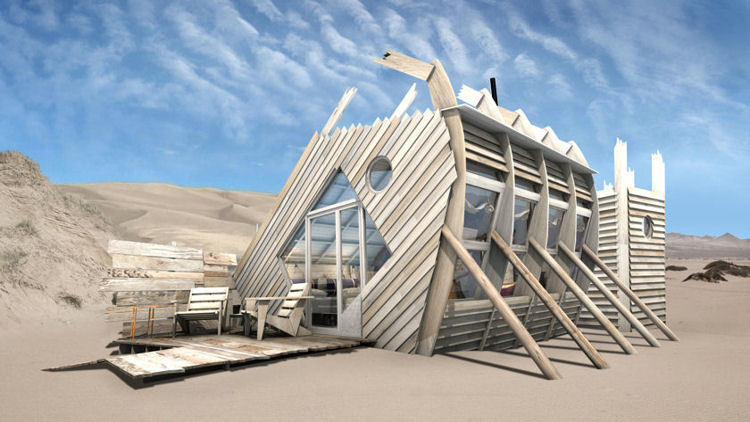
With news of Prince Harry and Megan Markle’s honeymoon destination of choice, Namibia is marking the arrival with three new lodges – Sossus Under Canvas, Shipwreck Lodge, and Hoanib Valley Camp – each bringing a very different offering to the tourism scene in the Namib Desert, the Skeleton Coast and Kaokoland.
Timbuktu Travel, the revolutionary safari company that aims to make Africa more accessible to all by empowering the traveler to design their own trip online, is delighted to see this expansion in new lodges because ‘it reflects the demand from 2018’s travelers for exciting, adventurous, transformative travel,’ CEO, Johnny Prince comments. ‘These new arrivals in Namibia will offer something new and exciting for families, daredevils and avid campers, as well as wildlife enthusiasts so we at Timbuktu are really excited about the year ahead for travelers to this wonderful , dramatic, country.’
NEW: April 2018: Sossus Under Canvas, Namib Desert, Namibia – FOR AVID CAMPERS
Sossus Under Canvas is an exciting semi-permanent tented camp in the Neuhof Nature Reserve of the Greater Sossusvlei-Namib area. The camp will open between April and November, bookable on an exclusive basis only, promising one of the most private, unique experiences in Namibia.
With eight Meru tents set within a naturally formed granite amphitheatre, each with an open-air bathroom and comfortable accommodation, this is about a real wilderness experience. Sossus Under Canvas will be one of the most environmentally sensitive camps in the country, operating on solar power, with buildings constructed entirely from recycled or natural materials – roofs built from old oil drums, canvas walls and recycled metals. Guests will enjoy multi-day walks, nights sleeping under the stars on magical fly camping expeditions, hot-air ballooning, fixed wing scenic flights, game drives and desert pool experiences.
Timbuktu Travel will offer stays at Sossus Under Canvas from £215 per person per night based on two sharing.www.timbuktutravel.com/lodge/sossus-under-canvasBest time to visit is between April – May and August – October.
NEW: June 2018: Skeleton Coast Shipwreck Lodge, Namibia – FOR FAMILIES & DAREDEVILS
Shipwreck Lodge will offer a completely unique place to stay amid the sweeping dunes of Namibia's Skeleton Coast – a strange and beautiful slice of African wilderness. Shipwreck Lodge is the very first lodge to be built in the Skeleton Coast Central Concession Area, creating a gateway for desert adventures and brilliant alternative safaris. All 10 chalets are designed to look like shipwrecks in the dunes at the mouth of Hoarusib River. Two spacious, connected family rooms make it a great choice for those traveling with children.
The coast provides wonderfully varied wildlife from seal and flamingo colonies, to hyena, desert-adapted lion and elephant. However, this is also a place of adventure…take a 4x4 to see the Suiderkus and Karimona shipwrecks and the remains of the Westies diamond mine; explore the Clay Castles – extraordinary structures carved by Hoarusib River in full flow, slide down the golden dunes, or visit the Mowe Bay seal colony.
Timbuktu Travel will offer stays at Skeleton Coast Shipwreck Lodge from £530 per person per night based on two sharing.https://www.timbuktutravel.com/lodge/skeleton-coast-shipwreck-lodge. Best time to travel from March - November
NEW: June 2018: Hoanib Valley Camp, Namibia – FOR WILDLIFE ENTHUSIASTS
Northern Namibia’s newest retreat, Hoanib Valley Camp, is a stylish six-bedroom tented camp in the Hoanib River valley, in Namibia's arid Kaokoland. With a brilliant location for exploring this starkly beautiful landscape, the camp will focus on the desert-adapted wildlife that makes its home here. The camp will be operated in joint partnership with the local communities and the Giraffe Conservation Foundation.  As well as learning about the endangered giraffe, guests will see desert-adapted elephant and rhino and have the chance to visit nearby Himba and Herero communities, allowing for interaction with these remarkable desert people.
Inside the camp, colours, textures and patterns are inspired by the surrounding ochre dunes, the geometric patterns loved by the Himba people and, of course, the giraffe that inspired the project. Outside, guests will find a fire pit and views that stretch all the way to the horizon. Guests can also spend days traversing the rocky mountains and network of dry riverbeds on a game drive, investigating flora and fauna on a bush walk; or learning about the area's culture. Game drives to Skeleton Coast NP can be organized, as can a visit into the field with the Giraffe Conservation Foundation.
Timbuktu Travel will offer stays at Hoanib Desert Camp from £535 per person per night based on two sharing. To book:www.timbuktutravel.com/lodge/hoanib-valley-campBest time to travel from March - November
For all enquiries contact hello@timbuktutravel.com / +44 (0)207 193 1326 / www.timbuktutravel.com
Source: www.luxurytravelmagazine.com 

Saturday, January 27, 2018

Traveling To Cape Town? Take A Shower Before You Leave And Don’t Flush When It’s Yellow


Tourists traveling to Cape Town these days may have to select between experiencing one of the most beautiful towns in the world or taking a shower.
Forget pools, sauna, steam rooms, and please don’t take a bath. The day Cape Town, South Africa will run out of water is imminent.
The measures follow almost three years of water shortages, Cape Town’s rainfall dams are sitting at 27 percent full.
In a statement on the situation, South African Tourism said: “South African Tourism would like to thank the many tourists and tourism businesses that have heeded the call to reduce their water usage over the festive season – while urging them to not lose steam.”
South African Tourism CEO Sisa Ntshona added: “We are pleased that we have not received any reports of any tourism attractions and services interrupted by the water shortage and we appeal to tourists, and tourism businesses to continue being good responsible tourism citizens and continue being water-wise, even as the peak holiday season in South Africa winds down.”
A BBC reporter puts it the way it is:
My wife does not use the shower anymore. Instead, she boils about 1.5 liters of water and mixes it with about a liter of tap water to have her daily wash while the rest of us catch the slow running water in a bucket for re-use in the toilet cistern.
As for flushing, which in the past would have used around six liters at a time, we have adopted the popular slogan: “If it’s yellow let it mellow and if it’s brown flush it down.”

Friday, September 1, 2017

Don’t Take Plastic Bags To Kenya Or Face 4 Years In Prison


By
 -
Four years in jail for having a plastic bag. This is the maximum penalty in Kenya. FInes are $19.000 to $38.000 – and penalties are the world’s harshest.
Tourists are warned: Don’t import or carry plastic bags.
Kenya is adjusting to life without plastic bags after a strict ban on the carriers went into effect this week. Traders in Nairobi swapped out the cheap lightweight plastic bags for cartons, paper bags, and envelopes, while grocery stores sold reusable fiber bags and cardboard boxes.
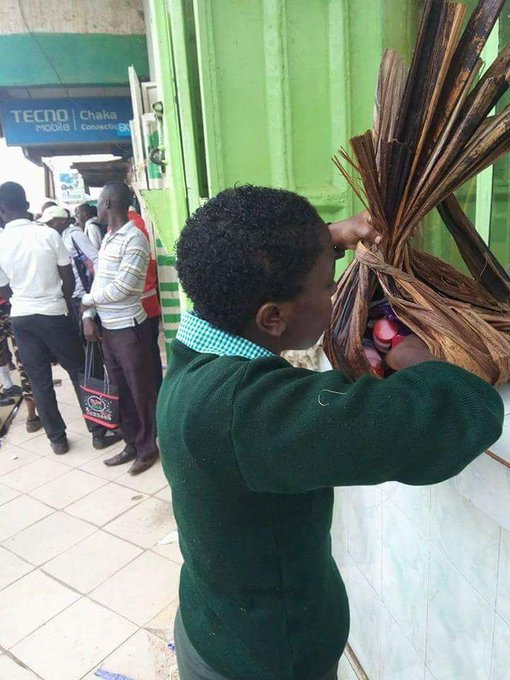
Elsewhere, restaurants in Nairobi are packaging food deliveries in spare shoe boxes and other containers. Photos of a school girl in eastern Kenya who improvised a bag made out of dried banana leaves circulated social media. Others tied string around their vegetables for easier transport. Residents have been asked to drop off their plastic bags at local grocery stores.
View image on Twitter


Saturday, February 25, 2017

Visa To Egypt For Tourists Has Increased More Than Double


Image result for Visa to Egypt


The Pyramids, the Temples of Luxor or the beaches of Sharm-El-Sheikh just got $35.00 more expensive, but still remain one of the biggest bargain in global travel and tourism.
Egypt is increasing fees for entry visas from $25 to $60 for incoming tourists starting 1 March, an airport official told Ahram Online on Friday.
The foreign ministry informed airport security officials about the fee increase earlier this week.
Egypt last pushed up the fee for its visa in April 2014, when it was increased from $15 to $25.
Several tour operators have said that the decision would cause problems for tourists who booked trips based on the old rate.
Some in the tourism sector say the decision should have been announced several months beforehand, expressing fears that the move might affect the country’s efforts to revive tourism, a pillar of the economy and a key source of foreign currency
Egypt has struggled to attract tourists pushed away by the political turmoil that followed the 2011 uprising.
The country’s revenues from tourism dropped to $3.4 billion in 2016, a 44.3 percent drop from the previous year, the Central Bank of Egypt said in January. The figure is a far cry from the $11 billion in revenues generated by the sector in 2010, when 14.7 million tourists visited the country.

Wednesday, January 4, 2017

Travelore News: South Africa Changes Travel Entry Requirements

Image result for South Africa changes travel entry requirements


The South African government just made it a bit easier to gather those documents needed when a minor is traveling to its country.
The South African Department of Home Affairs recently announced changes to South African entry requirement for minors born in the country who have a current South African passport.
According to Tim Clyde-Smith, South African Airway’s Country Manager for Australasia, people under 18 who are South African citizens and hold a valid passport will no longer require birth certificates which contain parental details to enter the country.
“This new arrangement, effective immediately, applies only to minors who have SA citizenship travelling from other countries (including Australia and New Zealand) to South Africa and who will not need the additional paperwork required until now,” Tim said.
“Those travelling and travel agents and partners should note that all other current arrangements for minors travelling remain in place and must be complied with in accordance with South African laws. If in doubt they should contact the South African High Commission in Canberra on 61 2 6272 7300 for further information,” Tim said.

Thursday, March 3, 2016

Curio – A Collection By Hilton Makes Its African Debut In Nigeria


- Nigeria is set to welcome The Legend Hotel in 2016, joining more than 76 Hilton Worldwide branded hotels now trading or under development across the continent -


Hilton Worldwide (NYSE:HLT) has reached an agreement with Quits Hospitality Ltd to open its first property under the Curio – A Collection by Hilton brand in Africa.  The Legend Hotel is expected to open in mid-2016 and will be located at Lagos Murtala Muhammed International Airport, Nigeria.

The Legend Hotel, which will be located within the airport boundaries, will feature 54 guest rooms, including eight suites.  Travellers will benefit from the hotel’s unrivalled proximity to the international airport terminal, as well as exclusive facilities for private jet and corporate jet passengers of ExecuJet – which will allow passengers same-building access to the arrivals and departures services of this private aviation company.

Launched in June 2014, the Curio collection is a global set of remarkable upscale and luxury hotels hand-picked for their unique character and personality; each one a part of the city they call home. By partnering with Hilton, these one-of-a-kind hotels benefit from the proven track record and quality synonymous with Hilton without redefining the individualistic spirit of the hotel.  Global destinations available to travellers now include more than 80 properties open or in various stages of development, including Germany, the U.S., Jamaica and Argentina.

“Curio is a great opportunity for investors looking to benefit from the performance advantage and smart innovations of Hilton, whilst retaining the individual character and identity of their hotel,” said, Patrick Fitzgibbon, senior vice president of development Europe, Middle East & Africa for Hilton Worldwide. “Our growth strategy across the continent continues at a fast pace, with more than fifty percent of our development pipeline currently under construction – opening up new destinations for travellers to Africa.”  

A new build property, The Legend Hotel will offer guests stylish interiors, and reflect the unique personality of Nigeria’s capital city, with the centre of Lagos located approximately 22 kilometres from the property.  Guests will be able to enjoy three upscale dining options, including VIP dining facilities and two bars. There will also be more than 158 square metres of events space, split across three meeting rooms.

Dianna Vaughan, global head, Curio – A Collection by Hilton, said, “Building on the success of bringing Curio to Europe, and with hotels soon to open in the Middle East, I am delighted that we are establishing a presence in Africa in 2016. I’m proud that this unique project in Nigeria will be the first of many in destinations across the continent as investors continue to respond positively to Curio.”

Sam Iwuajoku, director of Quits Hospitality and owner of the hotel, commented, “We are thrilled to be working with Hilton to open Africa’s first Curio hotel – enabling us to put our own unique stamp on the hotel, whilst benefiting from Hilton’s management expertise and global distribution. We look forward to unveiling the hotel, and welcoming guests in this exciting new airport project.”

As part of the Hilton Worldwide portfolio, Curio – A Collection by Hilton hotels participate in Hilton HHonors®, the 50 million member, award-winning guest loyalty program which is open to all guests and free to join. Hilton HHonors members always get the lowest price with Hilton’s Best Price Guarantee, along with HHonors Points, free Wi-Fi, access to digital check-in and Digital Key, and no hidden fees, only when they book directly through Hilton.

The Legend is located at Murtala Muhammed Airport Road, at Lagos Murtala Muhammed International Airport, Nigeria.  More information about Curio may be found at curio.com.  Media may access high-resolution images and more information by visiting news.curio.com.


About Curio – A Collection by Hilton
Curio – A Collection by Hilton™ (curio.com) is a global set of remarkable upscale and luxury hotels hand-picked for their unique character and personality; each one a part of the city they call home. Curio guests are passionate, independent-minded travelers seeking local and authentic experiences who value the added peace-of-mind that comes with the Hilton name and award-winning Hilton HHonors program. Curio joins a portfolio of world-class brands from Hilton Worldwide, a leading global hospitality company. Come discover the latest stories at news.curio.com, connect with us on FacebookInstagram and Twitter or inquire about development opportunities at hiltonworldwide.com/development.

Sunday, January 31, 2016

The Most And Least Loved Safari Tourists

Over 400 African safari operators participated in the largest survey of its kind to reveal the most and least loved safari tourists. The results are in and Americans are the clear winner.
 
SafariBookings.com, the largest online marketplace for African safari tours conducted this extensive survey. In similar surveys for other destinations, Americans are often one of the least favored tourists. But not in Africa. They love Americans. No less than 85% of the surveyed operators rated Americans as pleasant to very pleasant. They indicated Americans are friendly, have great humor, and tip generously.

Italians are the least favored safari tourists
Although operators appreciate clients from all nationalities, Italians were the least loved. More than 18% of operators found Italians to be annoying, or very annoying. They indicated Italians are ruder, seldom on time, and often completely ignore the guide's instructions. On the bright side, the survey also shows Italians are easy to please.

Brazilians are notorious latecomers and the Dutch are least likely to tip
The survey also included other stereotypes. Brazilians love life… and are the 2nd worst latecomers, after Italians. A stunning 45% of operators indicated Dutch to be the worst tippers. Of all other nationalities, only the French came close to them in the “poor tipping” department.

British are hard to please, Germans most punctual
Overall, British tourists did very well. Operators hold them in high regard. They said British are polite, on time, and pay attention to the guide's instructions. The only point of criticism was, according to 55% of operators, the British are most hard to please.  Germans are considered to be most punctual. Over 61% of operators indicated Germans are always on time. Regarding punctuality, British and Germans scored significantly better than other nationalities.

Native English speakers are more friendly and more fun
Surprising was that nationalities who have English as their native language scored much better than non-English nationalities. We were unable to explain exactly why, but we suspect that having English as the native language makes it easier to communicate with the tour guide.

Differences between operators in East and Southern Africa
Operators in East Africa are especially fond of American tourists. In Southern Africa, operators are more charmed by British and Canadian tourists. In South Africa they like their national tourists least, although they do think South Africans have a good laugh and are fun to be with.

Source: https://www.safaribookings.com/blog/328/