Showing posts with label New York City. Show all posts

Saturday, July 18, 2026

The Met Forced To Return $95 Million Of "Stolen" Artifacts To Origin Countries


The Metropolitan Museum of Art (The Met) in New York City is globally celebrated as a treasure trove of human history. However, its world-class collection is facing an unprecedented reckoning. Over the past several years—and escalating into a major wave of confiscations in June 2026—investigators have systematically forced the museum to return millions of dollars worth of ancient antiquities that were determined to be looted, stolen, or illegally trafficked from their countries of origin.


In total, the Manhattan District Attorney's Office has seized more than $95 million worth of artifacts from The Met since 2017. As empty display cases begin to quietly appear in the museum's hallowed halls, the situation has ignited a fierce debate about the ethics of museum collections, cultural heritage, and who truly owns world history.


🏺 What Is Happening at The Met?


The confiscations are part of a massive, ongoing probe led by the Manhattan District Attorney's Antiquities Trafficking Unit. Their goal is to identify and repatriate cultural items that were funneled into the global art market by international smuggling networks—often decades ago—before ultimately landing in the collections of private buyers and major institutions like The Met.


The scale of the issue traces back to the mid-20th century. During the 1960s and 70s, under an aggressive acquisition program meant to rival the British Museum and the Louvre, The Met rapidly expanded its antiquities collection. Unfortunately, the provenance (the documented history of ownership) for many of these items was murky at best, relying on dealers who were later linked to the illicit antiquities trade.


🔍 The Key Artifacts Returned


The $95 million figure encompasses hundreds of items returned to various countries around the world. The most recent seizures in June 2026 highlighted just how valuable and historically significant these pieces are. Some of the most notable recent repatriations include:


  • From Turkey: A 2,000-year-old bronze statuette of Hermes (valued at roughly $500,000).
  • From Greece: A 3,700-year-old terracotta beak-spouted jug and an ancient marble head.
  • From Egypt: An ancient golden headpiece adorned with ram heads, following the earlier high-profile return of the famous gold Coffin of Nedjemankh (which was originally purchased by the museum using falsified export papers).
  • From Cambodia & Thailand: Dozens of pieces, including 10th-century sculptures and pre-Angkorian sandstone lintels, all tied to the disgraced art dealer Douglas Latchford.
  • From Italy: A marble head of Athena and ancient Greek vases valued in the tens of millions of dollars.


⚖️ The Museum vs. The Prosecutors


Publicly, The Met has characterized the process as cooperative. Lucian Simmons, the museum's head of provenance research, has stated that The Met has no interest in holding onto stolen cultural property and views the District Attorney’s office as a vital partner in unlocking information that is otherwise inaccessible to museum researchers.


However, investigators have taken a sharper tone. Matthew Bogdanos, head of the Antiquities Trafficking Unit, has publicly questioned why the DA’s office is doing the heavy lifting of investigating the museum's collection instead of the museum policing itself. The recurring nature of the seizures—which the DA counts at nearly 350 items compared to the museum's internal count of around 200—suggests that this issue is far from resolved.


🌍 Why This Matters to You


If you love history, art, and travel, this wave of repatriations fundamentally shifts the museum experience. On one hand, returning these artifacts rights historical wrongs and restores cultural heritage to the communities that actually created them. It acts as a powerful deterrent against the modern looting of archaeological sites.


On the other hand, for global museum-goers, the removal of key artifacts alters how we experience world history under one roof. The sprawling, dense exhibits of the past are becoming more fragmented. Yet, this might also provide a beautiful excuse to travel to the countries of origin to see these incredible pieces in the context of their true ancestral homes.


The era of unquestioning trust in major museum collections is officially over. As investigations continue, we can expect to see more blank spaces on the walls of our favorite museums—and a much needed, honest conversation about how those walls were decorated in the first place.

Wednesday, July 8, 2026

The Monumental Expansion Of The New Museum In Manhattan

Since its founding in 1977 by Marcia Tucker, The New Museum of Contemporary Art has proudly stood as Manhattan’s only museum dedicated exclusively to contemporary art. Strikingly anchored in the Bowery, the museum has always championed "new art and new ideas."

Now, the institution is poised to radically redefine its presence on the Lower East Side.

The museum is currently undergoing a massive, highly anticipated physical expansion. Designed by the visionary architectural firm OMA (Office for Metropolitan Architecture), led by partners Shohei Shigematsu and Rem Koolhaas, this project will double the museum’s footprint, dramatically increasing its ability to showcase boundary-pushing art and engage with the local community.

Expanding the Stack: The Architectural Vision

In 2007, The New Museum made waves when it opened its iconic, seven-story building designed by the Japanese firm SANAA. Resembling a stacked cluster of shifted metallic boxes, it became an instant architectural landmark.

Instead of trying to mimic or overshadow SANAA’s masterpiece, OMA’s new design acts as a brilliant, complementary companion.

Replacing the Annex: The expansion replaces the museum's adjacent property at 231 Bowery (a former restaurant supply building used for years as additional project space).

The Angular Companion: OMA’s new structure rises as an angular, glass-and-mesh companion building. By utilizing a faceted, translucent facade, it mirrors the metallic, light-catching quality of the SANAA building while offering open, inviting views from the street level.

Seamless Connection: Internally, the floors of both buildings will be seamlessly integrated, allowing visitors to fluidly walk between the existing galleries and the new spaces.

What the Expansion Brings to the Bowery

The OMA-designed expansion injects an additional 60,000 square feet of space into the institution. This isn’t just about making the museum bigger; it’s about making it vastly more functional and accessible.

1. Expanded Gallery Space

The New Museum has historically been limited by its vertical, compact galleries, which often meant taking entire floors offline during exhibition rotations. The new wing adds three floors of world-class gallery space, allowing the museum to host major, large-scale exhibitions alongside intimate solo shows simultaneously.

2. The New Home of NEW INC

The expansion will provide a permanent, custom-tailored home for NEW INC, the museum's groundbreaking cultural incubator. Founded in 2014, NEW INC brings together artists, designers, and tech futurists to collaborate on interdisciplinary projects. The new facilities will feature advanced digital studios, co-working spaces, and tech labs.

3. Community and Education Hubs

A dedicated floor will be carved out for education, community programming, and public workshops. This ensures that neighborhood residents, local students, and visiting artists have a shared space to interact directly with contemporary creative practices.

4. Public Amenities and Improved Circulation

To alleviate the famously long elevator lines of the original building, the expansion introduces a prominent, highly visible atrium staircase. The ground floor will also see an expanded lobby, a larger bookstore, and a revitalized public café.

A New Era for Contemporary Art

The New Museum’s expansion represents a fearless commitment to the future of the Lower East Side and the global contemporary art scene. By doubling its footprint, the museum ensures it can continue to take risks on underrecognized artists, support tech-forward creative industries, and welcome an ever-growing community of art lovers.

As the scaffolding begins to come down, the new OMA building stands as a testament to the fact that even as Manhattan evolves, the spirit of experimental, radical art remains firmly rooted on the Bowery.

Tuesday, July 7, 2026

How 2 East Coast Cities Surpass Most Of Europe In New Ranking Of Walkability


The United States isn't exactly famous for its pedestrian-friendly cities. Thanks to decades of car-centric urban planning, the American stereotype usually involves sprawling highways and massive parking lots. But according to new 2026 global walkability rankings, two major East Coast hubs are flipping that narrative entirely.


In a surprising twist, New York City and Philadelphia have officially surpassed many of Europe's iconic capitals in recent walkability indices, including the latest 2026 Time Out global local survey and updated Walk Score data. Here is a closer look at how these two East Coast powerhouses are out-strolling the competition.


📊 The 2026 Walkability Breakdown


When you think of walking, cities like Paris, Rome, or Amsterdam naturally come to mind. Yet, New York City recently secured the #3 spot globally in Time Out's index—beating out European heavyweights like Copenhagen, Oslo, Stockholm, and Paris. Meanwhile, Philadelphia continues to dominate North American walkability polls, recently snagging the top spot as the "Most Walkable City to Visit" and cementing the Northeast as a walker's paradise.


Rank / Recognition City Key Pedestrian Feature
Global Top 3 New York City, USA Unmatched density and grid system predictability.
Global Top 5 Copenhagen, Denmark Seamless integration of walking and bike lanes.
Global Top 10 Paris, France "15-minute city" urban planning initiatives.
Top US Pick Philadelphia, USA Compact 26-block Center City and historic pathways.
Global Top 15 Amsterdam, Netherlands Canal pathways, though largely dominated by cyclists.


🗽 New York City: The Grid That Never Sleeps


It might be loud, chaotic, and densely packed, but New York City's foundation is a walker's dream. With an astronomical Walk Score, NYC's success comes down to brilliant urban geometry.


  • The Grid System: Manhattan's 19th-century grid layout means getting lost is surprisingly difficult. Avenues run north to south, and streets run east to west, creating straightforward, predictable routes.
  • Extreme Density: You rarely need to walk more than a few blocks to find a grocery store, a pharmacy, a subway station, or a world-class restaurant.
  • Pedestrian Takeovers: Over the last few years, NYC has aggressively expanded car-free zones, from the permanent pedestrian plazas in Times Square to the dazzling pathways across the Brooklyn Bridge connecting to highly walkable neighborhoods like DUMBO and Williamsburg.


🔔 Philadelphia: The Classic American Walking City


While New York relies on density, Philadelphia wins on human scale and historic charm. Repeatedly voted the "Most Walkable City to Visit" by USA TODAY readers, Philly proves that you don't need a massive footprint to deliver a world-class pedestrian experience.


  • Compact Center City: Philadelphia's downtown corridor spans just 26 blocks from the Delaware River to the Schuylkill River (about 2.4 miles). You can comfortably walk from one end of Center City to the other in less than an hour.
  • William Penn’s Squares: Designed in the 17th century, the city's original layout features five lush public squares that act as natural gathering spaces and rest stops for pedestrians.
  • Historic & Cultural Trails: Whether you are strolling down Elfreth's Alley (the nation's oldest continuously inhabited residential street), exploring the Italian Market, or walking from the Liberty Bell to the steps of the Philadelphia Museum of Art, the city’s major sites are seamlessly linked by pedestrian-friendly streets.


🌍 Why Did Europe Slip?


It isn't that Europe is becoming less walkable. Cities like Edinburgh (which ranked #2 globally in 2026), Oslo, and Stockholm remain undisputed champions of pedestrian living. However, several factors gave NYC and Philly the edge over other European giants in recent locals' surveys:


First, Europe's older, medieval infrastructure—while charming—often involves uneven cobblestones, steep inclines, and extremely narrow sidewalks that can bottleneck in tourist-heavy zones. Second, cities like Amsterdam and Copenhagen are heavily prioritized for cyclists. If you are strictly traveling on two feet, dodging high-speed commuter bikes can actually make walking slightly more stressful than navigating a wide, dedicated American sidewalk.


Ultimately, while the U.S. still struggles with walkability on a national scale, New York and Philadelphia prove that the East Coast knows exactly how to put its best foot forward.

Monday, May 18, 2026

Travelore News: The Met Absorbs the Neue Galerie in Historic $1.5 Billion Deal

In a stunning announcement that has sent shockwaves through the international art world, The Metropolitan Museum of Art and the Neue Galerie New York have unveiled plans for a landmark merger.

Set to take effect in 2028, this monumental agreement will combine the resources of America’s largest art museum with the "jewel box" collection of early 20th-century German and Austrian masterpieces located just down the street on Manhattan's Museum Mile.

The deal—valued at an estimated $1.5 billion—stands as one of the most significant cultural acquisitions and philanthropic gifts in modern museum history.

Future-Proofing a Legacy in Perpetuity

The rare institutional merger was brokered by billionaire cosmetics heir and prominent art collector Ronald S. Lauder, who co-founded the Neue Galerie in 2001 alongside the late art dealer Serge Sabarsky.

Timed to align with the Neue Galerie’s upcoming 25th anniversary, Lauder, 82, framed the decision as a vital step to preserve the museum's carefully curated vision long into the future.

"The merger with The Met in 2028 will preserve and strengthen the Neue Galerie's legacy in perpetuity," Lauder noted in an official statement.

Met Director and CEO Max Hollein, who has served as a trustee for the Neue Galerie for over 20 years, echoed the sentiment, calling the merger "one of the greatest and biggest" gifts ever received by a museum. The acquisition will immediately bridge major avant-garde gaps in the Met's encyclopedic collection.

The Massive Endowment and the "Mona Lisa" of the Collection

The historic agreement ensures that the Neue Galerie won't simply be dissolved into the massive, two-million-square-foot Met flagship. Instead, the institution will maintain its unique, intimate identity.

Key details of the arrangement include:

The Name Change: Upon completion, the museum's historic home will be formally renamed The Met Ronald S. Lauder Neue Galerie (or "The Met Neue").

A $200 Million Endowment: Lauder and his daughter, Aerin Lauder Zinterhofer, alongside more than two dozen Met trustees, are establishing a massive endowment fund dedicated to the long-term care, building preservation, and operating costs of the institution.

Over 600 Masterpieces Transferred: The Met will assume ownership of the Neue Galerie's stellar permanent holdings, which boast iconic works by Egon Schiele, Max Beckmann, and Oskar Kokoschka.

13 Personal Additions: Lauder and his daughter are donating 13 additional paintings from their private collections, including Gustav Klimt’s large-scale portrait Die Tänzerin (The Dancer) and Ernst Ludwig Kirchner's Die Russische Tänzerin Mela.

Most importantly for art lovers, the crown jewel of the collection—Gustav Klimt’s gold-flecked "Portrait of Adele Bloch-Bauer I" (The Woman in Gold)—is legally bound to stay put. Purchased by Lauder in 2006 for a then-record $135 million, the masterpiece has strict stipulations requiring it to remain on permanent display inside the 86th Street building. Lauder has famously referred to the painting as the Neue Galerie's "Mona Lisa.

"What This Means for Museum Visitors

If you are a frequent visitor to the Upper East Side's cultural hubs, you can expect the distinct, transportive atmosphere of the Neue Galerie to remain entirely intact.The six-story Beaux-Arts mansion (the William Starr Miller House, designed by the iconic architects Carrère & Hastings) will keep its operational staff, its specialized design and book shops, and the incredibly popular, Viennese-style Café Sabarsky.

While the formal merger won't finalize until 2028, local museum-goers should take note of a temporary disruption on the horizon. The Neue Galerie is currently scheduled to close on May 27, 2026, for previously planned infrastructure and facility renovations. It is slated to reopen to the public this autumn with a massive exhibition celebrating its 25th anniversary.

By bringing the Neue Galerie under the Met's grand umbrella alongside historic outposts like The Met Cloisters, New York City ensures that this irreplaceable sanctuary of Weimar-era and fin-de-siècle art remains accessible to the public for generations to come.

Sunday, September 25, 2016

NYC Off-Broadway Week Begins Monday, September 26th With Two-For-One Tickets

NYC OFF-BROADWAY WEEK BEGINS MONDAY, SEPTEMBER 26 WITH TWO-FOR-ONE TICKETS

Tickets available for more than 30 Off-Broadway Shows for performances from September 26 through October 9

 NYC & Company, New York City’s official destination marketing organization, is offering theatregoers discounted tickets to more than 30 Off-Broadway shows with two-for-one tickets for NYC Off-Broadway Week. Tickets are currently on sale and are available at nycgo.com/offbroadwayweek. Tickets apply for performances from September 26 – October 9.
Shows participating in NYC Off-Broadway Week:*90210! The Musical!

·         All The Ways To Say I        Love You
·         A Taste of Honey
·         Aubergine
·         Avenue Q
·         Black Angels Over Tuskegee
·         Blue Man Group
·         Cagney The Musical
·         Daddy Issues
·         Drunk Shakespeare
·         Frankenstein, A New         Musical
·         Gazillion Bubble Show
·         Hershey Felder as             Leonard Bernstein in   "Maestro"
·         I Like It Like That - A          Musical
·         La Canción - El Musical
·         Love, Love, Love
·         Marie and Rossetta
·         My Big Gay Italian Midlife   Crisis
·         Not That Jewish
·         One Funny Mother
·         Perfect Crime
·         Public Enemy
·         Shear Madness
·         Sistas: the Musical
·         Small Mouth Sounds
·         STOMP
·         That Physics Show
·         The Fantasticks
·         The Imbible: A Spirited      History of Drinking
·         The Lion, the Witch and     the Wardrobe
·         The Roads to Home
·         Verso
·         Vietgone
·         White Rabbit Red Rabbit


*Subject to availability. Blackout dates may apply.

Tuesday, December 29, 2015

11 New York Secrets: The Less Well Known must See Sights Of New York City!

New York secret sights ©thewholeworldisaplayground

1 | Berlin Wall, Manhattan

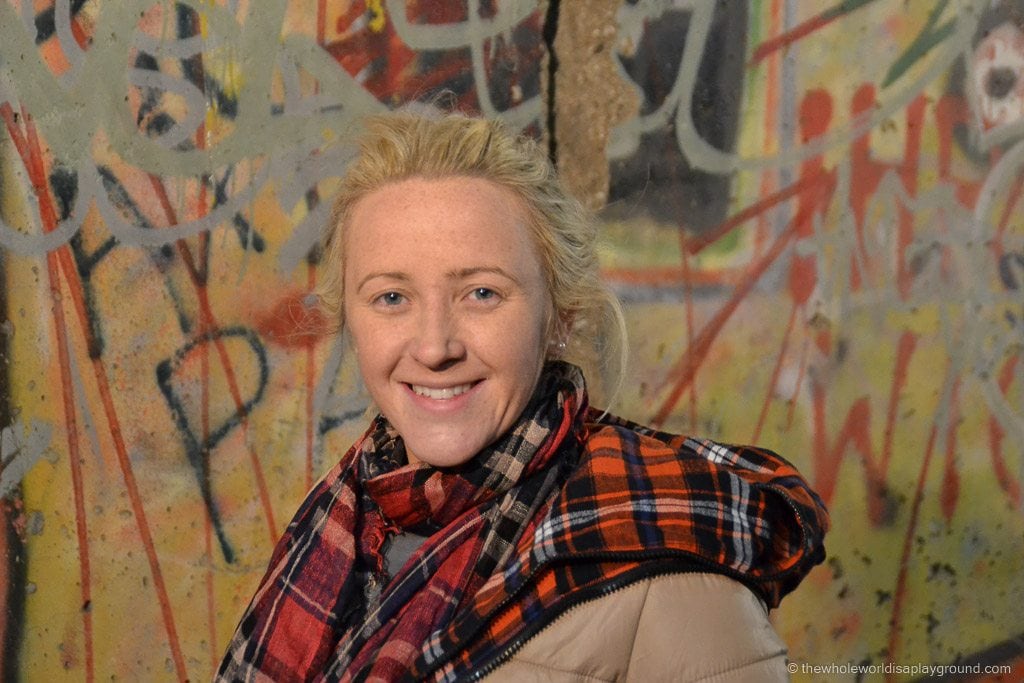
We were definitely surprised when we stumbled across remnants of the Berlin Wall in the middle of a Manhattan courtyard! There are pieces of the Berlin Wall scattered all over the world and New York has secured its own piece of German history with two sections of the Wall currently on public display: one at Battery Park and the second in the UN plaza. It was fascinating to see sections of the wall on display as public art and a poignant reminder of such a monumental period of history.
New York secret sights ©thewholeworldisaplayground
The Berlin Wall, 53rd between 5th and Madison (this section is currently under restoration and not on public display)

2 | Life Underground, New York subway

The New York subway is never dull but make sure to keep your eyes peeled for the whimsical bronze statues which make up ‘Life Underground’, a series of cartoonish people and animal sculptures illustrating the impossibility of understanding life in New York.  The statues depict business men, construction workers and even a sewer alligator dressed in a shirt and tie. Their surprise appearance is sure to brighten up any trip underground!
New York secret sights ©thewholeworldisaplayground

Life Underground, 14th Street and 8th Avenue subway station

3 | A birds eye view of Times Square!

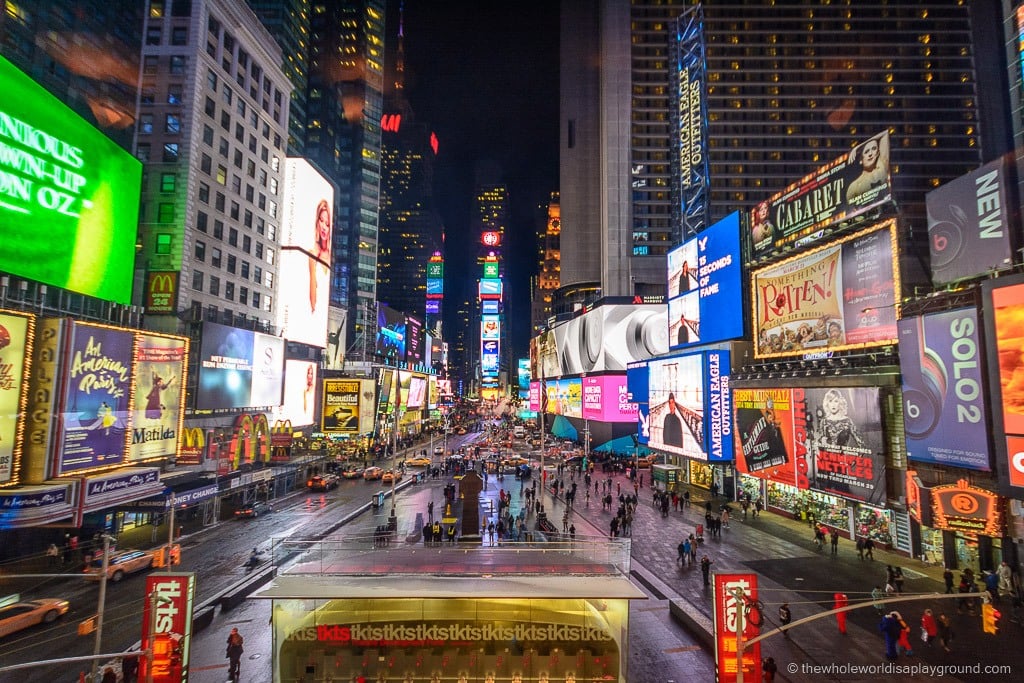
There’s nothing secret about Times Square but these panoramic views of the crossroads of the world have to be seen to be believed! Above the crowds and craziness of Times Square, the hidden cocktail bars (our favourite is the R Lounge in the Renaissance Hotel) offer incredible views of the bright lights and yellow cabs the city is so famous for!New York secret sights ©thewholeworldisaplayground
The best view of Times Square! R Lounge, Renaissance Hotel, 48th and 7th

4 | Alice and Wonderland, Central Park

Dreams are made in New York city and the Alice in Wonderland statue tucked away in Central Park perfectly indulges childhood dreams! The Mad Hatter, the March Hare, the Cheshire Cat, the Dormouse and Alice are all in attendance at this tea party and we were delighted to join as a guest!
New York secret sights ©thewholeworldisaplayground
Alice in Wonderland statue, East 74th Street, Central Park

5 | The Morgan Library

The Morgan Library is one of the most beautiful places we’ve come across in New York City. It began as the private library of financier Pierpont Morgan and his son, J.P. Morgan, transformed it into a public institution. The stunning library is a book lovers dream and the personal study is incredible.
The library also houses temporary exhibitions and we were lucky to chance upon Lincoln Speaks, an exhibition illustrating how Lincoln’s words changed the course of history. Our highlight was Walt Whitman’s handwritten copy of ‘O Captain, My Captain’, his mourning poem written in honour of Abraham Lincoln. And no, I can’t stop reciting it either!
New York secret sights ©thewholeworldisaplayground
The library:
New York secret sights ©thewholeworldisaplayground
A piece from the collection:

The Morgan Library, 37th and Madison

6 | Irish Hunger Memorial

Under the beautiful backdrop of Lady Liberty and One World Trade Center, the Irish Hunger memorial is a reminder of both the famine and the fact that hunger and poverty continue to exist today. We were stunned by its elegance from the moment we walked through the entry tunnel filled with poignant quotes and the journey through the memorial is serene and peaceful.
Over 1 million people died as a result of the Famine in Ireland between 1845 and 1852 and around 1 million more emigrated. The memorial contains stones from each of the Irish counties and represents a rural Irish landscape with an abandoned stone cottage and fallow potato fields.
New York secret sights ©thewholeworldisaplayground
The abandoned cottage:
New York secret sights ©thewholeworldisaplayground
County stones:
Irish Hunger Memorial, Vesey Street and North End Avenue)

7 | Whispering Galleries, Grand Central

Separated by a stream of commuters I was a little skeptical as we stood in diagonally opposite corners of the Grand Central concourse attempting to whisper sweet nothings to each other across the hallway. That was until I heard the husband’s voice, clear as day, apparently travelling through the ceiling. It’s all down to the sound waves clinging to the walls but, to us, it was New York magic! It’s the simple things in life!
New York secret sights ©thewholeworldisaplayground
Photos like this are an added Grand Central bonus!
New York secret sights ©thewholeworldisaplayground
Whispering Galleries, in front of the Oyster Bar, Grand Central

8 | Pomander Walk

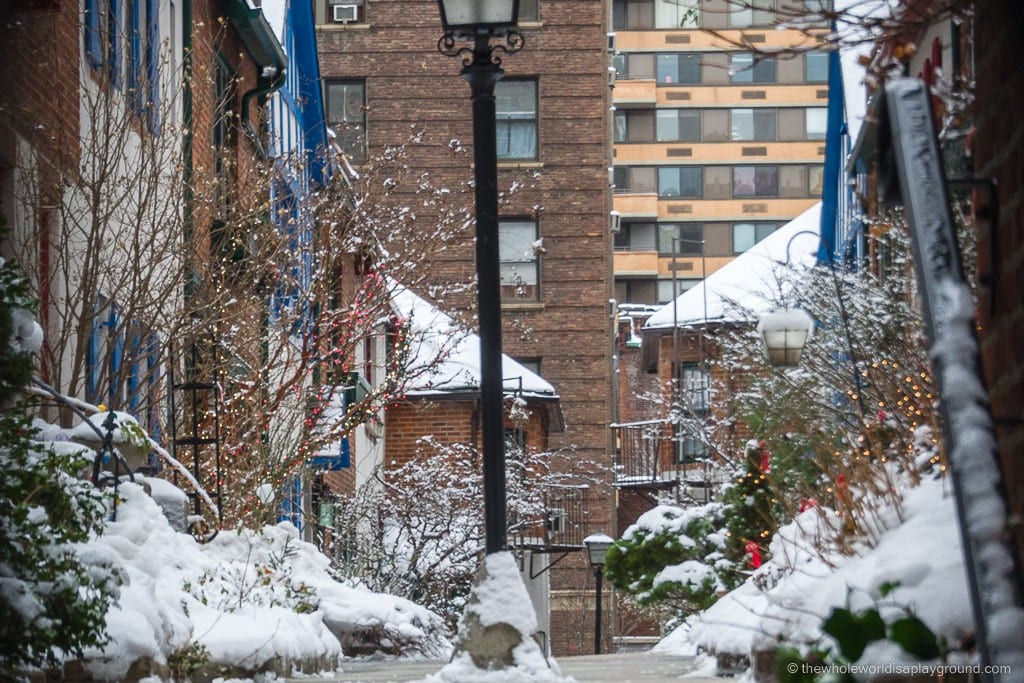
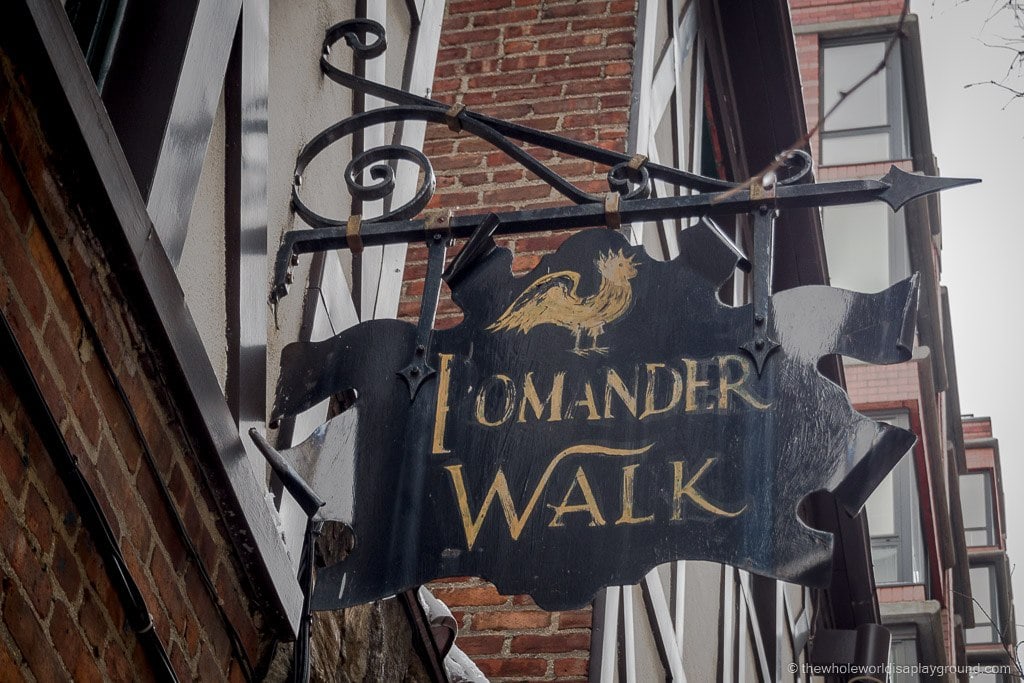
As we caught sight of Pomander Walk on the Upper West Side it felt like we’d stepped onto an old England street. The colourful Tudor style buildings seem like a miniature movie set in contrast to the high rises that surround the tiny complex. It’s now a National Landmark and Pomander Walk is locked and gated so a view from the sidewalk may be the only chance of catching a glimpse these days!
New York secret sights ©thewholeworldisaplayground
The entrance to Pomander Walk:New York secret sights ©thewholeworldisaplayground
Pomander Walk, West 96th between Broadway and West End Avenue

9 | Roosevelt Island Aerial Tramway

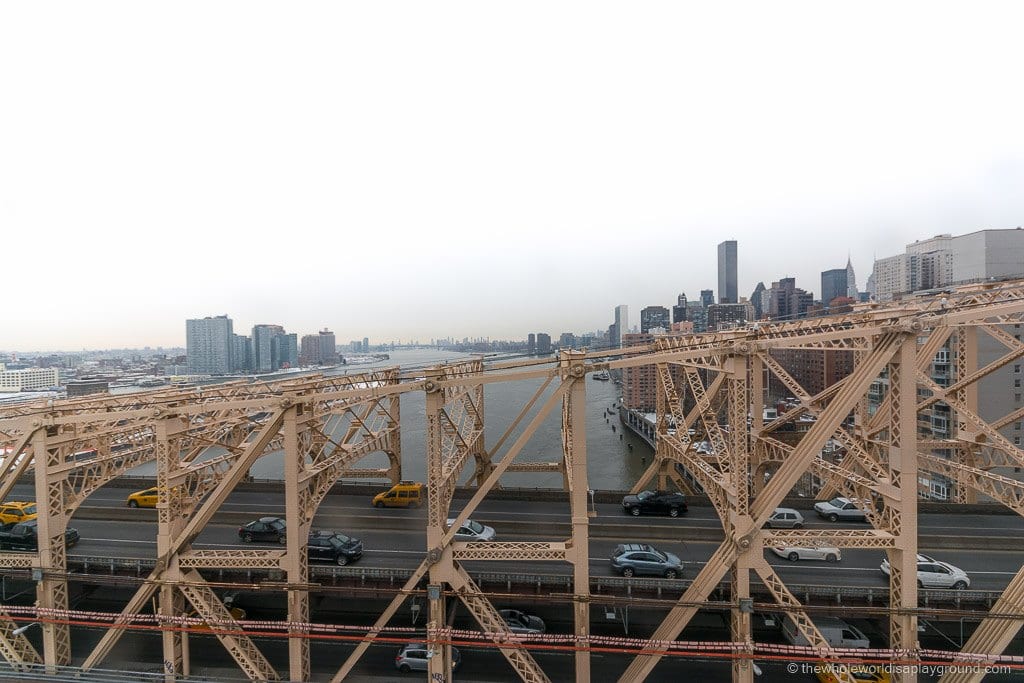
Beautiful views of Manhattan and the East River together with the novelty of a cable car ride and all for a single swipe of  a Metro Card: the Roosevelt Island tram ride is a win win trip in New York City!
New York secret sights ©thewholeworldisaplayground
East River views:New York secret sights ©thewholeworldisaplayground
Roosevelt Island Tram, 59th and 2nd

10 | A waterfall and a 1/2 avenue!

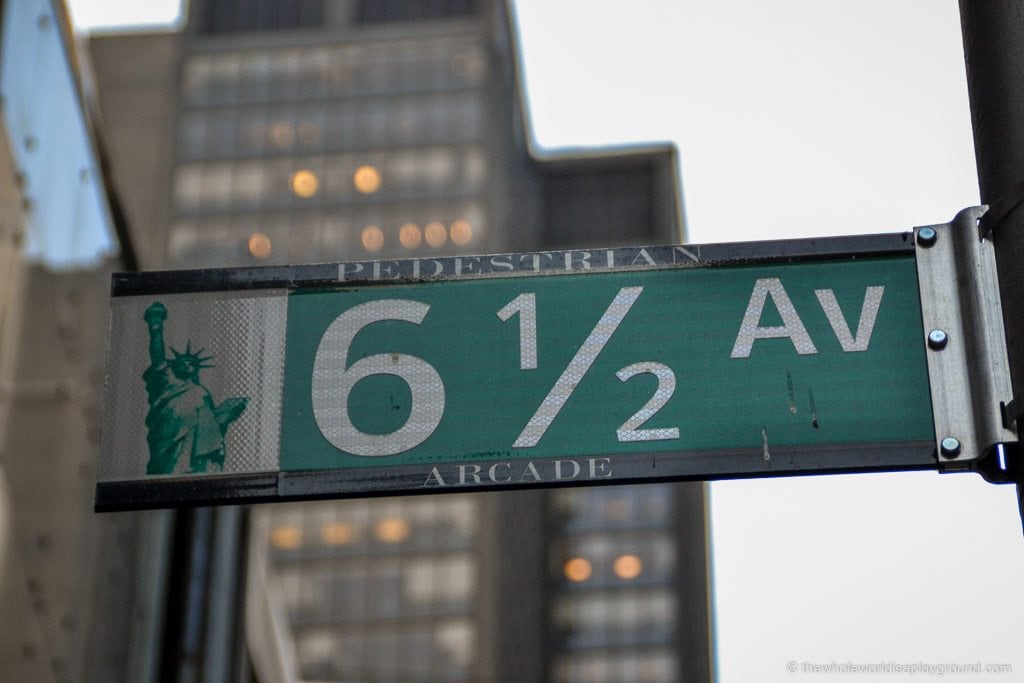
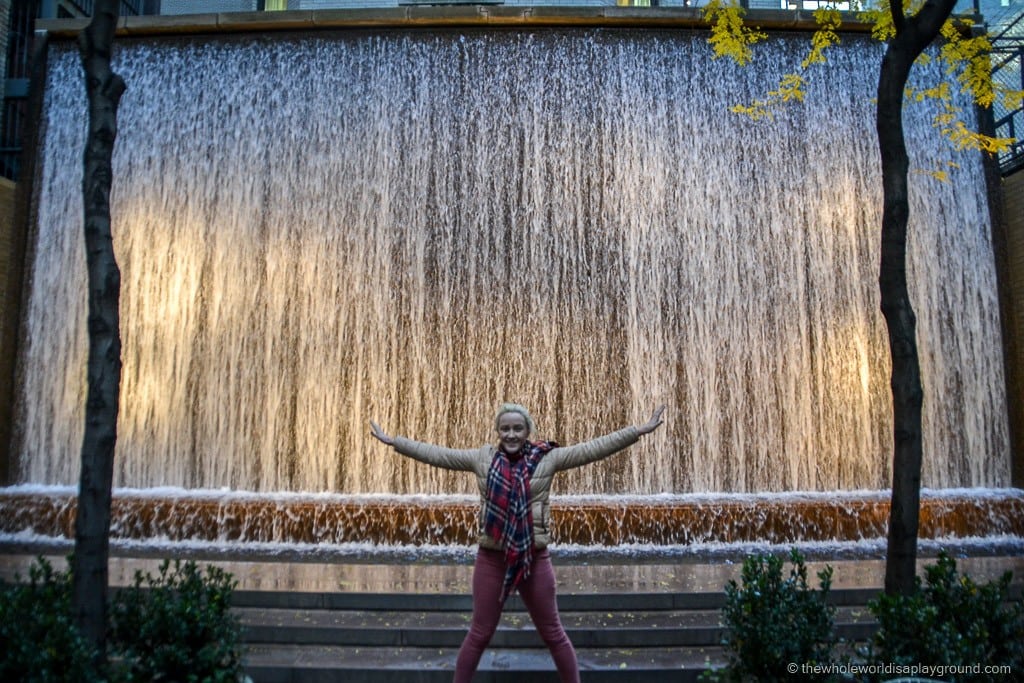
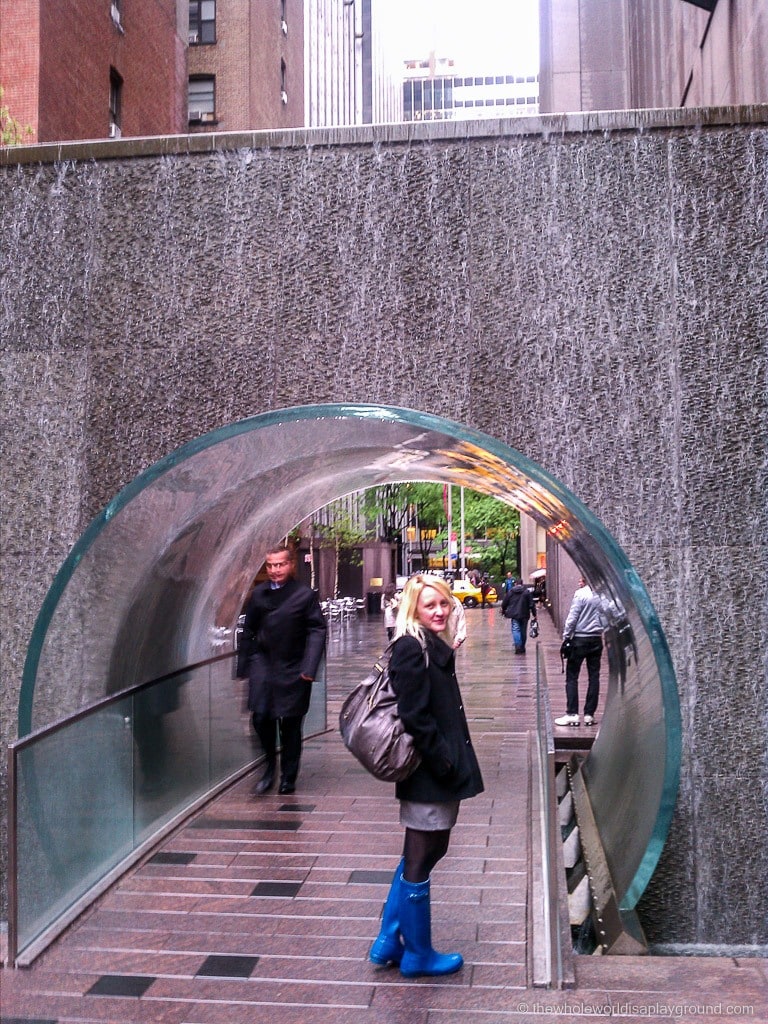
Every New York office worker knows the secret shortcut down 6 1/2 avenue from 51st to 57th street, a pedestrianized escape from the craziness of midtown Manhattan. Paley Park, with its 20 foot waterfall, is situated close by as is the glass waterfall tunnel. Who would have thought Midtown Manhattan could double up as a tropical oasis?!
New York secret sights ©thewholeworldisaplayground
Paley Park, 53rd and 5th
New York secret sights ©thewholeworldisaplayground
Waterfall Tunnel, 48th between 6th and 7th:
New York secret sights ©thewholeworldisaplayground

11 | Love quotes in Central Park 

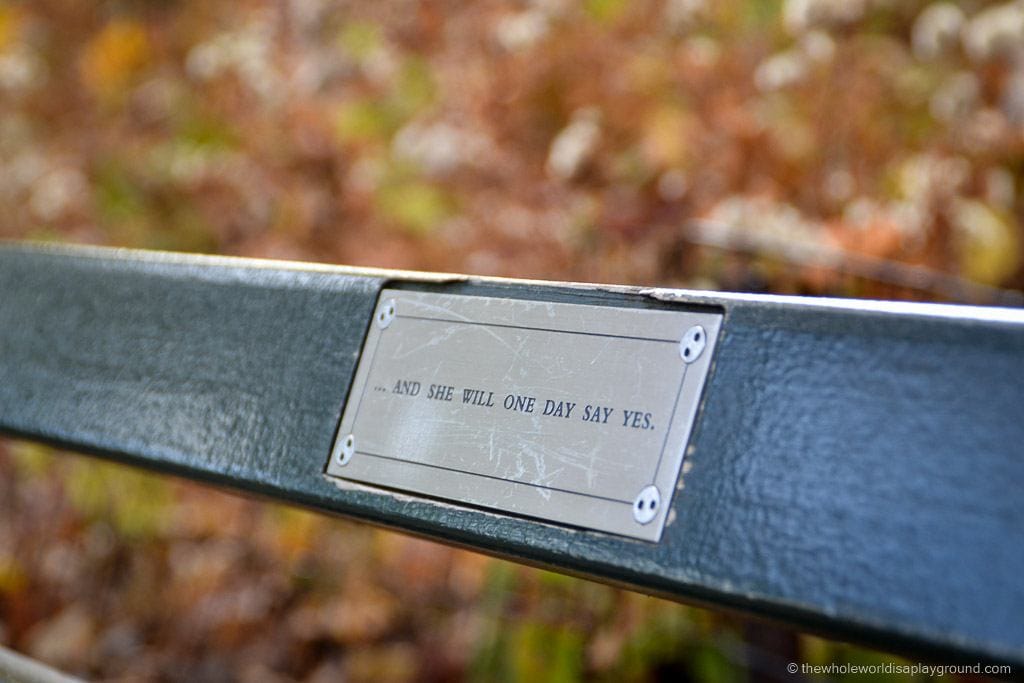
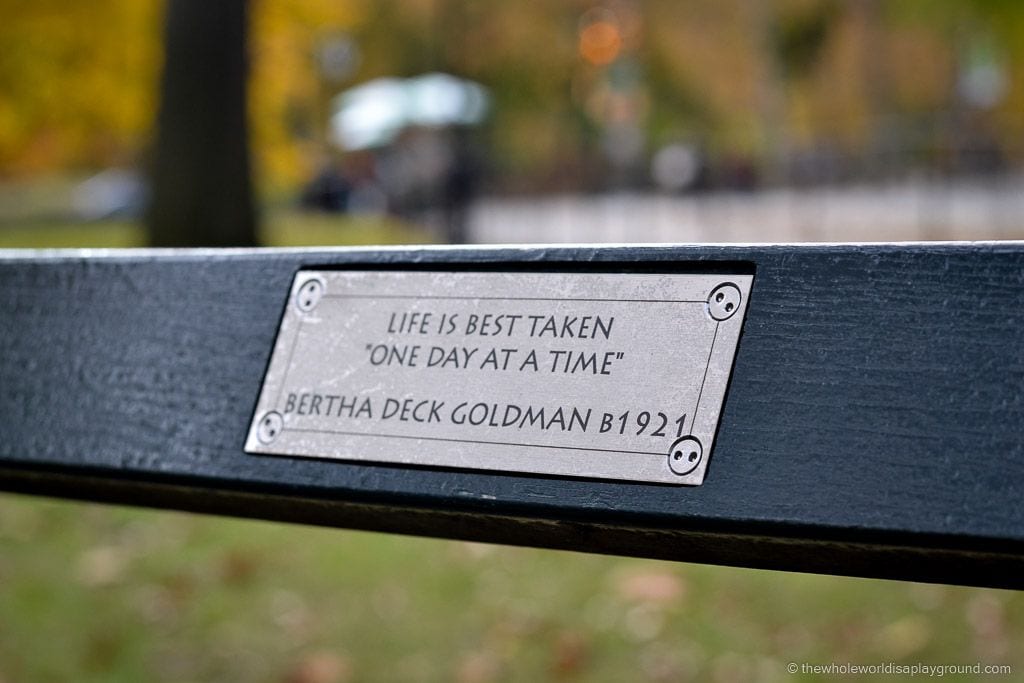
On a morning run in Central Park we stopped to tie our laces and noticed a plaque inscribed on the bench: ‘this is a place to dream things that never were – and ask why not’. And so began our love affair with the Central Park benches! Around 1/3 of the park benches have been ‘adopted’ and inscribed with a personal quote. Let the search begin for your favourite!
New York secret sights ©thewholeworldisaplayground
New York secret sights ©thewholeworldisaplaygroundWe love!New York secret sights ©thewholeworldisaplayground

Located throughout Central Park
By   , http://www.thewholeworldisaplayground.com/

Monday, August 31, 2015

Westin Hotels & Resorts Brings Fans Behind-The-Scenes Of US Open

Westin Hotels & Resorts brings fans behind-the-scenes of US Open
Inspired by the electric atmosphere in New York City during one of tennis’ premier events, Westin Hotels & Resorts, the official hotel sponsor of the US Open since 2010, announced today two new ways for both guests and tennis enthusiasts to experience the tournament.
GO BEHIND-THE-COURTS
As excitement builds for the finals of the season-ending Grand Slam® tournament, Westin Hotels will take fans on a journey behind-the-scenes of the US Open with their inaugural Beyond the Baseline live show. Hosted by well-known sideline reporter Julie Alexandria and Olympic silver medalist, Tim Morehouse, each show will feature unique segments with tennis’ elite players, celebrity patrons and dedicated fans, giving viewers an inside look at what goes on at the major competition.
Planned segments include:
• On The Road Presented By Westin: A look at how players manage their non-stop travel schedules without sacrificing their fitness and mental wellbeing.
• The Heat Index: A daily pulse check on what’s hot socially at the US Open, allowing audience members to participate in daily trivia polls, hot topics and more by following along with #beyondbaseline.
• Best Of The Blue Carpet: Everything viewers need to know about the celebrity world at the US Open, including interviews from the Blue Carpet, live shots from the stands and on-set cameos.
• All-Access Pass: The ultimate behind-the-scenes tour of the US Open’s inner-workings, taking the audience through the grounds, from the luxury suites and the player’s lounge, to the kitchens, all 17 courts, and more.
Spectators who make it out to the USTA Billie Jean King National Tennis Center during the two week tournament can stop by the Baseline Stage located outside the East Side of Arthur Ashe Stadium next to the US Open Club each morning and evening to view a live taping. Beyond the Baseline will air every day during the tournament at 7pm EST on usopen.org/beyondthebaseline.
TWO WEEKS OF TENNIS LOVE
As the action heats up on the court, tennis fans can cool down at The Westin New York at Times Square without missing a minute of the primetime excitement. To get guests in the game day spirit, Westin will present Match Point Hour an evening match viewing series featuring experiential activities so that fans can feel like they’re a part of the tournament action without leaving Manhattan.
Starting Monday, August 31 through Thursday, September 10, from 6:30-9:00pm every night in Bar 10, guests and locals alike will be able to catch a live viewing of Beyond the Baseline and the evening matches. Spectators can test out their swing skills with a complimentary Wii™ tennis station, sip on fan-favorite Grey Goose® Honey Deuce, the signature cocktail of the US Open since 2007, as well as fuel up between plays with a tennis-inspired SuperFoodsRX® bar menu. On Thursday, September 3 through Saturday, September 5, Westin will also offer a special Tennis Gear Tune Up Station available for anyone interested in stepping up their game. Patrons can have their tennis gear evaluated, racquets restrung and receive a professional swing analysis from a tennis pro.
"All of the activities that Westin is offering during the US Open are designed to enhance the viewing experience and transport at-home spectators from their seats to the stadium,” said Bob Jacobs, Vice President of Brand Management, North America, Westin and Sheraton. "Beyond the Baseline and Match Point Hour bring our guests closer to one of the sports’ most exciting tournaments, providing an opportunity for fans to discover new and playful facts about their favorite players, view matches in a beautiful, upscale environment and find inspiration to get moving on the courts themselves."
The Westin brand’s tennis offerings extend beyond the US Open to Westin Resort properties, where guests can move well on beautifully manicured courts during daytime and early evening hours. Players of all levels can enjoy match play, casual games, or lessons with the seasoned Westin pros.